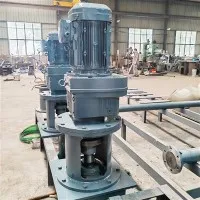
Hey there! As a supplier of agitators, I've seen firsthand how crucial it is for agitators to plan their actions effectively. In this blog post, I'm gonna share some insights into how agitators go about planning and how our range of products can support those plans.
Understanding the Goals
First things first, agitators need to have a clear understanding of what they want to achieve. Whether it's mixing different substances in a chemical plant, keeping sewage flowing smoothly in a wastewater treatment facility, or ensuring proper agitation in a food processing plant, the end - goal drives the entire planning process.
For example, in a chemical mixing scenario, the agitator might need to ensure a homogeneous mixture of reactants to optimize a chemical reaction. In a sewage treatment plant, the goal could be to prevent solids from settling at the bottom of the tanks. These goals are like the North Star, guiding every decision that follows.
Assessing the Environment
Once the goals are set, agitators need to assess the environment where they'll be operating. This includes factors like the size and shape of the tank or vessel, the properties of the substances being agitated (such as viscosity, density, and temperature), and any external factors that could affect the agitation process.
If the tank is large and deep, a different type of agitator might be required compared to a small, shallow one. High - viscosity substances need more powerful agitation to achieve proper mixing. And if the environment is prone to high temperatures or corrosive elements, the agitator needs to be made of materials that can withstand these conditions.
That's where our products come in. We offer a wide range of agitators suitable for various environments. For instance, our Stainless Steel Sewage Mixer is specifically designed to handle the harsh conditions in sewage treatment plants. The stainless - steel construction makes it resistant to corrosion, ensuring a long service life even in the presence of aggressive chemicals in sewage.
Selecting the Right Agitator Type
Based on the goals and the environmental assessment, agitators need to choose the right type of agitator. There are several types available, each with its own advantages and suitable applications.
- Side Entry Agitators: These are great for large tanks where installing a top - entry agitator might not be practical. Side entry agitators are mounted on the side of the tank and can create a strong horizontal flow, which is useful for applications like blending large volumes of liquids. Our Side Entry Agitator is designed with high - efficiency impellers that can provide effective mixing even in large - scale operations.
- Turbine Agitators: Turbine agitators are known for their high - speed mixing capabilities. They are often used in applications where rapid and intense mixing is required, such as in chemical reactions or in the production of emulsions. Our Turbine Agitator comes in different configurations to meet various mixing requirements, with adjustable impeller speeds to control the mixing intensity.
Determining the Agitation Parameters
After selecting the agitator type, agitators need to determine the appropriate agitation parameters. This includes the speed of the agitator, the direction of rotation, and the duration of agitation.
The speed of the agitator is crucial as it affects the mixing efficiency. Too slow, and the substances might not mix properly; too fast, and it could cause excessive splashing or damage to the equipment. The direction of rotation can also impact the mixing pattern. Some applications might require alternating directions to ensure thorough mixing. And the duration of agitation depends on the complexity of the mixing task and the desired level of homogeneity.
Creating a Timeline
A well - planned agitation action also includes creating a timeline. This helps in coordinating with other processes in the plant and ensuring that the agitation is completed within the required time frame.
For example, in a manufacturing process, the agitation step might need to be completed before the next stage of production can begin. A timeline helps in scheduling the start and end times of the agitation, as well as any necessary maintenance or cleaning intervals.


Monitoring and Adjusting
Once the agitation process is underway, it's important to monitor the results. This can be done through various means, such as visual inspection, sampling, or using sensors to measure parameters like temperature, pressure, and mixing uniformity.
If the results are not meeting the desired goals, adjustments can be made to the agitation parameters or the equipment. This might involve increasing the speed of the agitator, changing the direction of rotation, or even switching to a different type of agitator if necessary.
Our Role as a Supplier
As a supplier of agitators, we don't just sell the equipment. We also provide support throughout the planning and implementation process. Our team of experts can help customers assess their needs, select the right agitator type, and determine the appropriate agitation parameters.
We offer installation services to ensure that the agitator is set up correctly and safely. And we provide after - sales support, including maintenance and repair services, to keep the agitator running smoothly.
If you're in the market for an agitator, whether it's for a small - scale project or a large industrial operation, we'd love to hear from you. We can work with you to plan your agitation actions and find the best solution for your specific needs. Contact us to start a discussion about your requirements and how our agitators can fit into your plans.
References
- Chemical Engineering Handbook, various editions
- Wastewater Treatment Manuals
- Industry reports on agitation technology