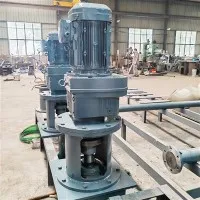
As a seasoned supplier of speed reducers, I often encounter inquiries from customers about the feasibility of reverse operation of these crucial mechanical components. This topic is not only of technical interest but also has practical implications for various industrial applications. In this blog, I will delve into the technical aspects of whether speed reducers can be used in reverse operation, explore relevant applications, and provide some insights based on my years of experience in the industry.
Understanding Speed Reducers
Before discussing reverse operation, it's essential to understand what speed reducers are and how they work. A speed reducer, also known as a gearbox, is a mechanical device used to reduce the speed of an input shaft while increasing the torque. It consists of a series of gears with different sizes and tooth counts, which mesh together to achieve the desired speed reduction ratio. Speed reducers are widely used in various industries, including manufacturing, agriculture, and energy, to match the speed and torque requirements of different machines and equipment.
Can Speed Reducers Be Used in Reverse Operation?
The short answer is yes, in many cases, speed reducers can be used in reverse operation. However, several factors need to be considered to ensure safe and efficient operation.
Gear Design and Lubrication
The design of the gears in a speed reducer plays a crucial role in determining its suitability for reverse operation. Some gear designs, such as helical gears, are more suitable for bidirectional operation due to their smooth and continuous meshing. In contrast, some worm gears may have limitations in reverse operation because of their high friction and potential for self - locking.
Lubrication is another critical factor. Proper lubrication is essential to reduce friction and wear between the gears, especially during reverse operation. In reverse operation, the lubricant needs to be able to reach all the contact surfaces of the gears effectively. If the lubrication system is not designed to handle reverse operation, it may lead to insufficient lubrication, increased wear, and ultimately, failure of the speed reducer.
Load and Torque Requirements
The load and torque requirements during reverse operation can be different from those in normal operation. In some applications, the load may be higher during reverse operation, which can put additional stress on the gears and other components of the speed reducer. Therefore, it's necessary to carefully analyze the load and torque requirements in both normal and reverse operation and select a speed reducer with sufficient capacity to handle these conditions.


Backlash and Efficiency
Backlash, the clearance between the teeth of the gears, can also affect the performance of a speed reducer during reverse operation. Excessive backlash can cause vibration, noise, and reduced accuracy in positioning. When operating in reverse, the backlash can have a more significant impact on the overall performance of the system.
The efficiency of a speed reducer may also change during reverse operation. Some speed reducers may have lower efficiency in reverse operation due to factors such as increased friction and different load distribution on the gears.
Applications of Reverse - Operated Speed Reducers
There are several industrial applications where speed reducers are used in reverse operation.
Biomass Wood Pellet Machine
In a Biomass Wood Pellet Machine, speed reducers may be required to operate in reverse for functions such as cleaning the machine or reversing the feed direction. The speed reducer needs to be able to handle the load and torque requirements during both normal and reverse operation to ensure smooth and efficient production of wood pellets.
Desulfurization Agitator
Desulfurization agitators are used in the chemical and power industries to mix and stir the desulfurization agents. In some cases, the agitator may need to operate in reverse to improve the mixing effect or to clean the agitator blades. A speed reducer used in a Desulfurization Agitator must be designed to handle the bidirectional operation and the associated load changes.
Wood Chip Straw Pellet Machine
Similar to the biomass wood pellet machine, a Wood Chip Straw Pellet Machine may require reverse operation for maintenance and material handling purposes. The speed reducer in this machine needs to be reliable and efficient in both normal and reverse operation to ensure the continuous production of high - quality pellets.
Case Studies
Let's take a look at a real - world case study to illustrate the importance of considering reverse operation when selecting a speed reducer. A manufacturing plant was using a speed reducer in a conveyor system. The conveyor needed to operate in both forward and reverse directions to move materials in different stages of the production process. Initially, they installed a standard speed reducer without considering the reverse operation requirements. After a few months of operation, they noticed increased noise, vibration, and wear on the gears.
Upon further investigation, it was found that the lubrication system was not designed to handle reverse operation, resulting in insufficient lubrication during reverse movement. The plant then replaced the speed reducer with a model specifically designed for bidirectional operation, which had a more advanced lubrication system. After the replacement, the noise and vibration were significantly reduced, and the service life of the speed reducer was extended.
Tips for Selecting a Speed Reducer for Reverse Operation
If you are considering using a speed reducer in reverse operation, here are some tips to help you make the right choice:
- Consult with the Manufacturer: Reach out to the speed reducer manufacturer and provide them with detailed information about your application, including the load, torque, speed, and frequency of reverse operation. The manufacturer can recommend the most suitable speed reducer based on your specific requirements.
- Check the Gear Design: Look for speed reducers with gear designs that are suitable for bidirectional operation, such as helical gears.
- Evaluate the Lubrication System: Ensure that the lubrication system of the speed reducer can effectively lubricate the gears during both normal and reverse operation.
- Consider the Backlash and Efficiency: Pay attention to the backlash and efficiency of the speed reducer in both normal and reverse operation to ensure smooth and accurate operation of your equipment.
Conclusion
In conclusion, speed reducers can be used in reverse operation in many cases, but it requires careful consideration of various factors such as gear design, lubrication, load and torque requirements, backlash, and efficiency. With the right selection and proper maintenance, a speed reducer can operate safely and efficiently in both normal and reverse directions, meeting the diverse needs of different industrial applications.
If you are in the market for a speed reducer for your specific application, whether it involves reverse operation or not, our team of experts is here to help. We have a wide range of high - quality speed reducers that can be customized to meet your unique requirements. Contact us today to start a discussion about your project and explore how our speed reducers can enhance the performance of your equipment.
References
- "Mechanical Design of Machine Elements and Machines: A Failure - Prevention Perspective" by Juvinall and Marshek.
- "Gear Handbook: Design, Manufacturing, and Applications" by Darle W. Dudley.