

Can a chemical agitator be used in corrosive environments? This is a question that often arises in various industrial applications where the use of chemical agitators is essential. As a reputable chemical agitator supplier, we understand the importance of addressing this concern to ensure our clients can make informed decisions about their equipment needs.
Understanding Corrosive Environments
Corrosive environments are characterized by the presence of chemicals or substances that have the potential to react with and degrade materials over time. These environments can be found in a wide range of industries, including chemical processing, pharmaceuticals, food and beverage, and wastewater treatment. Common corrosive agents include acids, alkalis, salts, and oxidizing agents.
The severity of corrosion depends on several factors, such as the type and concentration of the corrosive agent, temperature, pressure, and the duration of exposure. In some cases, corrosion can lead to significant damage to equipment, resulting in reduced performance, increased maintenance costs, and even safety hazards.
Types of Chemical Agitators
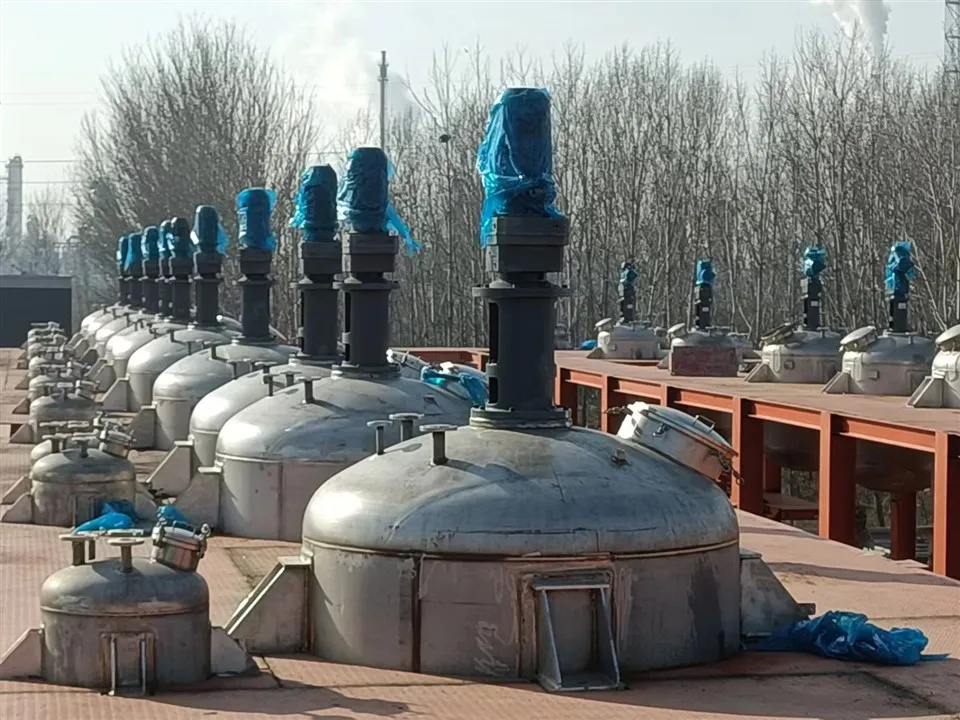
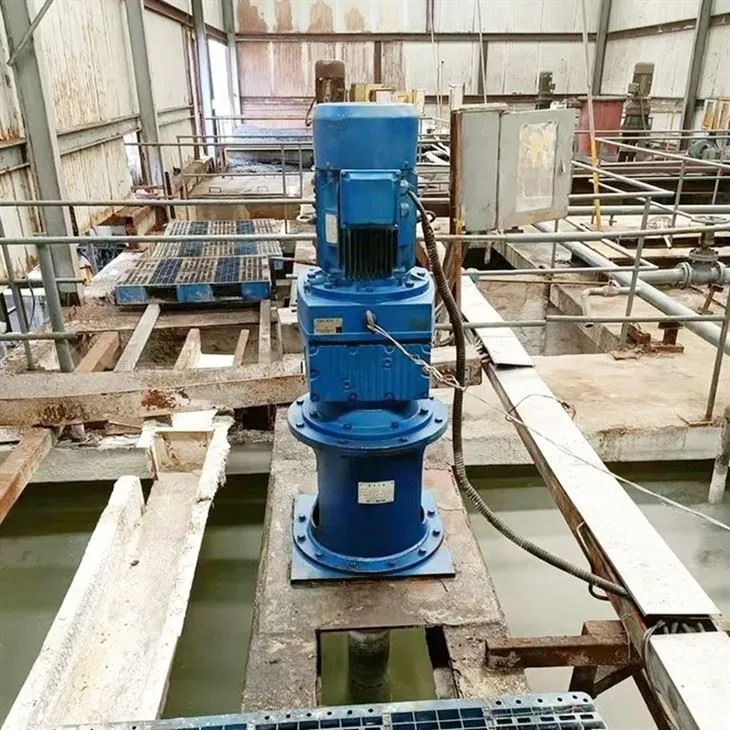
Before discussing the suitability of chemical agitators in corrosive environments, it's important to understand the different types of agitators available. At our company, we offer a variety of agitators to meet the diverse needs of our clients, including Reactor Agitator, Turbine Agitator, and Dissolving Kettle Agitator.
- Reactor Agitator: These agitators are designed for use in reactors, where they are used to mix and blend reactants to promote chemical reactions. Reactor agitators are typically used in the chemical, pharmaceutical, and food industries.
- Turbine Agitator: Turbine agitators are widely used in various industries for mixing, blending, and dispersing liquids. They are known for their high efficiency and ability to generate strong turbulence, making them suitable for applications where rapid mixing is required.
- Dissolving Kettle Agitator: Dissolving kettle agitators are used in the process of dissolving solids in liquids. They are commonly used in the chemical, pharmaceutical, and food industries for the preparation of solutions and suspensions.
Factors Affecting the Use of Chemical Agitators in Corrosive Environments
When considering the use of a chemical agitator in a corrosive environment, several factors need to be taken into account:
Material Selection
The choice of materials for the construction of the agitator is crucial in determining its resistance to corrosion. Different materials have different levels of resistance to various corrosive agents. For example, stainless steel is a commonly used material for agitators due to its good corrosion resistance in many environments. However, in highly corrosive environments, more specialized materials such as titanium, Hastelloy, or ceramic may be required.
Coating and Linings
In addition to material selection, the use of coatings and linings can provide an extra layer of protection against corrosion. Coatings such as epoxy, phenolic, or rubber can be applied to the surface of the agitator to prevent direct contact between the corrosive agent and the base material. Linings, on the other hand, are used to line the interior of the agitator vessel to protect it from corrosion.
Design Considerations
The design of the agitator can also affect its performance in a corrosive environment. For example, smooth surfaces and rounded edges can reduce the accumulation of corrosive agents and make the agitator easier to clean. Additionally, the design should allow for proper drainage to prevent the pooling of liquids, which can accelerate corrosion.
Operating Conditions
The operating conditions, such as temperature, pressure, and the concentration of the corrosive agent, can also have a significant impact on the corrosion rate of the agitator. Higher temperatures and pressures can increase the reactivity of the corrosive agent, while higher concentrations can accelerate the corrosion process. Therefore, it's important to carefully monitor and control the operating conditions to minimize the risk of corrosion.
Case Studies
To illustrate the successful use of chemical agitators in corrosive environments, let's look at a few case studies:
Case Study 1: Chemical Processing Plant
A chemical processing plant was using a Reactor Agitator in a highly corrosive environment where it was exposed to strong acids and alkalis. The original agitator was made of mild steel and was experiencing significant corrosion, which was affecting its performance and reliability. After consulting with our experts, the plant decided to replace the agitator with a new one made of Hastelloy, a high - nickel alloy with excellent corrosion resistance. Since the replacement, the agitator has been operating smoothly, with no signs of corrosion, and the plant has experienced a significant reduction in maintenance costs.
Case Study 2: Pharmaceutical Industry
A pharmaceutical company was using a Turbine Agitator in a dissolving kettle to prepare a solution containing a corrosive salt. The agitator was initially made of stainless steel, but it was showing signs of pitting corrosion after a few months of use. To address this issue, the company applied a ceramic coating to the agitator blades. The ceramic coating provided excellent protection against corrosion, and the agitator has been able to operate effectively for an extended period without any further corrosion problems.
Conclusion
In conclusion, a chemical agitator can be used in corrosive environments, provided that the appropriate measures are taken to ensure its resistance to corrosion. By carefully selecting the materials, using coatings and linings, considering the design, and controlling the operating conditions, it's possible to minimize the risk of corrosion and ensure the long - term performance and reliability of the agitator.
As a leading chemical agitator supplier, we have the expertise and experience to help you select the right agitator for your specific application, even in the most challenging corrosive environments. Our team of engineers and technicians can work closely with you to understand your requirements and provide customized solutions that meet your needs.
If you are looking for a reliable chemical agitator for your corrosive environment application, we invite you to contact us for a consultation. Our experts will be happy to discuss your project and provide you with detailed information and recommendations. Let's work together to find the best solution for your agitation needs.
References
- Fontana, M. G. (1986). Corrosion Engineering. McGraw - Hill.
- Uhlig, H. H., & Revie, R. W. (1985). Corrosion and Corrosion Control. Wiley.
- Schweitzer, P. A. (2004). Corrosion Resistance Tables. Marcel Dekker.


