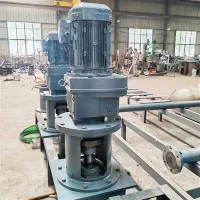
As a supplier of helical gear reducers, ensuring the safety of these crucial mechanical components is not only a technical imperative but also a commitment to our customers. Helical gear reducers are widely used in various industrial applications, from manufacturing to automotive, and their safety directly impacts the efficiency and reliability of the entire system. In this blog, I will share some key strategies and practices on how to ensure the safety of a helical gear reducer.
1. Proper Installation
The first step in ensuring the safety of a helical gear reducer is proper installation. Incorrect installation can lead to premature wear, overheating, and even catastrophic failure. Here are some important points to consider during installation:
- Alignment: Ensure that the input and output shafts of the gear reducer are properly aligned with the connected equipment. Misalignment can cause uneven loading on the gears, leading to increased stress and potential damage. Use precision alignment tools to achieve accurate alignment.
- Mounting: Secure the gear reducer firmly to a stable base or frame. Loose mounting can result in vibration, which can accelerate wear and reduce the lifespan of the gears. Follow the manufacturer's recommendations for mounting torque and use appropriate fasteners.
- Lubrication: Proper lubrication is essential for the smooth operation and safety of the gear reducer. Fill the gearbox with the recommended lubricant to the appropriate level. Check the lubricant regularly for contamination and replace it as needed. Inadequate lubrication can cause excessive friction, heat, and wear on the gears.
2. Regular Maintenance
Regular maintenance is crucial for detecting and preventing potential safety issues in helical gear reducers. Here are some maintenance tasks that should be performed regularly:
- Inspection: Conduct visual inspections of the gear reducer regularly to check for signs of wear, damage, or leakage. Look for cracks, chips, or excessive wear on the gears, bearings, and seals. Check the lubricant level and condition, and look for any signs of contamination.
- Lubricant Change: Follow the manufacturer's recommendations for lubricant change intervals. Over time, lubricants can break down and lose their effectiveness, leading to increased friction and wear. Changing the lubricant at the recommended intervals helps to ensure optimal performance and safety.
- Bearing Replacement: Bearings are critical components in a gear reducer, and their failure can cause significant damage to the gears and other parts. Monitor the condition of the bearings regularly and replace them as needed. Look for signs of excessive noise, vibration, or heat, which may indicate bearing problems.
3. Operating Conditions
The operating conditions of a helical gear reducer can have a significant impact on its safety and performance. Here are some factors to consider when operating a gear reducer:
- Load Capacity: Ensure that the gear reducer is rated for the maximum load and torque requirements of the application. Overloading the gear reducer can cause excessive stress on the gears and other components, leading to premature failure. Consult the manufacturer's specifications to determine the appropriate gear reducer for your application.
- Speed and Temperature: Operate the gear reducer within the recommended speed and temperature ranges. Excessive speed or temperature can cause the lubricant to break down, leading to increased friction and wear. Monitor the temperature of the gear reducer regularly and take appropriate measures to cool it if necessary.
- Environmental Conditions: Consider the environmental conditions in which the gear reducer will be operating. Exposure to dust, dirt, moisture, or chemicals can cause corrosion and damage to the gears and other components. Protect the gear reducer from these environmental factors by using appropriate enclosures or protective coatings.
4. Training and Education
Proper training and education are essential for ensuring the safe operation and maintenance of helical gear reducers. Here are some ways to provide training and education to your employees:
- Operator Training: Provide comprehensive training to operators on the proper operation, maintenance, and safety procedures of the gear reducer. Train them on how to start and stop the gear reducer, how to monitor its performance, and how to identify and report potential safety issues.
- Maintenance Training: Train maintenance personnel on the proper maintenance procedures for the gear reducer, including lubrication, inspection, and component replacement. Provide them with the necessary tools and equipment to perform maintenance tasks safely and effectively.
- Safety Awareness: Promote safety awareness among all employees by providing regular safety training and education. Encourage them to follow safety procedures and report any safety concerns immediately.
5. Quality Assurance
As a supplier of helical gear reducers, we are committed to providing high-quality products that meet or exceed industry standards. Here are some quality assurance measures that we implement to ensure the safety of our gear reducers:
- Design and Engineering: Our gear reducers are designed and engineered using the latest technology and industry best practices. We use advanced computer-aided design (CAD) software to optimize the gear geometry and ensure smooth and efficient operation.
- Manufacturing Process: We have a state-of-the-art manufacturing facility equipped with the latest machinery and equipment. Our manufacturing process is carefully controlled to ensure the highest quality standards. We use high-quality materials and components and perform rigorous quality inspections at every stage of the manufacturing process.
- Testing and Certification: Before shipping our gear reducers, we subject them to extensive testing and certification to ensure their safety and performance. We test the gear reducers under various operating conditions to verify their load capacity, efficiency, and reliability. Our gear reducers are also certified to meet international standards such as ISO 9001 and CE.
6. Product Selection
Choosing the right helical gear reducer for your application is crucial for ensuring its safety and performance. Here are some factors to consider when selecting a gear reducer:
- Application Requirements: Consider the specific requirements of your application, such as load capacity, speed, torque, and operating conditions. Consult the manufacturer's specifications to determine the appropriate gear reducer for your application.
- Quality and Reliability: Choose a gear reducer from a reputable manufacturer with a proven track record of quality and reliability. Look for products that are certified to meet international standards and have a long service life.
- Support and Service: Consider the level of support and service offered by the manufacturer. Choose a manufacturer that provides comprehensive technical support, training, and maintenance services to ensure the safe and efficient operation of your gear reducer.
In addition to the above strategies and practices, it is also important to stay updated on the latest industry trends and technologies. The helical gear reducer industry is constantly evolving, and new technologies and materials are being developed to improve the safety and performance of these components. By staying informed and adopting the latest best practices, you can ensure the safety and reliability of your helical gear reducers.


If you are in the market for a helical gear reducer, we invite you to explore our range of products, including the NRV Gear Reducer, Planetary Speed Reducer, and NMRV Gear Reducer. Our team of experts is available to assist you in selecting the right gear reducer for your application and providing you with the support and service you need to ensure its safe and efficient operation. Contact us today to start the procurement discussion and find the perfect solution for your needs.
References
- "Helical Gear Reducer Handbook," Manufacturer's Manual
- "Industrial Gearbox Safety Standards," International Organization for Standardization (ISO)
- "Lubrication Guidelines for Gear Reducers," Lubricant Manufacturer's Documentation