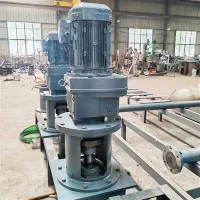
Hey there! I'm a supplier of Cubic Screw Jacks, and today I wanna talk about something super important in our business: what kind of packaging is suitable for a cubic screw jack during transportation.
First off, let me give you a bit of background on our Cubic Screw Jacks. These bad boys are high - quality pieces of equipment. You can check out more about them on our website Cubic Screw Jack. They're used in a whole bunch of industries, from manufacturing to construction, and they need to be in top - notch condition when they reach our customers.
Now, let's get into the packaging options. The primary goal of packaging a cubic screw jack for transportation is to protect it from damage. During transit, there are all sorts of risks like bumps, vibrations, and even moisture.
Wooden Crates
One of the most popular choices for packaging cubic screw jacks is wooden crates. Wooden crates are sturdy and can withstand a fair amount of rough handling. They're great for providing a solid outer layer of protection. You can build a custom - sized wooden crate that perfectly fits the cubic screw jack. This way, the jack won't move around inside the crate during transportation, which reduces the risk of damage.


To make the wooden crate even more effective, you can line the inside with foam or other cushioning materials. This extra layer will absorb any shocks or vibrations that the crate might encounter on the road or in the air. However, wooden crates can be a bit heavy, which might increase shipping costs. And they also require proper treatment to prevent pests and decay, especially if you're shipping internationally.
Plastic Containers
Plastic containers are another option. They're lightweight, which is a big plus when it comes to reducing shipping costs. You can find plastic containers in various sizes and shapes, so you can pick one that's a good fit for your cubic screw jack.
Plastic containers are also resistant to moisture, which is crucial if your shipment might be exposed to wet conditions. Some plastic containers come with built - in locking mechanisms, which keep the jack securely inside. But the downside is that they might not be as strong as wooden crates. If the container gets dropped or hit hard, it could crack, potentially exposing the jack to damage.
Cardboard Boxes
For smaller or less heavy cubic screw jacks, cardboard boxes can be a viable option. Cardboard boxes are cheap and easy to find. You can reinforce them with extra layers of cardboard or use corner protectors to make them more durable.
You can also fill the box with packing peanuts or bubble wrap to cushion the jack. However, cardboard boxes are not very resistant to moisture. If they get wet, they'll lose their structural integrity quickly, and the jack inside could be at risk. So, if you're using cardboard boxes, you might want to add a plastic liner to protect against moisture.
Foam Packaging
Foam packaging is often used in combination with other packaging materials. You can cut foam to fit the shape of the cubic screw jack precisely. Foam is excellent at absorbing shocks and vibrations. It can be placed inside wooden crates, plastic containers, or cardboard boxes to provide an extra layer of protection.
There are different types of foam available, such as polyurethane foam and polystyrene foam. Polyurethane foam is more flexible and can conform better to the shape of the jack, while polystyrene foam is lighter and more rigid.
Custom - Molded Packaging
If you have the budget, custom - molded packaging is the way to go. This involves creating a packaging solution that is specifically designed for your cubic screw jack. The packaging is made to fit the jack like a glove, providing maximum protection.
Custom - molded packaging can be made from materials like foam or plastic. It takes into account the unique shape and features of the jack, so there's no chance of it moving around during transportation. However, the cost of designing and producing custom - molded packaging can be quite high, so it's usually only an option for high - value or large - volume orders.
Considering the Destination
When choosing the right packaging for your cubic screw jack, you also need to consider the destination. If you're shipping locally, you might be able to get away with less - robust packaging. But if you're shipping overseas, you'll need to be more cautious.
International shipments are often subject to longer transit times and more handling. The jack might be loaded and unloaded multiple times, and it could be exposed to different climates. For example, if you're shipping to a humid region, you'll need to make sure the packaging is moisture - resistant.
Environmental Considerations
In today's world, environmental considerations are also important. You might want to choose packaging materials that are recyclable or biodegradable. For example, cardboard boxes are easily recyclable, and some types of foam are also biodegradable.
By choosing eco - friendly packaging, you're not only doing your part for the environment but also appealing to customers who are environmentally conscious.
Conclusion
So, there you have it. There are several options for packaging a cubic screw jack during transportation, each with its own pros and cons. Whether you choose wooden crates, plastic containers, cardboard boxes, foam packaging, custom - molded packaging, or a combination of these, the key is to ensure that the jack arrives at its destination in perfect condition.
If you're in the market for Cubic Screw Jacks or have any questions about packaging or our products, don't hesitate to reach out. We also have other great products like Small Electric Screw Jack and Stainless Steel Screw Jack. Let's start a conversation about your specific needs and how we can help you out.
References
- Packaging Industry Reports on Equipment Protection
- Manufacturer's Guidelines for Cubic Screw Jack Transportation
- Studies on the Impact of Different Packaging Materials on Product Safety