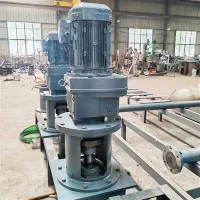
The thermal expansion effect on a ball screw elevator is a critical aspect that can significantly impact its performance, accuracy, and overall lifespan. As a leading Ball Screw Elevator supplier, we understand the importance of delving into this phenomenon to provide our customers with the best solutions for their applications.
Understanding Thermal Expansion
Thermal expansion is a natural physical phenomenon where materials expand or contract in response to changes in temperature. When a material is heated, its molecules gain energy and start to vibrate more vigorously, causing the material to expand. Conversely, when the material is cooled, the molecules lose energy, and the material contracts.
In the context of a ball screw elevator, thermal expansion can occur in various components, including the screw shaft, the nut, and the housing. The coefficient of thermal expansion (CTE) is a measure of how much a material expands or contracts per unit length for a given change in temperature. Different materials have different CTE values, which means that they will expand or contract at different rates when exposed to the same temperature change.
Impact on Ball Screw Elevators
Accuracy and Precision
One of the most significant impacts of thermal expansion on a ball screw elevator is on its accuracy and precision. As the screw shaft and nut expand or contract due to temperature changes, the pitch of the screw can change. This change in pitch can lead to errors in the positioning of the elevator, which can be a critical issue in applications where high precision is required, such as in semiconductor manufacturing or medical equipment.
For example, if the screw shaft expands due to an increase in temperature, the pitch of the screw will increase. This means that for each rotation of the screw, the nut will move a slightly greater distance than it would at a lower temperature. If the control system of the elevator is not calibrated to account for this change in pitch, the elevator will not reach the desired position accurately.
Load Capacity
Thermal expansion can also affect the load capacity of a ball screw elevator. As the components expand, the internal stresses within the elevator can increase. This increase in stress can lead to premature wear and fatigue of the components, reducing the overall load capacity of the elevator.
In addition, thermal expansion can cause misalignment between the screw shaft and the nut. This misalignment can result in uneven loading on the balls within the ball screw, leading to increased friction and wear. Over time, this can further reduce the load capacity of the elevator and increase the risk of failure.
Lubrication
Lubrication is essential for the smooth operation of a ball screw elevator. However, thermal expansion can affect the performance of the lubricant. As the temperature increases, the viscosity of the lubricant can decrease, reducing its ability to provide adequate lubrication. This can lead to increased friction and wear between the components, further exacerbating the effects of thermal expansion.
Mitigating the Effects of Thermal Expansion
Material Selection
One way to mitigate the effects of thermal expansion is through careful material selection. Choosing materials with low coefficients of thermal expansion can help reduce the amount of expansion or contraction that occurs in the components of the ball screw elevator. For example, some advanced alloys and composite materials have relatively low CTE values and can be used to manufacture the screw shaft and nut.
Temperature Compensation
Another approach is to implement temperature compensation techniques. This can involve using sensors to monitor the temperature of the elevator and adjusting the control system accordingly. For example, if the temperature increases and the pitch of the screw changes, the control system can adjust the number of rotations of the screw to ensure that the elevator reaches the desired position accurately.
Cooling Systems
In some applications, it may be necessary to use cooling systems to maintain a stable temperature within the ball screw elevator. This can help reduce the effects of thermal expansion and improve the overall performance and reliability of the elevator. Cooling systems can include air cooling, water cooling, or a combination of both.
Our Solutions as a Ball Screw Elevator Supplier
As a [real company role, e.g., premier] Ball Screw Elevator supplier, we offer a wide range of products and solutions to address the challenges posed by thermal expansion. Our Ball Screw Elevator is designed with high-quality materials and advanced manufacturing techniques to minimize the effects of thermal expansion.


We also offer High Load Stainless Steel Screw Jack options that are specifically engineered to withstand high loads and temperature variations. These screw jacks are made from stainless steel, which has a relatively low coefficient of thermal expansion and excellent corrosion resistance.
In addition, our Manual Ball Screw Jack provides a reliable and cost-effective solution for applications where automation is not required. These jacks are easy to operate and maintain, and they can be customized to meet the specific requirements of our customers.
Conclusion
The thermal expansion effect on a ball screw elevator is a complex issue that can have a significant impact on its performance, accuracy, and lifespan. By understanding the causes and effects of thermal expansion and implementing appropriate mitigation strategies, we can ensure that our ball screw elevators provide reliable and precise operation in a wide range of applications.
If you are interested in learning more about our Ball Screw Elevators or have any questions about thermal expansion and its effects, please feel free to contact us. Our team of experts is ready to assist you in selecting the right solution for your needs and providing you with the support and guidance you require. We look forward to the opportunity to work with you and help you achieve your goals.
References
- Johnson, R. (2018). Precision Ball Screw Technology. Industrial Press Inc.
- Smith, A. (2020). Thermal Management in Mechanical Systems. McGraw-Hill Education.
- Brown, C. (2019). Lubrication Fundamentals for Machine Elements. CRC Press.