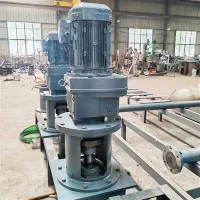
Hey there! As a gear reducer supplier, I've seen firsthand the wide range of price differences between different types of gear reducers. In this blog, I'll break down these differences and explain what factors contribute to the cost of each type.
Let's start with the basics. Gear reducers are mechanical devices used to reduce the speed of an input shaft while increasing the torque. They're used in a variety of industries, from manufacturing to automotive, and come in different types, each with its own unique features and price points.
Helical Bevel Gear Reducer
The Helical Bevel Gear Reducer is known for its high efficiency and smooth operation. These reducers use helical gears, which have teeth that are cut at an angle to the gear axis. This design allows for more teeth to be in contact at any given time, resulting in less wear and tear and a longer lifespan.
The price of a helical bevel gear reducer can vary depending on several factors. First, the size and power rating of the reducer play a big role. Larger reducers with higher power ratings will generally cost more than smaller ones. Second, the quality of the materials used also affects the price. High - quality steel alloys and precision manufacturing processes can drive up the cost, but they also ensure better performance and durability.
On average, a small - to - medium - sized helical bevel gear reducer might cost anywhere from a few hundred dollars to a couple of thousand dollars. However, for large, industrial - grade models with high power and precision requirements, the price can easily reach tens of thousands of dollars.
Hard Face Gear Reducer
Next up is the Hard Face Gear Reducer. These reducers are designed to handle heavy loads and harsh operating conditions. The gears in a hard face gear reducer are hardened through a special process, which makes them more resistant to wear, pitting, and other forms of damage.
The main factor that affects the price of a hard face gear reducer is the hardening process itself. This process is complex and requires specialized equipment and expertise, which adds to the cost of production. Additionally, like helical bevel gear reducers, the size and power rating of the hard face gear reducer also impact its price.
Smaller hard face gear reducers can start at around a thousand dollars, while larger, more heavy - duty models can cost upwards of twenty thousand dollars or more. The high price is justified by their ability to withstand extreme conditions and provide long - term reliability in industrial applications.
Planetary Gear Reducer
Now, let's talk about the Planetary Gear Reducer. Planetary gear reducers are known for their compact size, high torque density, and high efficiency. They consist of a central sun gear, multiple planet gears, and an outer ring gear, which work together to transmit power.
The price of a planetary gear reducer can be quite variable. One of the main factors influencing the price is the complexity of the design. More complex planetary gear systems with multiple stages or special features will cost more. The quality of the components, such as the gears and bearings, also affects the price. High - precision gears and high - performance bearings can increase the cost but offer better performance and reliability.


Small planetary gear reducers used in light - duty applications, like robotics or small machinery, can cost a few hundred dollars. However, large, high - torque planetary gear reducers used in heavy industrial applications, such as mining or construction equipment, can cost tens of thousands of dollars.
Other Factors Affecting Price
In addition to the type of gear reducer and its size and power rating, there are other factors that can affect the price. Brand reputation is one such factor. Well - known brands that have a history of producing high - quality gear reducers often charge a premium for their products. This is because customers are willing to pay more for the assurance of quality and reliability.
Another factor is the level of customization. If a customer requires a gear reducer with specific features or dimensions, the manufacturer will need to invest additional time and resources into the design and production process. This customization can significantly increase the price of the gear reducer.
The cost of raw materials also plays a role. Fluctuations in the price of steel, aluminum, and other metals can impact the overall cost of manufacturing gear reducers. When the cost of raw materials goes up, manufacturers may pass on some of these costs to the customers.
Why Price Matters
You might be wondering why it's important to understand these price differences. Well, if you're in the market for a gear reducer, knowing the price range of different types can help you make an informed decision. You need to balance your budget with your performance requirements.
For example, if you have a small - scale operation with relatively light loads and a tight budget, a small planetary gear reducer or a basic helical bevel gear reducer might be the right choice for you. On the other hand, if you're running a large industrial plant with heavy - duty equipment and need a gear reducer that can withstand extreme conditions, investing in a hard face gear reducer might be worth the higher cost in the long run.
Let's Talk Business
If you're interested in purchasing a gear reducer, I'd love to have a chat with you. Whether you're not sure which type is right for your application or you want to get a quote, I'm here to help. Understanding your specific needs is crucial, and I can guide you through the selection process to ensure you get the best gear reducer for your money.
Contact me to start a discussion about your gear reducer requirements. I'm confident that we can find a solution that meets your performance needs and fits your budget.
References
- Machinery's Handbook, 31st Edition
- Gear Design and Application, Second Edition by Darle W. Dudley