What is the maximum inclination angle at which a worm screw jack can operate?
As a supplier of worm screw jacks, I often receive inquiries from customers about the technical specifications and performance limits of our products. One question that comes up frequently is: What is the maximum inclination angle at which a worm screw jack can operate? In this blog post, I'll delve into this topic, exploring the factors that influence the maximum inclination angle and providing some guidelines to help you make informed decisions when using worm screw jacks.
Understanding Worm Screw Jacks
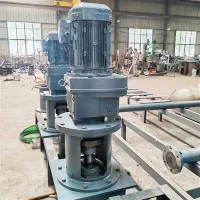
Before we discuss the maximum inclination angle, let's briefly review what a worm screw jack is. A Worm Gear Screw Jack is a mechanical device used to convert rotary motion into linear motion. It consists of a worm gear, a screw, and a nut. When the worm gear is rotated, it drives the screw, which moves linearly to lift or lower a load. Worm screw jacks are known for their high load capacity, precise positioning, and self - locking feature, making them suitable for a wide range of applications, such as industrial machinery, construction equipment, and automation systems.
Factors Affecting the Maximum Inclination Angle
The maximum inclination angle at which a worm screw jack can operate is determined by several factors, including:
1. Load Capacity
The load carried by the worm screw jack has a significant impact on its maximum inclination angle. As the inclination angle increases, the effective load on the jack also increases due to the component of the gravitational force acting along the inclined plane. If the load exceeds the rated capacity of the jack at a certain inclination angle, it can lead to premature wear, overheating, or even failure of the jack. Therefore, when operating a worm screw jack on an inclined surface, it is crucial to ensure that the load remains within the allowable range.
2. Friction
Friction plays a vital role in the operation of a worm screw jack on an inclined surface. The friction between the screw and the nut, as well as the friction between the jack and the supporting structure, affects the efficiency and stability of the jack. Higher friction can reduce the efficiency of the jack, causing more power to be consumed during operation. Additionally, excessive friction can lead to overheating and wear of the components. On an inclined surface, the friction forces must be carefully considered to ensure that the jack can operate smoothly and safely.
3. Self - Locking Feature
One of the key advantages of worm screw jacks is their self - locking feature. This means that the jack can hold the load in position without the need for additional braking mechanisms when the input power is removed. However, the self - locking ability of the jack may be affected by the inclination angle. As the inclination angle increases, the self - locking performance may deteriorate, especially if the load is large. Therefore, it is important to select a worm screw jack with a suitable self - locking design for the intended inclination angle.
4. Lubrication
Proper lubrication is essential for the smooth operation of a worm screw jack, especially on an inclined surface. Lubrication reduces friction, wear, and heat generation, improving the efficiency and lifespan of the jack. On an inclined surface, the lubricant may tend to flow down due to gravity, which can lead to insufficient lubrication in some areas. Therefore, it is necessary to use a lubricant with good adhesion properties and to ensure that the lubrication system is designed to maintain proper lubrication under inclined conditions.
Determining the Maximum Inclination Angle
In general, the maximum inclination angle at which a worm screw jack can operate depends on the specific model and design of the jack. Most manufacturers provide technical specifications that include the maximum allowable inclination angle for their products. However, these values are usually based on ideal conditions and may need to be adjusted according to the actual application.
To determine the maximum inclination angle for a particular application, the following steps can be taken:


1. Calculate the Load
First, calculate the total load that the worm screw jack will need to carry, including the weight of the object being lifted or lowered and any additional forces acting on the jack. Consider the component of the gravitational force acting along the inclined plane when calculating the effective load.
2. Check the Manufacturer's Specifications
Refer to the manufacturer's technical documentation to find the rated load capacity and the maximum allowable inclination angle for the selected worm screw jack. Make sure that the calculated load is within the rated capacity of the jack at the intended inclination angle.
3. Consider the Operating Conditions
Take into account the operating conditions, such as the environment temperature, humidity, and the presence of dust or debris. These factors can affect the performance of the jack and may require additional precautions or adjustments to the maximum inclination angle.
4. Conduct Tests
If possible, conduct tests on a small scale to verify the performance of the worm screw jack at different inclination angles. This can help to identify any potential issues and to determine the actual maximum inclination angle for the specific application.
Applications of Worm Screw Jacks on Inclined Surfaces
Worm screw jacks are widely used in various applications where lifting or positioning on inclined surfaces is required. Some common examples include:
1. Construction Equipment
In the construction industry, worm screw jacks are used in equipment such as cranes, scaffolding, and ramps. These jacks can be used to adjust the height and angle of the equipment on inclined terrain, providing stable support and precise positioning.
2. Industrial Machinery
In industrial settings, worm screw jacks are used in machinery such as conveyor systems, assembly lines, and material handling equipment. They can be used to lift or lower components on inclined platforms, facilitating the movement and processing of materials.
3. Automotive Industry
In the automotive industry, worm screw jacks are used in vehicle lifts and alignment equipment. These jacks can be used to lift vehicles at an inclined angle for maintenance and repair purposes, providing easy access to the underside of the vehicle.
Conclusion
The maximum inclination angle at which a worm screw jack can operate is influenced by several factors, including load capacity, friction, self - locking feature, and lubrication. By carefully considering these factors and following the guidelines provided by the manufacturer, it is possible to determine the appropriate maximum inclination angle for a specific application.
As a Worm Screw Elevator supplier, we are committed to providing high - quality products and technical support to our customers. If you have any questions or need assistance in selecting the right worm screw jack for your application, especially when it involves an inclined surface, please feel free to contact us. Our team of experts is ready to help you find the best solution for your needs. We look forward to discussing your requirements and working with you to ensure the success of your projects.
References
- Machinery's Handbook, 31st Edition
- Manufacturer's technical documentation for worm screw jacks