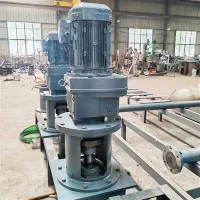
In the field of mechanical engineering, gear reducers play a crucial role in countless applications, from industrial machinery to automotive systems. One of the fundamental concepts within a gear reducer is the gear module. As a reputable gear reducer supplier, I understand the importance of the gear module and its impact on the performance and selection of gear reducers. In this blog, I will delve into what the gear module is and provide insights on how to choose it appropriately.
Understanding the Gear Module
The gear module, denoted by the symbol "m," is a fundamental parameter in gear design. It is defined as the ratio of the pitch diameter (d) of a gear to the number of teeth (z) on the gear, expressed by the formula (m=\frac{d}{z}). In simpler terms, the gear module represents the size of the gear teeth. A larger module means larger teeth, while a smaller module corresponds to smaller teeth.
The gear module is measured in millimeters in the metric system, which is widely used in most modern engineering applications. It serves as a standard for specifying the size and dimensions of gears, ensuring compatibility and interchangeability between different gears within a gear system.
Significance of the Gear Module
The gear module has several important implications for the performance and design of a gear reducer:
- Load - Carrying Capacity: Gears with a larger module have larger teeth, which can withstand higher loads. This is because the larger tooth size provides a greater contact area between the meshing gears, distributing the load more evenly and reducing the stress on each tooth. As a result, gears with a larger module are often used in heavy - duty applications where high torque and power transmission are required.
- Speed and Efficiency: The gear module also affects the speed and efficiency of the gear reducer. Smaller - module gears generally have a higher rotational speed and can achieve a higher gear ratio in a compact space. However, they may also have lower efficiency due to increased friction and wear. On the other hand, larger - module gears are more suitable for applications requiring lower speeds and higher torque, and they often offer better efficiency in such scenarios.
- Manufacturing and Cost: The gear module influences the manufacturing process and cost of gears. Gears with a larger module are more challenging to manufacture, as they require more material and may involve more complex machining operations. This can result in higher manufacturing costs. Smaller - module gears, on the other hand, are easier and cheaper to produce, making them more suitable for mass - production and cost - sensitive applications.
Types of Gear Reducers and Their Gear Module Requirements
Different types of gear reducers have specific requirements for the gear module based on their design and application. Here are some common types of gear reducers and how the gear module is relevant to them:
Planetary Speed Reducer
A Planetary Speed Reducer consists of a central sun gear, multiple planet gears, and an outer ring gear. Planetary speed reducers are known for their high torque density, compact size, and high efficiency.
In planetary speed reducers, the gear module is carefully selected to balance the load - carrying capacity and the size of the reducer. Since planetary speed reducers are often used in applications where space is limited, a relatively small to medium gear module is commonly used to achieve a high gear ratio in a compact design. However, for heavy - duty applications, a larger gear module may be necessary to ensure the gears can withstand the high loads.
Hard Face Gear Reducer
Hard Face Gear Reducers are designed to handle high - torque and high - speed applications. The gears in hard face gear reducers are typically heat - treated to increase their hardness and wear resistance.
The gear module in hard face gear reducers is usually chosen based on the expected load and speed requirements. For high - torque applications, a larger gear module is preferred to ensure the gears can handle the heavy loads without excessive wear. Additionally, the heat - treatment process of hard face gears can enhance the load - carrying capacity of smaller - module gears, allowing for more compact designs in some cases.
Helical Bevel Gear Reducer
Helical Bevel Gear Reducers combine the advantages of helical gears and bevel gears, providing smooth and efficient power transmission at an angle. These reducers are commonly used in applications such as machine tools, conveyors, and automotive differentials.
The gear module selection for helical bevel gear reducers depends on factors such as the input power, speed, and the required gear ratio. Smaller - module gears can be used to achieve higher gear ratios and compact designs, while larger - module gears are suitable for applications with high torque and power requirements.
How to Choose the Appropriate Gear Module
Choosing the right gear module for a gear reducer is a critical decision that requires careful consideration of several factors. Here are some steps and guidelines to help you make an informed choice:
Determine the Application Requirements
- Load and Torque: First, you need to determine the maximum load and torque that the gear reducer will need to transmit. This information can be obtained from the specifications of the equipment or the application requirements. For heavy - duty applications, such as industrial crushers or large - scale conveyors, a larger gear module is usually required to ensure the gears can withstand the high loads.
- Speed and Gear Ratio: Consider the input and output speeds of the gear reducer, as well as the required gear ratio. If you need a high gear ratio in a compact space, a smaller - module gear may be more suitable. However, keep in mind that smaller - module gears may have limitations in terms of load - carrying capacity.
Consider the Operating Conditions
- Environment: The operating environment can also affect the choice of gear module. In harsh environments with high temperatures, dust, or corrosive substances, gears may experience more wear and tear. In such cases, a larger gear module can provide better durability and reliability.
- Lubrication and Maintenance: Adequate lubrication is essential for the proper functioning of gears. If the operating conditions make it difficult to maintain proper lubrication, a larger gear module can help reduce the risk of premature wear and failure.
Evaluate the Manufacturing and Cost Constraints
- Manufacturing Capability: Consider the manufacturing capabilities of your gear supplier. Some gear manufacturers may have limitations in terms of the range of gear modules they can produce. Ensure that the chosen gear module is within the manufacturing capabilities of your supplier to avoid any production issues.
- Cost: The gear module can have a significant impact on the cost of the gear reducer. Larger - module gears generally cost more to manufacture due to the increased material and machining requirements. Balance the performance requirements with the cost constraints to find the most cost - effective solution.
Consult with a Gear Expert
If you are unsure about which gear module to choose, it is advisable to consult with a gear expert or an experienced gear reducer supplier. At our company, we have a team of experts who can provide professional advice based on your specific application requirements. We can help you analyze the factors mentioned above and recommend the most suitable gear module for your gear reducer.


Conclusion
The gear module is a fundamental concept in the design and selection of gear reducers. It plays a crucial role in determining the load - carrying capacity, speed, efficiency, and cost of the gear reducer. By understanding the significance of the gear module and following the guidelines for choosing the appropriate gear module, you can ensure that your gear reducer performs optimally in your application.
As a leading gear reducer supplier, we are committed to providing high - quality gear reducers with the right gear module for your specific needs. Whether you need a Planetary Speed Reducer, a Hard Face Gear Reducer, or a Helical Bevel Gear Reducer, we have the expertise and resources to meet your requirements.
If you are interested in purchasing a gear reducer or have any questions about gear module selection, please feel free to contact us. Our team of professionals will be happy to assist you in finding the best solution for your application.
References
- Dudley, D. W. (1991). Gear Handbook: Design, Manufacturing, and Applications. McGraw - Hill.
- Buckingham, E. (1949). Analytical Mechanics of Gears. McGraw - Hill.
- Townsend, D. P. (2004). Dudley's Gear Handbook, Second Edition. CRC Press.