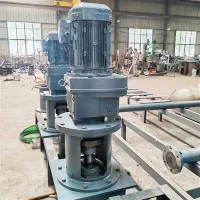
Hey there! As a supplier of Worm Gear Screw Jacks, I've seen my fair share of issues that customers run into. In this blog, I'm gonna walk you through how to troubleshoot these handy devices.
First off, let's quickly understand what a Worm Gear Screw Jack is. It's a mechanical device used to convert rotary motion into linear motion. It's got a worm gear that meshes with a worm screw, and when you turn the worm gear, the screw moves up or down. You can check out more details about it on our Worm Gear Screw Jack page.
1. Jack Won't Move
One of the most common problems is when the jack just won't budge. There could be a few reasons for this.
Mechanical Blockage
The first thing to check is if there's any mechanical blockage. Sometimes, debris or foreign objects can get stuck in the gearbox or around the screw. Take a good look at the jack, especially around the worm gear and the screw. If you see anything like dirt, small stones, or pieces of metal, carefully remove them. You can use a small brush or compressed air to clean out the hard - to - reach areas.
Lack of Lubrication
Lubrication is crucial for the smooth operation of a Worm Gear Screw Jack. If the gears and the screw aren't properly lubricated, they can bind up, making it difficult or impossible for the jack to move. Check the lubrication level. If it's low, add the appropriate lubricant as recommended by the manufacturer. Different jacks may require different types of lubricants, so make sure you use the right one.
Overloading
If the load on the jack exceeds its rated capacity, it can cause the jack to stop moving. Check the weight of the load you're trying to lift or lower. If it's too heavy, you'll need to reduce the load or use a jack with a higher capacity. You can find more information about load capacities on our Worm Screw Elevator page.
2. Unusual Noises
Hearing strange noises coming from your Worm Gear Screw Jack is a sign that something might be wrong.
Worn - Out Gears
Over time, the gears in the jack can wear out. This can cause a grinding or clicking noise. If you suspect worn - out gears, you'll need to inspect them closely. Look for signs of excessive wear, such as teeth that are chipped, broken, or have uneven surfaces. If the gears are worn beyond repair, you'll have to replace them.
Loose Components
Loose components can also create rattling or vibrating noises. Check all the bolts, nuts, and other fasteners on the jack. Make sure they're tightened properly. A loose part can not only cause noise but also lead to further damage if left unattended.
3. Inconsistent Movement
Sometimes, the jack may move in an inconsistent way. It might move smoothly for a while and then suddenly jerk or stop.
Misalignment
Misalignment of the screw or the gears can cause inconsistent movement. Check if the screw is straight and properly aligned within the housing. Also, make sure the worm gear is meshing correctly with the screw. If there's misalignment, you may need to adjust the components. However, this can be a tricky process, so if you're not confident, it's best to seek professional help.
Electrical Issues (for Powered Jacks)
If you're using a powered Worm Gear Screw Jack, electrical problems can lead to inconsistent movement. Check the power supply, cables, and switches. Look for any signs of damage, such as frayed wires or loose connections. If you find any issues, repair or replace the damaged parts.
4. Slow Movement
A Worm Gear Screw Jack that moves slower than normal can be a real pain.
Low Power Input (for Powered Jacks)
For powered jacks, a low power input can cause slow movement. Check the voltage and current of the power supply. Make sure it meets the requirements of the jack. If the power supply is weak, you may need to check the electrical circuit or use a more powerful power source.
Internal Friction
Internal friction within the jack can also slow down its movement. This can be due to factors like dirty or worn - out components. As mentioned earlier, clean the jack thoroughly and check for any worn parts that need replacement.
5. Leaking Lubricant
If you notice lubricant leaking from your Worm Gear Screw Jack, it's a problem that needs to be addressed.
Seal Damage
The most common cause of lubricant leakage is damaged seals. Seals are used to keep the lubricant inside the jack. Check the seals around the gearbox and the screw. Look for any signs of cracks, tears, or wear. If the seals are damaged, replace them with new ones.
Overfilling
Overfilling the jack with lubricant can also cause leakage. Make sure you're adding the right amount of lubricant as specified by the manufacturer.


In conclusion, troubleshooting a Worm Gear Screw Jack involves a systematic approach. By checking for common issues like mechanical blockages, lubrication problems, and component wear, you can often get your jack back in working order. However, if you're still having problems after trying these troubleshooting steps, don't hesitate to reach out. We're here to help you keep your Worm Gear Screw Jack running smoothly. Whether you need advice on repairs, replacement parts, or are looking to purchase a new jack, we're just a message away. Start a conversation with us today to discuss your needs and find the best solutions for your applications.
References:
- Industry standards and guidelines for Worm Gear Screw Jacks
- Manufacturer's manuals for various Worm Gear Screw Jack models