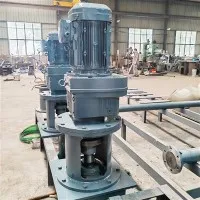
What is the axial force of a helical gear reducer?
As a supplier of helical gear reducers, I often encounter questions from customers regarding the technical aspects of our products. One of the most frequently asked questions is about the axial force of a helical gear reducer. In this blog post, I will delve into the concept of axial force, its implications for helical gear reducers, and how it affects the performance and design of these essential mechanical components.
Understanding Helical Gear Reducers
Before we discuss axial force, it's important to have a basic understanding of helical gear reducers. Helical gears are a type of cylindrical gear with teeth that are cut at an angle to the gear axis. This angled tooth design allows for smoother and quieter operation compared to spur gears, which have straight teeth. Helical gear reducers are used in a wide range of applications, including industrial machinery, conveyors, and automotive transmissions, to reduce the speed and increase the torque of a motor.
What is Axial Force?
Axial force, also known as thrust force, is a force that acts parallel to the axis of rotation of a gear or shaft. In the context of a helical gear reducer, axial force is generated due to the helical angle of the gear teeth. When a helical gear rotates, the angled teeth create a component of force that is directed along the gear axis. This axial force can have significant implications for the performance and reliability of the gear reducer.
Factors Affecting Axial Force in Helical Gear Reducers
Several factors influence the magnitude and direction of the axial force in a helical gear reducer. These factors include:
- Helical Angle: The larger the helical angle, the greater the axial force generated. A steeper helical angle results in a larger component of force acting along the gear axis.
- Load and Torque: The axial force is directly proportional to the load and torque applied to the gear reducer. Higher loads and torques will result in increased axial forces.
- Number of Teeth: The number of teeth on the gears also affects the axial force. Gears with a smaller number of teeth tend to generate higher axial forces.
- Gear Material and Geometry: The material properties and geometry of the gears, such as tooth profile and pitch, can influence the distribution of forces and the magnitude of the axial force.
Implications of Axial Force on Helical Gear Reducers
The axial force in a helical gear reducer can have several implications for its performance and reliability:
- Bearing Load: The axial force must be supported by the bearings in the gear reducer. Excessive axial force can increase the bearing load, leading to premature bearing wear and failure.
- Shaft Deflection: The axial force can cause the shafts in the gear reducer to deflect, which can affect the meshing of the gears and lead to increased noise and vibration.
- Gear Tooth Wear: Uneven distribution of axial force can result in uneven wear on the gear teeth, reducing the service life of the gears.
- Efficiency: The presence of axial force can also affect the efficiency of the gear reducer. Higher axial forces can increase the frictional losses in the system, reducing the overall efficiency.
Managing Axial Force in Helical Gear Reducers
To ensure the reliable operation of a helical gear reducer, it is essential to manage the axial force effectively. Here are some strategies for managing axial force:
- Proper Bearing Selection: Selecting the appropriate bearings that can withstand the axial force is crucial. Thrust bearings or angular contact bearings are commonly used to support the axial loads in helical gear reducers.
- Gear Design Optimization: Optimizing the gear design, such as adjusting the helical angle and tooth profile, can help reduce the axial force. This can be achieved through computer-aided design (CAD) and finite element analysis (FEA) techniques.
- Shaft and Housing Design: The shaft and housing design should be able to withstand the axial force without excessive deflection. Proper shaft diameter, support spacing, and housing stiffness are important considerations.
- Lubrication: Adequate lubrication is essential to reduce friction and wear in the gear reducer. Proper lubrication can also help dissipate the heat generated by the axial force.
Comparison with Other Types of Gear Reducers
It's worth comparing the axial force characteristics of helical gear reducers with other types of gear reducers, such as Planetary Gear Reducer and Hard Face Gear Reducer. Planetary gear reducers typically have lower axial forces compared to helical gear reducers due to their unique planetary gear arrangement. On the other hand, Hard Face Gear Reducers are designed to withstand high loads and torques, but they may also generate higher axial forces.
Applications and Considerations
Helical gear reducers are widely used in various industries, and the management of axial force is critical in different applications. For example, in automotive transmissions, axial force management is essential to ensure smooth shifting and reliable operation. In industrial machinery, such as conveyor systems and mixers, proper axial force management can prevent premature wear and failure of the gear reducer.
When selecting a helical gear reducer for a specific application, it is important to consider the axial force requirements and ensure that the gear reducer is designed to handle the expected loads and torques. Working with a reputable gear reducer supplier, like us, can help you make an informed decision and ensure that you get a high-quality product that meets your specific needs.
Conclusion
In conclusion, axial force is an important consideration in the design and operation of helical gear reducers. Understanding the factors that affect axial force and implementing appropriate strategies to manage it is crucial for ensuring the performance, reliability, and longevity of the gear reducer. As a supplier of helical gear reducers, we have the expertise and experience to help you select the right gear reducer for your application and address any concerns related to axial force.
If you are in the market for a high-quality helical gear reducer or have any questions about axial force or other technical aspects of our products, please feel free to contact us. We are committed to providing our customers with the best solutions and support for their gear reducer needs.


References
- Dudley, D. W. (1962). Gear Handbook. McGraw-Hill.
- Buckingham, E. (1949). Analytical Mechanics of Gears. McGraw-Hill.
- Townsend, D. P. (1992). Dudley's Gear Handbook (2nd ed.). McGraw-Hill.