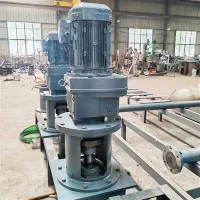
As a seasoned gear reducer supplier, I've witnessed firsthand the challenges that excessive noise from gear reducers can pose to various industries. Noise not only affects the working environment but can also indicate potential mechanical issues that may lead to premature wear and reduced efficiency. In this blog, I'll share some effective strategies on how to reduce the noise of a gear reducer, drawing on my years of experience in the field.
Understanding the Sources of Gear Reducer Noise
Before delving into the solutions, it's crucial to understand the common sources of noise in gear reducers. The primary causes include:
- Gear Mesh Noise: This is the most common source of noise in gear reducers. It occurs when the teeth of two gears come into contact and disengage during operation. The impact and friction between the gear teeth generate vibrations, which are then transmitted through the housing and into the surrounding environment.
- Bearing Noise: Bearings support the rotating shafts in a gear reducer and can also be a significant source of noise. Worn or damaged bearings can produce a high-pitched whining or grinding noise, especially when the reducer is under load.
- Housing Vibration: The housing of a gear reducer can vibrate due to the dynamic forces generated by the gears and bearings. These vibrations can radiate noise into the environment, especially if the housing is not properly designed or mounted.
- Lubrication Issues: Insufficient or improper lubrication can increase friction between the gear teeth and bearings, leading to increased noise and wear. In addition, contaminated lubricants can also cause noise by introducing abrasive particles into the system.
Strategies for Reducing Gear Reducer Noise
1. Select the Right Gear Type
The type of gears used in a gear reducer can have a significant impact on noise levels. For example, Helical Gear Reducer generally produce less noise than spur gears because the helical teeth engage gradually, reducing the impact and vibration during meshing. Similarly, Planetary Gear Reducer are known for their quiet operation due to their multiple gear meshes and balanced design.
2. Optimize Gear Design
Proper gear design is essential for reducing noise. This includes factors such as tooth profile, pitch, and backlash. For example, using a modified tooth profile, such as a tip relief or root fillet, can reduce the impact forces during gear meshing and minimize noise. Additionally, ensuring the correct pitch and backlash between the gears can also help to reduce noise and improve efficiency.
3. Improve Bearing Selection and Installation
Choosing high-quality bearings and installing them correctly is crucial for reducing bearing noise. This includes selecting bearings with the appropriate load capacity, speed rating, and lubrication requirements. In addition, proper installation techniques, such as ensuring the correct preload and alignment, can also help to reduce bearing noise and extend their service life.
4. Enhance Housing Design and Mounting
The design and mounting of the gear reducer housing can also have a significant impact on noise levels. A well-designed housing should be rigid enough to minimize vibration and provide adequate support for the gears and bearings. Additionally, using vibration-damping materials, such as rubber mounts or isolators, can help to reduce the transmission of vibrations from the housing to the surrounding environment.


5. Ensure Proper Lubrication
Proper lubrication is essential for reducing friction and wear between the gear teeth and bearings, which can help to reduce noise. This includes using the correct type and viscosity of lubricant, as well as ensuring that the lubricant is changed regularly. In addition, using a lubricant with anti-wear and anti-foaming additives can also help to reduce noise and improve the performance of the gear reducer.
6. Implement Noise Reduction Measures
In some cases, additional noise reduction measures may be required to meet the specific noise requirements of a particular application. This can include using sound insulation materials, such as acoustic blankets or enclosures, to reduce the noise radiated from the gear reducer. Additionally, using vibration absorbers or dampers can also help to reduce the vibration and noise generated by the gear reducer.
Case Studies
To illustrate the effectiveness of these strategies, let's take a look at a few case studies:
Case Study 1: A Manufacturing Plant
A manufacturing plant was experiencing excessive noise from their gear reducers, which was causing discomfort to the workers and affecting the overall productivity of the plant. After conducting a thorough analysis, it was determined that the main source of noise was the gear mesh. To reduce the noise, the plant replaced the existing spur gears with Helical Gear Reducer. In addition, they optimized the gear design and improved the lubrication system. As a result, the noise levels were significantly reduced, and the workers reported a more comfortable working environment.
Case Study 2: A Robotics Application
A robotics company was developing a new robot that required a quiet and efficient gear reducer. To meet these requirements, the company selected a Planetary Gear Reducer due to its compact size and quiet operation. In addition, they optimized the gear design and used high-quality bearings and lubricants. As a result, the gear reducer was able to meet the noise and performance requirements of the robot, and the company was able to successfully launch their product in the market.
Conclusion
Reducing the noise of a gear reducer is a complex but achievable goal. By understanding the sources of noise and implementing the appropriate strategies, such as selecting the right gear type, optimizing gear design, improving bearing selection and installation, enhancing housing design and mounting, ensuring proper lubrication, and implementing noise reduction measures, it is possible to significantly reduce the noise levels of a gear reducer and improve its performance and reliability.
If you're looking for a high-quality gear reducer that meets your specific noise requirements, please don't hesitate to contact us. Our team of experts can help you select the right gear reducer for your application and provide you with the support and guidance you need to ensure its successful operation.
References
- Budynas, R. G., & Nisbett, J. K. (2011). Shigley's Mechanical Engineering Design. McGraw-Hill.
- Dudley, D. W. (1994). Gear Handbook: Design, Manufacturing, and Applications. McGraw-Hill.
- Mott, R. L. (2007). Machine Elements in Mechanical Design. Pearson Prentice Hall.