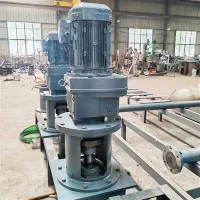
Side entry mixers are essential equipment in various industrial processes, such as in the chemical, food, and wastewater treatment industries. As a supplier of side entry mixers, I understand the importance of proper maintenance to ensure the longevity and efficient operation of these machines. In this blog post, I will discuss the maintenance procedures for side entry mixers, which will help you keep your equipment in top - notch condition.


Regular Visual Inspections
The first step in maintaining side entry mixers is conducting regular visual inspections. These inspections should be carried out at least once a week, depending on the intensity of the mixer's use.
During a visual inspection, start by checking the exterior of the mixer. Look for any signs of physical damage, such as cracks, dents, or corrosion on the housing. Corrosion can weaken the structure of the mixer and lead to leaks or mechanical failures. If you notice any corrosion, it is important to address it promptly. You can use anti - corrosion coatings to protect the affected areas.
Next, examine the impeller. The impeller is a crucial part of the side entry mixer as it is responsible for creating the mixing action. Check for any signs of wear, such as bent or chipped blades. A damaged impeller can cause uneven mixing and reduce the efficiency of the mixer. If the impeller is severely damaged, it may need to be replaced. You can refer to our Side Entry Agitator page for information on replacement parts.
Inspect the shaft of the mixer as well. The shaft should be straight and free from any signs of misalignment. Misaligned shafts can cause excessive vibration, which can damage the bearings and other components of the mixer. If you suspect shaft misalignment, it is advisable to use precision alignment tools to correct it.
Lubrication
Proper lubrication is vital for the smooth operation of side entry mixers. The bearings and gears in the mixer require lubrication to reduce friction and prevent wear.
The type of lubricant used depends on the specific requirements of the mixer. Consult the manufacturer's manual to determine the appropriate lubricant for your side entry mixer. Generally, high - quality synthetic lubricants are recommended as they offer better performance and longer service life.
The frequency of lubrication also varies depending on the operating conditions of the mixer. In normal operating conditions, lubrication may be required every three to six months. However, in harsh environments or high - load applications, more frequent lubrication may be necessary.
When lubricating the mixer, make sure to apply the lubricant evenly. Over - lubrication can be just as harmful as under - lubrication, as it can cause the accumulation of dirt and debris, leading to clogging and increased wear.
Seal Maintenance
The seals in side entry mixers play a crucial role in preventing leakage of the process fluid. There are different types of seals used in side entry mixers, such as mechanical seals and gland packing seals.
Regularly check the seals for any signs of leakage. A small leak can quickly turn into a major problem if not addressed promptly. If you notice any leakage, inspect the seals for damage. Worn - out seals may need to be replaced.
For mechanical seals, proper installation is key to their performance. Make sure that the mechanical seals are installed according to the manufacturer's instructions. Also, keep the seal faces clean and free from debris. You can use a mild cleaning solution to clean the seal faces during maintenance.
Gland packing seals require periodic adjustment. Over time, the packing material may compress, and the seal may start to leak. Adjust the gland packing to maintain the proper sealing pressure. However, be careful not to overtighten the gland packing, as this can cause excessive friction and damage the shaft.
Motor Maintenance
The motor is the power source of the side entry mixer, and its proper maintenance is essential for the overall performance of the mixer.
Check the motor's electrical connections regularly. Loose or corroded connections can cause electrical problems, such as overheating and reduced motor efficiency. Tighten any loose connections and clean any corroded terminals.
Monitor the motor's temperature during operation. An overheating motor can indicate a problem, such as a faulty cooling system or excessive load. If the motor temperature is too high, stop the mixer immediately and investigate the cause.
Inspect the motor's cooling system, such as the fans and heat sinks. Make sure that they are clean and free from blockages. A blocked cooling system can prevent proper heat dissipation, leading to motor damage.
Vibration Analysis
Vibration analysis is a valuable tool for detecting potential problems in side entry mixers. Excessive vibration can be a sign of various issues, such as misalignment, unbalanced impellers, or worn - out bearings.
Use vibration sensors to monitor the vibration levels of the mixer during operation. Compare the vibration data with the baseline values provided by the manufacturer. If the vibration levels exceed the normal range, it is necessary to conduct a detailed inspection to identify the source of the problem.
Addressing vibration issues promptly can prevent further damage to the mixer and reduce the risk of unexpected breakdowns.
Training for Operators
Proper training for operators is an important aspect of side entry mixer maintenance. Operators should be trained on how to operate the mixer correctly, including starting and stopping procedures, adjusting the speed, and monitoring the operating parameters.
They should also be educated on the importance of regular maintenance and how to perform basic maintenance tasks, such as visual inspections and lubrication. Well - trained operators can detect early signs of problems and take appropriate action, which can save time and money in the long run.
Record - Keeping
Maintaining detailed records of the maintenance activities for side entry mixers is crucial. Keep track of all inspections, lubrication, seal replacements, and motor repairs. These records can help you identify trends, such as recurring problems or the need for more frequent maintenance in certain operating conditions.
By analyzing the maintenance records, you can develop a more effective maintenance schedule and make informed decisions about equipment replacement or upgrades.
Conclusion
Proper maintenance of side entry mixers is essential for their efficient and reliable operation. By following the maintenance procedures outlined in this blog post, including regular visual inspections, lubrication, seal maintenance, motor maintenance, vibration analysis, operator training, and record - keeping, you can extend the service life of your side entry mixers and reduce the risk of unexpected breakdowns.
If you are in need of side entry mixers or replacement parts, or if you have any questions about mixer maintenance, please feel free to contact us. We are a leading supplier of side entry mixers, and our team of experts is ready to assist you with your procurement and maintenance needs. You can also explore our other products such as Dissolving Kettle Agitator and Submersible Mixer on our website.
References
- Manufacturer's manuals for side entry mixers
- Industry standards and guidelines for mixer maintenance
- Technical papers on mixer operation and maintenance