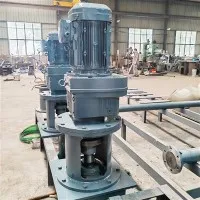
Hey there! I'm a supplier of Cubic Screw Jacks, and I know that transporting these heavy - duty tools safely is super important. In this blog, I'll share some tips on how to transport a cubic screw jack safely.
1. Pre - transport Inspection
Before you even think about moving your cubic screw jack, you've got to give it a thorough check. First off, look for any visible damage on the jack itself. Check the body for cracks, dents, or any signs of wear and tear. The screw mechanism is the heart of the jack, so make sure it's in good working order. There shouldn't be any loose parts or excessive play in the screw.
Inspect the base and the top plate of the jack. These are the parts that bear the load, so they need to be in top - notch condition. If you notice any issues during this inspection, it's better to fix them before transporting. A damaged jack can not only pose a safety risk during transport but also might not work properly when you need it.
2. Cleaning the Jack
A clean jack is not only easier to handle but also less likely to cause problems during transport. Use a clean cloth to wipe off any dirt, grease, or debris from the surface of the jack. Pay special attention to the screw area, as any foreign particles can get stuck in the threads and damage them.
If there's stubborn grease or dirt, you can use a mild degreaser. Just make sure to rinse it off thoroughly and dry the jack completely. This will prevent rusting during transport, especially if the jack is made of metal.
3. Disassembly (if necessary)
Some cubic screw jacks can be disassembled for easier transport. If your jack has this option, it's a good idea to take it apart. But be careful! Make sure you keep all the parts together. You can use small bags or containers to store the screws, nuts, and other small components. Label each bag so you know exactly where each part goes when it's time to reassemble.
When disassembling, follow the manufacturer's instructions carefully. Some parts might be delicate or require special tools for removal. If you're not confident about disassembling the jack, it's better to leave it intact and focus on other transport methods.
4. Securing the Screw
The screw of the cubic screw jack is a crucial part, and it needs to be secured properly during transport. You can use a locking mechanism if the jack has one. This will prevent the screw from turning or moving around, which could cause damage to the threads or other parts of the jack.
If there's no locking mechanism, you can use a strap or a rope to tie the screw in place. Make sure it's tight enough to hold the screw still but not so tight that it damages the threads.
5. Packaging
Once the jack is clean, inspected, and (if disassembled) all parts are accounted for, it's time to package it. You can use a sturdy cardboard box or a wooden crate, depending on the size and weight of the jack.
Line the inside of the box or crate with padding material like foam, bubble wrap, or packing peanuts. This will absorb any shocks or vibrations during transport. Place the jack in the center of the packaging and surround it with more padding. Make sure the jack is held firmly in place and can't move around inside the box.
If you've disassembled the jack, place all the parts in the box in an organized way. You can use dividers or compartments to keep the parts separated and prevent them from banging into each other.
6. Choosing the Right Transport Method
There are several options for transporting a cubic screw jack. The choice depends on the size, weight, and distance of the transport.
Local Transport
If you're transporting the jack locally, you can use a pickup truck or a van. Make sure the vehicle has a flat and stable surface to place the jack. Secure the packaged jack to the vehicle using straps or ropes to prevent it from sliding or tipping over during the journey.
Long - distance Transport
For long - distance transport, you might want to consider using a freight service. Look for a reliable freight company that has experience in transporting heavy and bulky items. Provide them with all the necessary information about the jack, such as its weight, dimensions, and any special handling requirements.
When using a freight service, make sure the jack is properly insured. This will protect you in case of any damage during transit.
7. Loading and Unloading
Loading and unloading the jack is a critical step. Always use proper lifting equipment, such as a forklift or a hoist, if the jack is too heavy to lift manually. If you need to lift it by hand, make sure you use proper lifting techniques. Bend your knees, keep your back straight, and lift with your legs.
When loading the jack onto a vehicle or a freight container, place it carefully. Avoid dropping or throwing the jack, as this can cause damage. When unloading, follow the same safety procedures.
8. Protecting Against Environmental Factors
During transport, the jack can be exposed to various environmental factors like moisture, extreme temperatures, and sunlight. If you're transporting the jack in a vehicle, make sure it's protected from rain or snow. You can cover the jack with a waterproof tarp.
Extreme temperatures can also affect the performance of the jack. If it's too hot, the metal parts can expand, and if it's too cold, they can contract. Try to keep the jack in a temperature - controlled environment as much as possible.
Sunlight can cause the paint or coating on the jack to fade or crack. If the jack is going to be exposed to sunlight for a long time, use a UV - resistant cover.
9. Using Proper Straps and Fasteners
When securing the jack in the vehicle or container, use high - quality straps and fasteners. Nylon straps are a popular choice as they are strong and flexible. Make sure the straps are tightened properly so the jack doesn't move around.
Check the straps regularly during transport to make sure they haven't loosened. If you notice any signs of wear or damage on the straps, replace them immediately.
10. Documentation
Keep all the necessary documentation with you during transport. This includes the user manual, warranty information, and any inspection reports. In case of any issues during transport or when the jack arrives at its destination, having this documentation will make it easier to resolve the problems.
11. Different Types of Cubic Screw Jacks and Their Transport Considerations
There are various types of cubic screw jacks, such as Motorized Screw Jack, Small Electric Screw Jack, and Stainless Steel Jack.
- Motorized Screw Jack: These jacks have an electric motor, which adds an extra layer of complexity during transport. Make sure to disconnect the power source before transport. The motor should be protected from shocks and vibrations, as any damage to it can render the jack useless.
- Small Electric Screw Jack: Due to their smaller size, they are generally easier to transport. However, they still need to be handled with care. The electrical components should be protected from moisture and physical damage.
- Stainless Steel Jack: Stainless steel is resistant to rust, but it can still be scratched or dented during transport. Use extra padding to protect the surface of the jack and prevent any cosmetic damage.
Contact for Purchase and Consultation
If you're interested in purchasing a cubic screw jack or have any questions about their transport or usage, feel free to reach out. We're here to help you make the best choice for your needs. Whether you need a small electric jack for a DIY project or a heavy - duty motorized jack for industrial use, we've got you covered.


References
- "Screw Jack Handbook" - Manufacturer's guide on screw jacks.
- Industry safety standards for transporting heavy equipment.