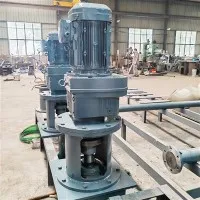
As a seasoned supplier of propeller agitators, I've witnessed firsthand the pivotal role these devices play across diverse industries. From chemical processing to wastewater treatment, propeller agitators are indispensable for ensuring efficient mixing and blending operations. However, like any industrial equipment, they come with associated maintenance costs that can significantly impact a company's bottom line. In this blog, I'll delve into the various factors that contribute to the maintenance costs of a propeller agitator and offer insights on how to manage them effectively.
1. Wear and Tear of Components
One of the primary drivers of maintenance costs for propeller agitators is the wear and tear of components over time. The propeller blades, shaft, bearings, and seals are particularly susceptible to damage due to continuous operation in often harsh environments.
- Propeller Blades: The blades are the most critical part of the agitator, responsible for generating the mixing action. They are subject to erosion, corrosion, and mechanical stress, especially when dealing with abrasive or corrosive materials. For instance, in a chemical processing plant where the agitator is used to mix highly acidic solutions, the blades may corrode rapidly, leading to reduced efficiency and potential failure. Replacing worn-out blades can be costly, especially if they are custom-designed or made from specialized materials. Check out our Four Blade Propeller Agitator for a high - performance option.
- Shaft: The shaft transfers the power from the motor to the propeller blades. It can experience bending, torsion, and fatigue, especially if the agitator is operating under heavy loads or if there is misalignment. A damaged shaft can cause vibrations, which not only affect the mixing performance but also put additional stress on other components. Repairing or replacing a shaft can be a complex and expensive process, often requiring specialized equipment and expertise.
- Bearings and Seals: Bearings support the shaft and allow it to rotate smoothly, while seals prevent the leakage of the process fluid. Both are essential for the proper functioning of the agitator. Over time, bearings can wear out due to friction, and seals can degrade due to chemical exposure or mechanical stress. Faulty bearings can lead to increased energy consumption and premature failure of the shaft, while leaking seals can contaminate the surrounding environment and cause safety hazards. Regular inspection and replacement of bearings and seals are necessary to avoid costly breakdowns.
2. Energy Consumption
Another significant cost associated with propeller agitators is energy consumption. The power required to operate an agitator depends on several factors, including the size of the tank, the viscosity of the fluid, the speed of the propeller, and the design of the agitator.
- Inefficient Design: An agitator with an inefficient design may require more power to achieve the desired mixing results. For example, a propeller with the wrong pitch or blade shape may not be able to generate sufficient turbulence, leading to longer mixing times and higher energy consumption. Investing in a well - designed agitator can help reduce energy costs in the long run. Our Dissolving Kettle Agitator is engineered for optimal energy efficiency.
- Motor Maintenance: The motor is the power source of the agitator, and its proper maintenance is crucial for energy efficiency. A motor that is not properly lubricated, has loose connections, or is overloaded can consume more energy than necessary. Regular motor maintenance, such as checking the insulation resistance, cleaning the windings, and adjusting the belt tension, can help ensure that the motor operates at peak efficiency.
3. Maintenance Labor
The cost of labor for maintaining propeller agitators can also be substantial. Skilled technicians are required to perform regular inspections, preventive maintenance, and repairs.
- Regular Inspections: Regular inspections are necessary to detect potential problems early and prevent them from escalating into major breakdowns. Technicians need to check the condition of the components, measure the vibrations, and monitor the performance of the agitator. These inspections typically involve disassembling parts of the agitator, which can be time - consuming and labor - intensive.
- Preventive Maintenance: Preventive maintenance tasks, such as lubricating the bearings, tightening the bolts, and replacing the seals, need to be performed at regular intervals to ensure the reliable operation of the agitator. The frequency of preventive maintenance depends on the operating conditions and the manufacturer's recommendations.
- Repairs: When a component fails, repairs need to be carried out promptly to minimize downtime. Complex repairs, such as replacing a damaged shaft or a propeller blade, may require specialized skills and equipment. In some cases, it may be necessary to send the agitator to a repair facility, which can incur additional transportation costs.
4. Environmental and Safety Compliance
Propeller agitators are often used in industries where environmental and safety regulations are strict. Ensuring compliance with these regulations can add to the maintenance costs.
- Emission Control: In some applications, the agitator may generate dust, fumes, or noise. To comply with environmental regulations, appropriate emission control measures need to be implemented, such as installing dust collectors, fume extractors, or noise - reducing enclosures. These measures require additional equipment and maintenance.
- Safety Features: Safety features, such as emergency stop buttons, overload protection, and guarding, need to be regularly inspected and maintained to ensure the safety of the operators. Faulty safety features can pose a significant risk of accidents, and non - compliance with safety regulations can result in hefty fines.
Strategies to Manage Maintenance Costs
While the maintenance costs of propeller agitators can be significant, there are several strategies that companies can adopt to manage them effectively.
- Proactive Maintenance Planning: Develop a comprehensive maintenance plan based on the manufacturer's recommendations and the operating conditions of the agitator. This plan should include regular inspections, preventive maintenance tasks, and a schedule for component replacement. By identifying and addressing potential problems early, you can avoid costly breakdowns and extend the lifespan of the agitator.
- Invest in Quality Equipment: Choosing a high - quality propeller agitator from a reputable manufacturer can reduce maintenance costs in the long run. Quality equipment is typically more durable, reliable, and energy - efficient, and it often comes with better warranties and after - sales support. Consider our Dosing Mixer JB High - speed Submerged Mixer Side - entry Mixer Supply Starch Milk Environmentally Friendly Mixer, which is designed for reliable performance and low maintenance.
- Employee Training: Provide your employees with proper training on the operation and maintenance of the propeller agitators. Well - trained employees are more likely to detect potential problems early and perform preventive maintenance tasks correctly. They can also operate the agitators more efficiently, reducing energy consumption and wear and tear.
Conclusion
The maintenance costs of propeller agitators are influenced by a variety of factors, including wear and tear of components, energy consumption, maintenance labor, and environmental and safety compliance. By understanding these factors and implementing effective maintenance strategies, companies can manage these costs and ensure the reliable and efficient operation of their agitators.
If you're in the market for a propeller agitator or need advice on managing the maintenance costs of your existing equipment, we're here to help. Our team of experts has extensive experience in the industry and can provide you with customized solutions to meet your specific needs. Contact us to start a conversation about your procurement requirements and let's explore how we can work together to optimize your mixing operations.


References
- "Industrial Mixing: Science and Practice" by Edward L. Paul, Victor A. Atiemo - Obeng, and Suzanne M. Kresta.
- Manufacturer's manuals and technical documentation for propeller agitators.