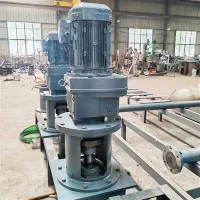
As a scraper reducer supplier, I've seen firsthand how crucial data validation is for these machines. Scraper reducers are used in various industries, from wastewater treatment to mining, and accurate data is essential for their proper operation. In this blog post, I'll share some of the data validation methods we use to ensure the reliability and efficiency of our scraper reducers.
1. Range Checking
One of the simplest yet most effective data validation methods is range checking. Every parameter in a scraper reducer, such as temperature, pressure, and speed, has a normal operating range. By setting upper and lower limits for these parameters, we can quickly identify if a reading is out of the ordinary.
For example, the operating temperature of a scraper reducer should typically be between 30°C and 80°C. If the temperature sensor reports a reading of 100°C, it's a clear sign that something is wrong. This could be due to a malfunctioning cooling system, excessive load, or other issues. By catching these abnormal readings early, we can prevent potential damage to the reducer and avoid costly downtime.
2. Consistency Checking
Consistency checking involves comparing different data points to ensure they are in agreement. In a scraper reducer, there are often multiple sensors measuring related parameters. For instance, the power consumption of the motor should be consistent with the speed and torque of the reducer.
If the power consumption suddenly increases while the speed remains the same, it could indicate a problem with the motor or the mechanical components of the reducer. Similarly, the pressure readings from different parts of the hydraulic system should be consistent with each other. Any significant discrepancies could point to a leak or a blockage in the system.
3. Historical Data Comparison
Another useful data validation method is to compare current data with historical data. Over time, we collect a large amount of data on the performance of our scraper reducers. By analyzing this historical data, we can establish normal patterns and trends.
For example, we can create a baseline for the vibration levels of a particular model of scraper reducer under normal operating conditions. If the current vibration levels deviate significantly from this baseline, it could be a sign of wear and tear, misalignment, or other mechanical problems. By comparing current data with historical data, we can detect these issues early and take proactive measures to address them.
4. Cross - Validation with Other Systems
In many industrial settings, scraper reducers are part of a larger system. Cross - validation involves comparing the data from the scraper reducer with the data from other related systems.
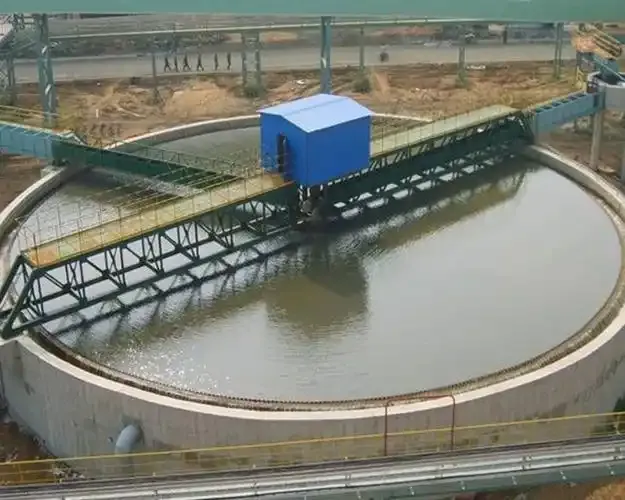
For example, in a Centrally - driven Thickener, the performance of the scraper reducer should be consistent with the level of the thickener and the flow rate of the incoming slurry. If the level of the thickener is rising while the scraper reducer is operating at normal speed, it could indicate a problem with the slurry feed or the discharge system.
Similarly, in a Sludge Scraper For Sewage Treatment, the data from the scraper reducer can be cross - validated with the data from the sewage treatment process, such as the chemical dosage and the quality of the treated water.
5. Statistical Analysis
Statistical analysis can be a powerful tool for data validation. By applying statistical techniques such as mean, median, standard deviation, and probability distributions, we can identify outliers and anomalies in the data.
For example, we can calculate the mean and standard deviation of the temperature readings of a scraper reducer over a period of time. Any reading that is more than a certain number of standard deviations away from the mean can be considered an outlier. These outliers could be due to measurement errors, sensor malfunctions, or actual problems with the reducer.
We can also use statistical process control (SPC) charts to monitor the performance of the scraper reducer over time. SPC charts can help us detect trends and patterns in the data, such as gradual changes in the operating parameters or sudden shifts in the performance.
6. Sensor Calibration and Verification
The accuracy of the data collected from sensors is crucial for data validation. Therefore, regular calibration and verification of sensors are essential. Sensors can drift over time, leading to inaccurate readings.
We have a strict sensor calibration schedule in place for all our scraper reducers. During calibration, we compare the sensor readings with a known standard to ensure they are accurate. If a sensor is found to be out of calibration, we adjust it or replace it as necessary.
In addition to calibration, we also perform verification checks on the sensors during normal operation. This involves comparing the readings from multiple sensors or using alternative methods to confirm the accuracy of the data.
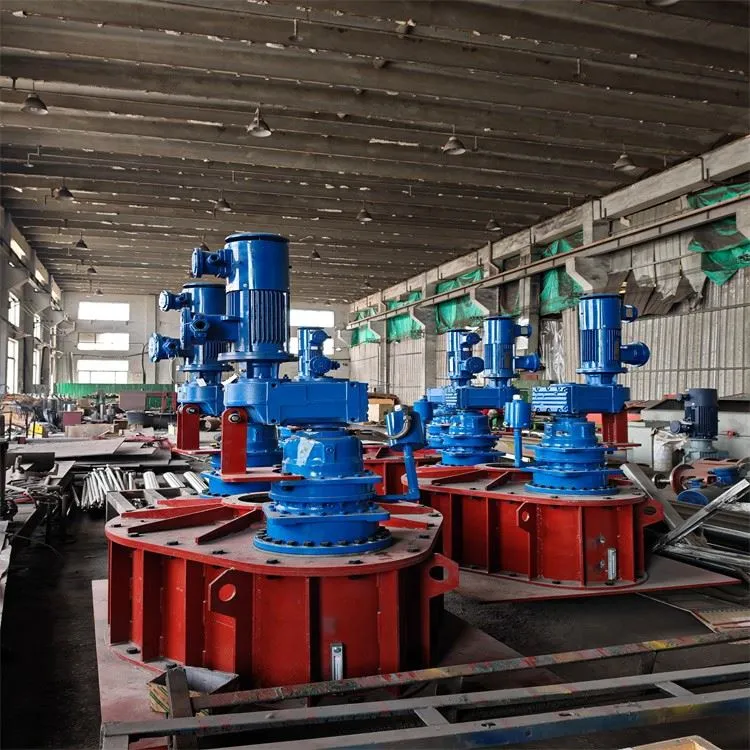
Why Data Validation Matters for Scraper Reducers
Proper data validation is not just about ensuring the accuracy of the data. It has several important benefits for the operation of scraper reducers:
- Improved Reliability: By detecting and addressing potential problems early, data validation helps to improve the reliability of the scraper reducers. This reduces the risk of unexpected breakdowns and downtime, which can have a significant impact on productivity.
- Enhanced Efficiency: Accurate data allows us to optimize the operation of the scraper reducers. By monitoring the performance parameters, we can adjust the operating conditions to achieve the best efficiency, such as reducing energy consumption and minimizing wear and tear.
- Cost Savings: Preventing damage to the scraper reducers through early detection of problems can save a lot of money in terms of repair costs and replacement parts. In addition, reducing downtime can also increase the overall productivity of the system, leading to cost savings in the long run.
Contact Us for Your Scraper Reducer Needs
If you're in the market for high - quality scraper reducers or need more information about our data validation methods, we'd love to hear from you. Our team of experts is always ready to assist you with your specific requirements. Whether you're looking for a Center Drive Thickener Reducer or a sludge scraper for sewage treatment, we have the right solution for you. Contact us today to start the procurement process and let's work together to find the best scraper reducer for your application.
References
- "Industrial Automation: Sensor Technology and Applications"
- "Data Analysis for Process Control in Manufacturing"
- "Mechanical Engineering Handbook: Rotating Machinery"