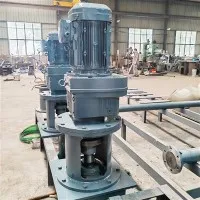
Backlash in a ball screw elevator can significantly affect its performance, accuracy, and overall efficiency. As a leading supplier of ball screw elevators, we understand the importance of minimizing backlash to ensure optimal operation of these critical components. In this blog post, we'll explore various strategies and techniques to reduce backlash in ball screw elevators, helping you make the most of your equipment.
Understanding Backlash in Ball Screw Elevators
Before delving into the methods of reducing backlash, it's essential to understand what backlash is and how it occurs in ball screw elevators. Backlash refers to the clearance or play between the ball screw and the nut in a ball screw elevator. When the direction of motion changes, this clearance allows for a small amount of free movement before the load is transferred, resulting in a delay or inaccuracy in positioning.
Several factors can contribute to backlash in ball screw elevators, including manufacturing tolerances, wear and tear, improper installation, and the design of the ball screw and nut assembly. Over time, as the components wear, the backlash can increase, leading to reduced precision and performance.


Selecting the Right Ball Screw and Nut Assembly
One of the most effective ways to reduce backlash in a ball screw elevator is to select the right ball screw and nut assembly from the start. High-quality components with tight manufacturing tolerances can minimize the initial clearance between the ball screw and the nut, reducing backlash.
When choosing a ball screw and nut assembly, consider the following factors:
- Accuracy Class: Select a ball screw with a higher accuracy class to ensure tighter tolerances and reduced backlash. Higher accuracy classes typically have smaller lead errors and better positioning accuracy.
- Preload: Preloading the ball screw and nut assembly can eliminate or significantly reduce backlash. Preload is applied by adjusting the position of the nut relative to the ball screw, creating a slight interference fit that eliminates the clearance between the balls and the raceways.
- Ball Size and Number: The size and number of balls in the ball screw and nut assembly can also affect backlash. Larger balls and a higher number of balls can provide better load distribution and reduce backlash.
We offer a range of high-quality ball screw and nut assemblies, including the High Performance Screw Jack and the JWB Series Ball Screw Jack, which are designed to minimize backlash and provide precise positioning.
Proper Installation and Alignment
Proper installation and alignment of the ball screw elevator are crucial for reducing backlash. Incorrect installation can cause misalignment between the ball screw and the nut, leading to increased backlash and premature wear.
Here are some key installation and alignment tips:
- Base Mounting: Ensure that the ball screw elevator is securely mounted to a rigid base to prevent vibrations and misalignment. Use appropriate mounting hardware and follow the manufacturer's installation instructions.
- Shaft Alignment: Align the ball screw shaft with the motor shaft and other components to ensure smooth and efficient operation. Use alignment tools such as laser alignment systems to achieve accurate alignment.
- Lubrication: Proper lubrication of the ball screw and nut assembly is essential for reducing friction and wear, which can contribute to backlash. Use the recommended lubricant and follow the manufacturer's lubrication schedule.
Regular Maintenance and Inspection
Regular maintenance and inspection of the ball screw elevator can help detect and address backlash issues before they become significant problems. By monitoring the performance of the elevator and performing routine maintenance tasks, you can extend the lifespan of the components and ensure optimal operation.
Here are some maintenance and inspection tasks to consider:
- Visual Inspection: Regularly inspect the ball screw and nut assembly for signs of wear, damage, or contamination. Look for worn ball tracks, loose balls, or signs of corrosion.
- Backlash Measurement: Periodically measure the backlash of the ball screw elevator using a dial indicator or other appropriate measuring tool. Compare the measured backlash to the manufacturer's specifications to determine if any adjustments are necessary.
- Lubrication Check: Check the lubrication level and condition of the ball screw and nut assembly regularly. Top up the lubricant as needed and replace it if it becomes contaminated or degraded.
- Component Replacement: If the ball screw or nut assembly shows signs of excessive wear or damage, replace the components promptly to prevent further problems.
Using Anti-Backlash Devices
In some cases, it may be necessary to use anti-backlash devices to reduce backlash in a ball screw elevator. Anti-backlash devices are designed to eliminate or minimize the clearance between the ball screw and the nut, providing more precise positioning and improved performance.
There are several types of anti-backlash devices available, including:
- Spring-Loaded Nuts: Spring-loaded nuts use a spring mechanism to apply a constant force to the nut, eliminating the clearance between the balls and the raceways. This helps to reduce backlash and improve positioning accuracy.
- Dual Nut Systems: Dual nut systems use two nuts that are preloaded against each other to eliminate backlash. The two nuts are adjusted so that they are in contact with the ball screw at all times, providing a more rigid and precise connection.
- Backlash Elimination Kits: Backlash elimination kits are available for some ball screw elevators and can be installed to reduce backlash. These kits typically include components such as shims, springs, or adjustable nuts that can be used to adjust the preload and eliminate clearance.
Conclusion
Reducing backlash in a ball screw elevator is essential for achieving precise positioning, improving performance, and extending the lifespan of the components. By selecting the right ball screw and nut assembly, ensuring proper installation and alignment, performing regular maintenance and inspection, and using anti-backlash devices when necessary, you can minimize backlash and optimize the operation of your ball screw elevator.
As a trusted supplier of ball screw elevators, we are committed to providing high-quality products and expert advice to help you achieve the best results. If you have any questions or need assistance in reducing backlash in your ball screw elevator, please don't hesitate to contact us. We'll be happy to discuss your specific requirements and recommend the most suitable solutions for your application.
References
- "Ball Screw Handbook," Thomson Industries, Inc.
- "Precision Ball Screws: Design and Application," Kollmorgen Corporation.
- "Motion Control Basics," Parker Hannifin Corporation.