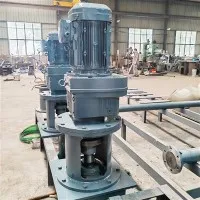
Hey there! As a ball screw jack supplier, I know how crucial it is to have high positional accuracy in these devices. Whether you're using them in industrial machinery, automation systems, or any other application, getting that precise positioning can make a world of difference. So, let's dive into some ways to improve the positional accuracy of a ball screw jack.


1. Choose the Right Ball Screw Jack
First things first, picking the appropriate ball screw jack for your specific needs is super important. You don't want to use a jack that's too small or too big for the job. There are different types and models out there, each with its own capabilities.
We offer a range of high - quality ball screw jacks, like our High Performance Screw Jack. These are designed to provide excellent performance and accuracy. They're built with high - quality materials and advanced manufacturing techniques, which can significantly improve the positional accuracy.
Another option is our High Quality Ball Screw Jack. These jacks are known for their durability and precision. They're suitable for a wide range of applications, from light - duty to heavy - duty tasks. And if you're looking for something more hands - on, our Manual Ball Screw Jack might be the right choice. It gives you direct control over the movement, which can be great for achieving accurate positioning in some cases.
2. Proper Installation
Once you've chosen the right ball screw jack, proper installation is key. A poorly installed jack can lead to all sorts of problems, including inaccurate positioning.
Make sure to follow the manufacturer's installation instructions carefully. The base of the jack needs to be mounted on a flat and stable surface. Any unevenness in the mounting surface can cause the jack to tilt or shift during operation, which will affect its accuracy.
Also, pay attention to the alignment of the ball screw. Misaligned screws can cause excessive wear and tear, as well as inaccurate movement. Use alignment tools to ensure that the screw is perfectly straight and in the right position. This might seem like a small detail, but it can have a huge impact on the positional accuracy of the jack.
3. Regular Maintenance
Maintenance is an ongoing process that can't be ignored if you want to keep your ball screw jack performing at its best. Regular maintenance helps to identify and fix any potential issues before they become major problems.
One of the most important aspects of maintenance is lubrication. The ball bearings and the screw need to be properly lubricated to reduce friction. Friction can cause heat build - up, which not only affects the efficiency of the jack but also its positional accuracy. Use a high - quality lubricant recommended by the manufacturer, and make sure to lubricate the jack at the recommended intervals.
Inspect the jack regularly for signs of wear and tear. Check the ball bearings, the screw, and the housing for any damage or excessive wear. If you notice any issues, replace the worn - out parts immediately. Worn parts can cause the jack to move erratically, leading to inaccurate positioning.
4. Control Systems
Using a good control system can greatly improve the positional accuracy of a ball screw jack. There are different types of control systems available, depending on your specific requirements.
For example, a servo - controlled system can provide very precise control over the movement of the jack. It can adjust the speed and position of the jack based on feedback from sensors. This means that you can achieve very accurate positioning, even in complex applications.
Another option is a programmable logic controller (PLC). A PLC can be programmed to control the jack's movement according to a specific sequence or set of instructions. This is useful for applications where you need to repeat the same movement multiple times with high accuracy.
5. Environmental Factors
Don't forget about the environmental factors that can affect the positional accuracy of a ball screw jack. Temperature, humidity, and dust can all have an impact on the performance of the jack.
In high - temperature environments, the materials in the jack can expand, which can cause changes in the dimensions and affect the accuracy. On the other hand, in cold temperatures, the materials can contract. Try to keep the operating environment within the recommended temperature range for the jack.
Humidity can cause corrosion, especially in the metal parts of the jack. This can lead to wear and tear and affect the movement of the jack. If the environment is humid, consider using a corrosion - resistant coating on the jack or installing a dehumidifier in the area.
Dust and debris can also get into the jack and cause problems. Make sure to keep the area around the jack clean, and consider using protective covers to prevent dust from entering the jack.
6. Calibration
Calibration is an important step in ensuring the positional accuracy of a ball screw jack. Over time, the jack may start to deviate from its original accuracy due to wear and tear, environmental factors, or other reasons.
Periodically calibrate the jack to make sure that it's still providing accurate positioning. Use a calibrated measuring device to check the position of the jack and compare it with the desired position. If there are any discrepancies, adjust the jack accordingly. Calibration might seem like a hassle, but it's worth it in the long run to ensure that your jack is working as accurately as possible.
7. Operator Training
Last but not least, operator training is essential. Even if you have the best - quality ball screw jack and all the right control systems, an untrained operator can still make mistakes that affect the positional accuracy.
Make sure that the operators are trained on how to use the jack properly. They should know how to operate the control systems, how to perform basic maintenance tasks, and how to recognize and report any issues. A well - trained operator can make a big difference in the performance and accuracy of the ball screw jack.
In conclusion, improving the positional accuracy of a ball screw jack involves a combination of choosing the right jack, proper installation, regular maintenance, using good control systems, considering environmental factors, calibration, and operator training. By following these steps, you can ensure that your ball screw jack provides accurate and reliable positioning for your applications.
If you're interested in purchasing a ball screw jack or have any questions about improving positional accuracy, feel free to reach out to us. We're here to help you find the best solution for your needs.
References
- Ball Screw Jack Handbook, Manufacturer's Guide
- Industrial Automation: Principles and Applications, Textbook