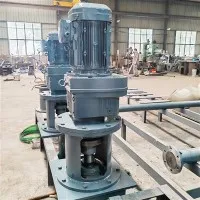
Planetary gear reducers are essential components in various industrial applications, known for their high torque transmission, compact size, and efficient power transfer. As a leading planetary gear reducer supplier, I often receive inquiries about the materials used in their manufacture. In this blog post, I will delve into the different materials commonly employed in the production of planetary gear reducers, exploring their properties, advantages, and applications.
Steel
Steel is one of the most widely used materials in the manufacturing of planetary gear reducers due to its excellent mechanical properties, including high strength, hardness, and wear resistance. Different types of steel are utilized depending on the specific requirements of the gear reducer.
Alloy Steel
Alloy steel is a popular choice for gear manufacturing because it can be heat-treated to achieve the desired hardness and toughness. Chromium, nickel, and molybdenum are common alloying elements added to steel to enhance its strength and corrosion resistance. For example, 4140 alloy steel, which contains chromium and molybdenum, is often used for gears that require high strength and good wear resistance. It can withstand heavy loads and high speeds, making it suitable for applications in automotive, aerospace, and industrial machinery.
Carbon Steel
Carbon steel is another commonly used material for gears. It is relatively inexpensive and easy to machine, making it a cost-effective option for less demanding applications. Low-carbon steel, such as AISI 1010 or 1020, is often used for gears that do not require high strength. Medium-carbon steel, like AISI 1045, offers a good balance of strength and ductility and is suitable for a wide range of applications. High-carbon steel, such as AISI 1080 or 1090, has high hardness and wear resistance but is more brittle and requires careful heat treatment to prevent cracking.
Cast Iron
Cast iron is a material known for its excellent casting properties, good damping capacity, and low cost. It is often used for the housing of planetary gear reducers. Gray cast iron, which contains graphite flakes, is the most common type of cast iron used in gear reducer housings. It has good machinability and can absorb vibrations, reducing noise during operation. Ductile cast iron, also known as nodular cast iron, has graphite nodules instead of flakes, giving it higher strength and ductility compared to gray cast iron. It is used in applications where higher loads and stresses are expected.
Bronze
Bronze is an alloy of copper and tin, with other elements such as zinc, lead, or phosphorus sometimes added to improve its properties. It is known for its good corrosion resistance, low friction coefficient, and excellent wear resistance. Bronze is often used for the manufacture of worm gears in Helical Gear Worm Gear Reducer. The low friction coefficient of bronze helps to reduce heat generation and improve the efficiency of the gear system. Additionally, its corrosion resistance makes it suitable for applications in wet or corrosive environments.
Aluminum
Aluminum is a lightweight material with good thermal conductivity and corrosion resistance. It is often used for the housing of planetary gear reducers in applications where weight reduction is a critical factor, such as in the aerospace and automotive industries. Aluminum alloys, such as 6061 or 7075, offer high strength-to-weight ratios and can be easily machined and anodized for improved surface finish and corrosion resistance. However, aluminum has lower stiffness compared to steel and cast iron, so it may not be suitable for applications that require high rigidity.
Plastic
Plastic materials are increasingly being used in the manufacture of planetary gear reducers, especially for small, low-power applications. Thermoplastics such as polycarbonate, nylon, and acetal are commonly used due to their low cost, ease of molding, and self-lubricating properties. Plastic gears are lightweight, quiet in operation, and can be used in applications where corrosion resistance and electrical insulation are required. However, they have lower strength and wear resistance compared to metal gears, so they are typically used in less demanding applications, such as in consumer electronics and small appliances.
Selection of Materials
The selection of materials for planetary gear reducers depends on several factors, including the application requirements, load capacity, speed, operating environment, and cost. For high-load and high-speed applications, steel gears are usually the preferred choice due to their high strength and wear resistance. In applications where weight reduction is important, aluminum or plastic materials may be considered. The housing material is selected based on factors such as stiffness, damping capacity, and corrosion resistance.
Conclusion
In conclusion, a variety of materials are used in the manufacture of planetary gear reducers, each with its own unique properties and advantages. As a planetary gear reducer supplier, we understand the importance of selecting the right materials to ensure the performance, reliability, and durability of our products. Whether you need a Helical Bevel Gear Reducer, Helical Gear Worm Gear Reducer, or Hard Face Gear Reducer, we have the expertise and resources to provide you with high-quality products tailored to your specific needs.


If you are interested in purchasing planetary gear reducers or have any questions about our products, please feel free to contact us for a detailed discussion. We look forward to working with you to find the best solutions for your applications.
References
- Budynas, R. G., & Nisbett, J. K. (2011). Shigley's Mechanical Engineering Design. McGraw-Hill.
- Metals Handbook: Properties and Selection: Irons, Steels, and High-Performance Alloys. (1990). ASM International.
- Plastics Engineering Handbook of the Society of the Plastics Industry. (1991). Van Nostrand Reinhold.