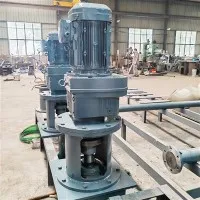
As a proud supplier of helical gear reducers, I understand the critical role that lubrication plays in the performance and longevity of these mechanical workhorses. Selecting the right lubricant is not just a matter of preference; it's a science that involves understanding the unique demands of helical gear reducers and matching them with the appropriate lubrication solutions. In this blog post, I'll delve into the factors to consider when choosing a lubricant for a helical gear reducer and recommend some suitable options.
Understanding the Function of Lubricants in Helical Gear Reducers
Before we dive into the types of lubricants, let's first understand why lubrication is so important for helical gear reducers. Helical gear reducers are designed to transmit power between two shafts at different speeds, often under high loads and in challenging environments. The meshing of the helical gears generates friction and heat, which can lead to wear, noise, and even premature failure if not properly managed.
Lubricants serve several key functions in helical gear reducers:
- Reducing Friction: By creating a thin film between the gear teeth, lubricants minimize direct metal-to-metal contact, reducing friction and wear. This not only extends the life of the gears but also improves the efficiency of the reducer, resulting in lower energy consumption.
- Dissipating Heat: The heat generated by the meshing gears can cause thermal expansion and damage to the gear teeth. Lubricants absorb and transfer this heat away from the gears, helping to maintain a stable operating temperature and prevent overheating.
- Preventing Corrosion: Helical gear reducers are often exposed to moisture, dust, and other contaminants, which can cause corrosion and rust. Lubricants contain additives that form a protective barrier on the gear surfaces, preventing corrosion and ensuring the long-term reliability of the reducer.
- Reducing Noise and Vibration: The smooth operation of helical gears is essential for minimizing noise and vibration in the system. Lubricants help to dampen the impact of the gear teeth as they mesh, reducing noise and providing a more comfortable working environment.
Factors to Consider When Choosing a Lubricant
When selecting a lubricant for a helical gear reducer, several factors need to be taken into account:
- Load and Speed: The load and speed at which the helical gear reducer operates will determine the viscosity and film strength requirements of the lubricant. Higher loads and speeds generally require lubricants with higher viscosities and better film-forming properties to prevent metal-to-metal contact and wear.
- Temperature: The operating temperature of the helical gear reducer is another critical factor to consider. Lubricants must be able to maintain their viscosity and performance over a wide range of temperatures to ensure proper lubrication under all conditions. Extreme temperatures can cause the lubricant to thin out or thicken, leading to inadequate lubrication and potential damage to the gears.
- Environment: The environment in which the helical gear reducer is installed can also affect the choice of lubricant. If the reducer is exposed to moisture, dust, or chemicals, a lubricant with good anti-corrosion and anti-wear properties may be required. Additionally, some environments may require lubricants that are biodegradable or food-grade for safety reasons.
- Gear Material and Design: The material and design of the helical gears can also influence the lubricant selection. Different gear materials have different surface properties and wear characteristics, which may require specific lubricants to optimize performance. Additionally, the design of the gear teeth, such as the helix angle and tooth profile, can affect the lubrication requirements.
Types of Lubricants Suitable for Helical Gear Reducers
Based on the factors mentioned above, here are some types of lubricants that are commonly used in helical gear reducers:
- Mineral Oils: Mineral oils are the most widely used lubricants for helical gear reducers due to their low cost and good general performance. They are derived from crude oil and have a wide range of viscosities available to suit different operating conditions. Mineral oils are suitable for most helical gear reducers operating at moderate loads and speeds and in normal environments.
- Synthetic Oils: Synthetic oils are engineered lubricants that offer superior performance compared to mineral oils. They are made from chemically synthesized compounds and have better thermal stability, oxidation resistance, and low-temperature properties. Synthetic oils are ideal for helical gear reducers operating at high loads, high speeds, or in extreme temperature environments. They also have a longer service life and can provide better protection against wear and corrosion.
- Semi-Synthetic Oils: Semi-synthetic oils are a blend of mineral and synthetic oils, offering a balance between performance and cost. They combine the advantages of both types of oils, providing good lubrication properties, thermal stability, and oxidation resistance at a more affordable price. Semi-synthetic oils are a popular choice for helical gear reducers operating under moderate to heavy loads and in a variety of environments.
- Greases: Greases are a type of lubricant that consists of a base oil thickened with a soap or other thickening agent. They offer excellent adhesion and sealing properties, making them suitable for applications where the lubricant needs to stay in place and prevent the ingress of contaminants. Greases are commonly used in helical gear reducers that operate at low speeds or in applications where oil leakage is a concern.
Recommended Lubricants for Helical Gear Reducers
Here are some specific lubricants that are recommended for helical gear reducers based on different operating conditions:
- For Moderate Loads and Speeds: A high-quality mineral oil with a viscosity grade of ISO VG 100 to ISO VG 220 is usually sufficient for helical gear reducers operating at moderate loads and speeds. These oils provide good lubrication and protection against wear and corrosion.
- For High Loads and Speeds: Synthetic oils with a viscosity grade of ISO VG 320 to ISO VG 680 are recommended for helical gear reducers operating at high loads and speeds. These oils have excellent thermal stability and film-forming properties, ensuring reliable performance under extreme conditions.
- For Extreme Temperature Environments: Synthetic oils with a wide temperature range, such as polyalphaolefin (PAO) or polyglycol (PG) oils, are suitable for helical gear reducers operating in extreme temperature environments. These oils can maintain their viscosity and performance at both high and low temperatures, providing consistent lubrication and protection.
- For Corrosive Environments: Lubricants with anti-corrosion additives, such as rust and oxidation inhibitors, are necessary for helical gear reducers operating in corrosive environments. Synthetic oils or semi-synthetic oils with good anti-corrosion properties are recommended in these cases.
Conclusion
Choosing the right lubricant for a helical gear reducer is crucial for ensuring its optimal performance and longevity. By considering the load, speed, temperature, environment, and gear material and design, you can select a lubricant that meets the specific requirements of your application. Whether you choose a mineral oil, synthetic oil, semi-synthetic oil, or grease, make sure to follow the manufacturer's recommendations and regularly monitor the lubricant condition to ensure proper lubrication.
If you're in the market for a helical gear reducer or need further advice on lubrication, Helical Bevel Gear Reducer and Planetary Gear Reducer and Planetary Speed Reducer are some of the products we offer. We're here to help you find the perfect solution for your needs. Contact us today to start the procurement discussion and take the first step towards a more efficient and reliable power transmission system.


References
- Machinery's Handbook, 31st Edition
- AGMA (American Gear Manufacturers Association) Standards
- Lubrication Engineers' Technical Manual