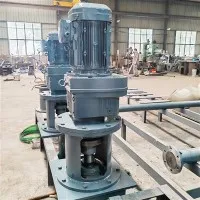
What is the weight of an electric screw jack? Well, that's a question I get asked a lot as an electric screw jack supplier. In this blog post, I'm gonna break down what affects the weight of these handy tools, why it matters, and give you some real - world insights.
First off, let's understand what an electric screw jack is. It's a device that uses an electric motor to drive a screw mechanism. This screw moves a load up or down, which is super useful in a whole bunch of industries, from manufacturing to construction.


The weight of an electric screw jack isn't a one - size - fits - all thing. It can vary widely depending on a few key factors.
1. Load Capacity
The load capacity is how much weight the jack can lift. Obviously, a jack designed to lift a small load is going to be lighter than one built for heavy - duty tasks. For instance, a Mini Electric Screw Jack is made for lighter loads, so it's gonna be relatively lightweight. These are great for applications where space is limited and the load isn't too hefty, like in some small - scale automation projects.
On the other hand, a Motorized Screw Jack with a high load capacity is gonna be much heavier. It needs to be sturdy enough to handle the large forces involved in lifting heavy objects. The materials used in its construction, like thick steel for the housing and a beefy screw, add to its weight.
2. Size and Dimensions
The physical size of the electric screw jack also has a big impact on its weight. A larger jack with a longer screw and a bigger housing will naturally weigh more than a smaller one. The length of the screw affects how far the jack can lift the load, and longer screws often mean more material, thus more weight.
The housing, which protects the internal components, also contributes to the overall weight. If the housing is made of a thick and durable material, the jack will be heavier. But that thickness is important for durability and protection against damage in tough working environments.
3. Materials Used
The type of materials used in the construction of the jack plays a huge role in its weight. Most electric screw jacks have screws made of steel because it's strong and can handle a lot of stress. The quality of the steel also matters. High - grade steel might add a bit more weight, but it offers better performance and longevity.
For the housing, aluminum is sometimes used for its lightweight properties. However, it may not be as strong as steel, so in applications where strength is crucial, you're more likely to see a steel housing.
4. Additional Features
Some electric screw jacks come with extra features like a brake system or a limit switch. These add - ons can increase the weight of the jack. A brake system is important for holding the load in place when the motor is turned off, and a limit switch helps prevent over - extension of the screw. While these features are really useful, they do come at the cost of a little extra weight.
Now, why does the weight of an electric screw jack matter?
Ease of Installation
If you're installing the jack in a tight space or on a structure that has weight limitations, a lighter jack is gonna be much easier to work with. You won't have to worry about straining the structure or struggling to lift and position the jack.
Portability
In some cases, you might need to move the jack from one location to another. A lighter jack is more portable, which means you can quickly set up your operation in different areas.
Energy Consumption
Heavier jacks generally require more energy to operate. This is because the motor has to work harder to move the additional weight. So, if you're looking to save on energy costs, a lighter jack might be a better choice.
Let's talk about a few different models and their typical weights. The JTB Electric Screw Jack is a popular choice in many industries. Depending on its load capacity and size, it can range from a relatively light weight for smaller models to quite heavy for those designed for large loads.
For example, a JTB Electric Screw Jack with a low load capacity of around 1 ton might weigh around 20 - 30 kilograms. This makes it relatively easy to handle during installation. But if you go up to a model with a 10 - ton load capacity, the weight can shoot up to over 100 kilograms.
In a recent project I was involved in, a client needed an electric screw jack for a small - scale assembly line. They had limited space and a relatively light load to lift. We recommended a Mini Electric Screw Jack. Its lightweight design made it easy to install in the tight space, and it worked perfectly for their needs.
On the other hand, I had another client in the construction industry. They were working on a project that required lifting heavy building materials. We provided them with a high - capacity Motorized Screw Jack. Even though it was heavy, it was exactly what they needed to handle the large loads.
If you're in the market for an electric screw jack, it's important to consider the weight along with other factors like load capacity, speed, and accuracy. The weight can have a big impact on how easy it is to use and operate the jack.
If you're interested in learning more about our electric screw jacks or have specific requirements for your project, don't hesitate to reach out. We're here to help you find the perfect solution for your needs. Whether you need a lightweight jack for a small - scale project or a heavy - duty one for industrial applications, we've got you covered.
References
- Engineering Handbook on Linear Motion Devices
- Industry Reports on Electric Screw Jacks
- Manufacturer's Specifications for Electric Screw Jacks