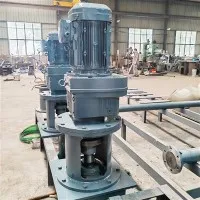
Shock resistance is a critical performance indicator for any mechanical component, especially for gear reducers. As a supplier of Planetary Gear Reducer, I often receive inquiries about the shock resistance of our products. In this blog post, I will delve into the concept of shock resistance in planetary gear reducers, explain its significance, and discuss the factors that influence it.
Understanding Shock Resistance
Shock resistance refers to the ability of a planetary gear reducer to withstand sudden and intense loads or impacts without suffering significant damage or performance degradation. In industrial applications, machinery often encounters shock loads due to various reasons, such as sudden starts and stops, material handling, or external impacts. A gear reducer with high shock resistance can maintain its integrity and functionality under these challenging conditions, ensuring the smooth operation of the entire system.
Significance of Shock Resistance in Planetary Gear Reducers
The importance of shock resistance in planetary gear reducers cannot be overstated. Here are some key reasons why it is crucial:
- Reliability and Durability: A planetary gear reducer with good shock resistance is more reliable and durable. It can withstand the rigors of industrial environments and continue to operate effectively over an extended period. This reduces the need for frequent repairs and replacements, saving both time and money for the end - user.
- System Safety: In many applications, such as in heavy machinery and automated production lines, the failure of a gear reducer can lead to serious safety hazards. High shock resistance helps prevent unexpected breakdowns, ensuring the safety of operators and the protection of valuable equipment.
- Performance Consistency: Shock loads can cause fluctuations in the output torque and speed of a gear reducer. A shock - resistant planetary gear reducer can minimize these fluctuations, providing a more consistent performance and maintaining the accuracy of the machinery's operation.
Factors Affecting the Shock Resistance of Planetary Gear Reducers
Several factors influence the shock resistance of planetary gear reducers. Understanding these factors can help us design and manufacture products with better shock - absorbing capabilities.
Gear Material and Heat Treatment
The material used for the gears is a fundamental factor in determining shock resistance. High - strength alloy steels are commonly used in planetary gear reducers due to their excellent mechanical properties. These materials can withstand high stresses without deforming or fracturing.
Heat treatment processes, such as carburizing and quenching, further enhance the hardness and toughness of the gears. For example, carburizing can increase the surface hardness of the gears, making them more resistant to wear and shock. A well - heat - treated gear can better distribute the shock loads, reducing the risk of localized damage.
Gear Design and Geometry
The design and geometry of the gears play a crucial role in shock resistance. Proper tooth profile design can ensure smooth meshing between the gears, reducing the impact forces during operation. For instance, helical gears are often used in planetary gear reducers because they have a larger contact area and a more gradual meshing process compared to spur gears. This results in lower impact loads and better shock - absorbing capabilities.
The number of teeth on the gears also affects shock resistance. Gears with a larger number of teeth can distribute the load more evenly, reducing the stress on each tooth and improving the overall shock - withstanding ability of the gear reducer.
Bearing Selection and Installation
Bearings are another critical component in a planetary gear reducer. They support the rotating shafts and help transmit the loads. High - quality bearings with appropriate load - carrying capacities are essential for good shock resistance.
Proper installation of the bearings is also crucial. Incorrect installation can lead to misalignment, which can increase the stress on the bearings and the gears, reducing the shock resistance of the gear reducer.
Lubrication
Lubrication is vital for the smooth operation and shock resistance of a planetary gear reducer. A good lubricant can reduce friction between the gears and bearings, dissipating the heat generated during operation. It also acts as a cushion, absorbing some of the shock loads.
The type and quality of the lubricant, as well as the lubrication method, can significantly affect the shock - absorbing performance. For example, synthetic lubricants often have better high - temperature and anti - wear properties, providing better protection under shock - load conditions.
Testing and Evaluation of Shock Resistance
To ensure the shock resistance of our Planetary Gear Reducers, we conduct a series of rigorous tests. These tests simulate the actual operating conditions and shock loads that the gear reducers may encounter in the field.
One common test method is the impact test, where a known shock load is applied to the gear reducer, and its response is measured. We use sensors to monitor parameters such as torque, speed, and vibration during the test. By analyzing these data, we can evaluate the shock - absorbing performance of the gear reducer and identify any potential weaknesses.
We also perform long - term durability tests, where the gear reducer is subjected to repeated shock loads over an extended period. This helps us assess the long - term reliability and fatigue resistance of the product.
Comparison with Other Types of Gear Reducers
When comparing planetary gear reducers with other types of gear reducers, such as Helical Gear Parallel Shaft Reducers and Hardened Gear Reducers, planetary gear reducers generally have better shock resistance.
The compact design of planetary gear reducers allows for a more efficient distribution of loads. The multiple planet gears share the load, reducing the stress on each individual gear. In contrast, some other types of gear reducers may have a more concentrated load distribution, making them more vulnerable to shock loads.
Applications Requiring High Shock Resistance
There are many industrial applications where high shock resistance is essential. Some of these applications include:
- Mining and Construction: In mining and construction equipment, such as excavators, loaders, and crushers, the gear reducers are exposed to extremely high shock loads. These machines often operate in harsh environments, where they encounter large rocks, uneven terrain, and sudden impacts. A planetary gear reducer with high shock resistance can ensure the reliable operation of these machines.
- Material Handling: Conveyor systems, forklifts, and automated storage and retrieval systems in material handling applications also require gear reducers with good shock resistance. These systems are constantly starting, stopping, and changing directions, which generate significant shock loads.
- Automotive Industry: In automotive transmissions and differentials, shock resistance is crucial for smooth and reliable operation. The gear reducers in these applications need to withstand the shocks caused by acceleration, deceleration, and rough road conditions.
Conclusion
Shock resistance is a vital characteristic of planetary gear reducers. It ensures the reliability, durability, and safety of industrial machinery. As a supplier of Planetary Gear Reducers, we are committed to designing and manufacturing products with high shock - absorbing capabilities.


By carefully selecting the gear materials, optimizing the gear design, using high - quality bearings, and ensuring proper lubrication, we can produce planetary gear reducers that can meet the demanding requirements of various industrial applications.
If you are in the market for a reliable and shock - resistant planetary gear reducer, we would be more than happy to discuss your specific needs. Our team of experts can provide you with detailed technical information and help you choose the most suitable product for your application. Contact us today to start the procurement negotiation process and find the perfect solution for your machinery.
References
- "Mechanical Design of Machine Elements and Machines: A Failure Prevention Perspective" by Juvinall and Marshek
- "Gear Design and Application" by Dudley
- Industry standards and guidelines related to gear reducers and mechanical transmissions.