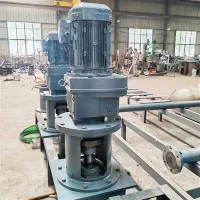
The price range of cycloidal reducers can vary significantly based on multiple factors. As a cycloidal reducer supplier, I've witnessed firsthand the diverse needs of customers and the corresponding price differences in the market.


Factors Affecting the Price of Cycloidal Reducers
1. Type of Cycloidal Reducer
There are different types of cycloidal reducers, each with its own unique features and price points. For instance, the Cycloidal Gear Reducer is known for its high - torque transmission and smooth operation. It typically uses a set of gears arranged in a cycloidal pattern to achieve the desired reduction ratio. The manufacturing process of these gears is often complex, involving precision machining and heat - treatment processes. This complexity in production contributes to a relatively higher price compared to some other types.
On the other hand, the Planetary Cycloidal Reducer combines the advantages of planetary and cycloidal mechanisms. It offers high efficiency, compact size, and excellent load - carrying capacity. The design and assembly of planetary cycloidal reducers require advanced engineering and high - quality materials, which also add to the cost.
The Cycloidal Pin Wheel Reducer is another common type. It has a simple and reliable structure, with pin wheels and cycloidal discs working together to transfer power. Although its structure is relatively straightforward compared to the other two types, the precision required for the pin wheels and cycloidal discs still affects the price.
2. Size and Capacity
The physical size and power - handling capacity of a cycloidal reducer are major determinants of its price. Small - sized cycloidal reducers, which are often used in applications with limited space and lower power requirements, such as in some small - scale automation equipment, are generally more affordable. They require less material and simpler manufacturing processes.
In contrast, large - sized cycloidal reducers designed for heavy - duty applications, like in industrial machinery, mining equipment, or large - scale conveyor systems, are much more expensive. These large - capacity reducers need to be built with stronger materials to withstand high loads and torques. The manufacturing process also involves more complex machining and assembly operations, which drive up the cost.
3. Quality and Brand
The quality of a cycloidal reducer is closely related to its price. High - quality reducers are made from premium materials, such as high - strength alloys for gears and shafts. They undergo strict quality control during the manufacturing process, including precision machining, heat - treatment, and surface finishing. These high - quality components ensure longer service life, lower failure rates, and better performance. As a result, they come with a higher price tag.
Well - known brands in the cycloidal reducer market also tend to charge more for their products. Brand reputation is built on years of providing reliable products and excellent customer service. Customers are often willing to pay a premium for a brand that they trust, as they expect better after - sales support and product reliability.
4. Customization
If a customer requires a customized cycloidal reducer, the price will be higher than that of a standard off - the - shelf product. Customization may involve modifying the size, output speed, reduction ratio, or adding special features to meet specific application requirements. Designing and manufacturing a customized reducer requires additional engineering work, tooling costs, and potentially longer production lead times. All these factors contribute to the increased price.
Price Range Analysis
Low - end Cycloidal Reducers
The low - end of the cycloidal reducer price range usually includes small - sized, standard - specification reducers from less well - known brands or those with basic quality. These reducers are typically suitable for light - duty applications where the load and precision requirements are not very high. For example, in some small - scale DIY projects or simple automation setups in home workshops, a low - end cycloidal reducer may cost anywhere from $100 to $500.
Mid - range Cycloidal Reducers
Mid - range cycloidal reducers are more commonly used in general industrial applications. They offer a good balance between quality, performance, and price. These reducers are often of standard sizes and specifications, but are made from better - quality materials and have more precise manufacturing processes compared to low - end products. A mid - range cycloidal reducer can cost between $500 and $2000. They are suitable for a wide range of applications, such as small to medium - sized conveyor systems, packaging machinery, and some light - industrial automation equipment.
High - end Cycloidal Reducers
High - end cycloidal reducers are designed for the most demanding applications, where high precision, high load - carrying capacity, and long service life are essential. These reducers are usually from well - established brands and are often customized to meet specific customer requirements. The price of high - end cycloidal reducers can start from $2000 and go up to tens of thousands of dollars, depending on the size, capacity, and level of customization. They are commonly used in industries such as aerospace, automotive manufacturing, and heavy - duty mining equipment.
Conclusion
In conclusion, the price range of cycloidal reducers is quite broad, spanning from a few hundred dollars for low - end products to tens of thousands of dollars for high - end, customized solutions. When choosing a cycloidal reducer, customers should carefully consider their application requirements, budget, and long - term needs.
As a cycloidal reducer supplier, we are committed to providing a wide range of products to meet different customer needs. Whether you are looking for a cost - effective solution for a small - scale project or a high - performance reducer for a heavy - duty application, we can offer the right product for you. If you have any questions or need further information about our cycloidal reducers, please feel free to contact us for procurement and negotiation. We look forward to working with you to find the best cycloidal reducer solution for your specific requirements.
References
- Handbook of Mechanical Engineering Design
- Industrial Gearbox Design and Application Guide