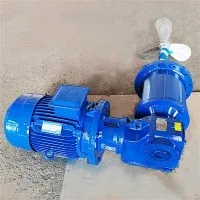
As a seasoned provider of chemical agitators, I've witnessed firsthand the pivotal role that the shape of a mixing tank plays in determining the performance of these essential pieces of equipment. In this blog, we'll delve into the intricate relationship between tank shape and agitator performance, exploring how different geometries can impact mixing efficiency, power consumption, and overall process outcomes.
The Basics of Chemical Agitation
Before we dive into the impact of tank shape, let's briefly review the fundamentals of chemical agitation. At its core, chemical agitation is the process of using mechanical energy to mix two or more substances together. This is typically achieved through the use of an agitator, which consists of a motor, a shaft, and one or more impellers. The impeller rotates within the tank, creating a flow pattern that promotes mixing and dispersion of the substances.
The efficiency of the agitation process depends on several factors, including the type of impeller, the speed of rotation, the viscosity of the substances being mixed, and the shape of the mixing tank. In this blog, we'll focus specifically on the latter factor and explore how different tank shapes can affect agitator performance.
Common Tank Shapes and Their Impact on Agitator Performance
There are several common shapes of mixing tanks, each with its own unique characteristics and impact on agitator performance. Let's take a closer look at some of the most popular shapes and how they can affect the mixing process.
Cylindrical Tanks
Cylindrical tanks are one of the most common shapes used in chemical processing. They are relatively easy to manufacture and can be designed to accommodate a wide range of volumes. The circular cross-section of a cylindrical tank creates a uniform flow pattern, which can be beneficial for mixing applications. However, the side walls of the tank can create dead zones, where the flow of the liquid is minimal. This can lead to poor mixing in these areas and can affect the overall efficiency of the process.
To overcome this issue, agitators in cylindrical tanks are often designed with multiple impellers or with impellers that are specifically designed to create a more uniform flow pattern. Additionally, baffles can be installed inside the tank to disrupt the flow and prevent the formation of dead zones.
Rectangular Tanks
Rectangular tanks are another popular choice for chemical processing. They are often used in applications where space is limited or where a specific shape is required. The rectangular shape of the tank can create a more complex flow pattern compared to a cylindrical tank, which can make it more challenging to achieve uniform mixing.
One of the main challenges with rectangular tanks is the presence of corners, which can create dead zones and areas of poor mixing. To address this issue, agitators in rectangular tanks are often designed with impellers that are specifically shaped to reach into the corners and promote mixing in these areas. Additionally, baffles can be installed along the walls of the tank to disrupt the flow and prevent the formation of dead zones.
Conical Tanks
Conical tanks are commonly used in applications where the substances being mixed have different densities or where sedimentation is a concern. The conical shape of the tank allows for easy drainage of the contents and can help to prevent the formation of sediment at the bottom of the tank.
However, the conical shape of the tank can also create challenges for mixing. The narrow bottom of the tank can create a high velocity flow, which can cause the substances to be pushed to the sides of the tank and create dead zones. To overcome this issue, agitators in conical tanks are often designed with impellers that are specifically shaped to create a more uniform flow pattern and to prevent the formation of dead zones.
Impact of Tank Shape on Agitator Power Consumption
In addition to affecting the mixing efficiency, the shape of the mixing tank can also have a significant impact on the power consumption of the agitator. The power required to operate an agitator is directly related to the resistance of the fluid being mixed and the flow pattern created by the impeller.
Tanks with complex shapes, such as rectangular or conical tanks, can create a more turbulent flow pattern compared to cylindrical tanks. This can increase the resistance of the fluid and require more power to operate the agitator. Additionally, the presence of dead zones in the tank can also increase the power consumption, as the agitator must work harder to overcome these areas of poor mixing.
To minimize power consumption, it's important to choose the right agitator for the specific tank shape and application. Agitators with high-efficiency impellers and advanced control systems can help to reduce power consumption while still achieving the desired mixing results.
Impact of Tank Shape on Process Outcomes
The shape of the mixing tank can also have a significant impact on the overall process outcomes. Poor mixing can lead to inconsistent product quality, reduced yields, and increased production costs. On the other hand, proper mixing can improve product quality, increase yields, and reduce production costs.
For example, in a chemical reaction, poor mixing can result in incomplete reactions, which can lead to the formation of unwanted by-products. This can affect the quality of the final product and can increase the cost of production. By choosing the right tank shape and agitator, it's possible to ensure that the reactants are thoroughly mixed, which can improve the efficiency of the reaction and reduce the formation of by-products.
In addition to chemical reactions, the shape of the mixing tank can also affect other process outcomes, such as heat transfer, mass transfer, and suspension of solids. By understanding the impact of tank shape on these processes, it's possible to optimize the design of the mixing system and improve the overall efficiency of the process.

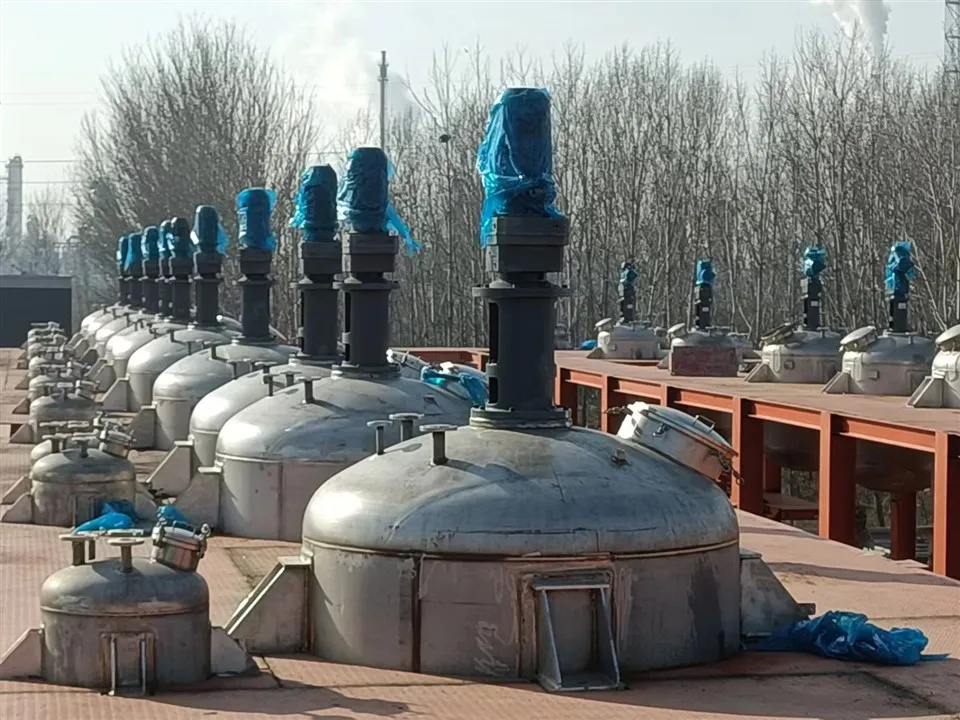
Choosing the Right Agitator for Your Tank Shape
Choosing the right agitator for your tank shape is crucial for achieving optimal mixing performance. There are several factors to consider when selecting an agitator, including the type of impeller, the speed of rotation, the power requirements, and the specific application.
For cylindrical tanks, agitators with axial flow impellers are often a good choice, as they can create a uniform flow pattern and promote mixing throughout the tank. For rectangular tanks, agitators with radial flow impellers or with impellers that are specifically designed to reach into the corners can be more effective. For conical tanks, agitators with impellers that are specifically shaped to create a more uniform flow pattern and to prevent the formation of dead zones are recommended.
In addition to the type of impeller, it's also important to consider the speed of rotation and the power requirements of the agitator. The speed of rotation should be selected based on the viscosity of the substances being mixed and the desired mixing time. The power requirements should be selected based on the size and shape of the tank, as well as the specific application.
Conclusion
In conclusion, the shape of the mixing tank plays a crucial role in determining the performance of the chemical agitator. Different tank shapes can have a significant impact on mixing efficiency, power consumption, and overall process outcomes. By understanding the impact of tank shape on agitator performance, it's possible to choose the right agitator for your specific application and to optimize the design of the mixing system.
If you're in the market for a chemical agitator, we invite you to explore our range of products, including Dissolving Kettle Agitator, Side Entry Agitator, and Turbine Agitator. Our team of experts can help you select the right agitator for your specific tank shape and application, and can provide you with the support and guidance you need to ensure the success of your project. Contact us today to learn more about our products and services and to discuss your specific requirements.
References
- Paul, E. L., Atiemo-Obeng, V. A., & Kresta, S. M. (2004). Handbook of industrial mixing: science and practice. John Wiley & Sons.
- Middleman, S. (1998). Fundamentals of polymer processing. McGraw-Hill.
- Levenspiel, O. (1999). Chemical reaction engineering. John Wiley & Sons.