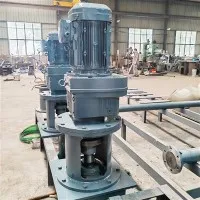
Hey there! As a supplier of planetary gear reducers, I've seen firsthand how environmental factors can have a big impact on these crucial pieces of machinery. In this blog, I'll break down the various environmental elements and explain how they can affect a planetary gear reducer.
Temperature
One of the most significant environmental factors is temperature. Planetary gear reducers are designed to operate within a specific temperature range. Extreme heat or cold can cause a whole host of problems.
When it's too hot, the lubricants in the gear reducer can break down. Lubrication is essential for reducing friction between the gears. If the lubricant loses its viscosity due to high temperatures, it won't be able to form a proper film between the gear teeth. This leads to increased friction, which in turn generates more heat. A vicious cycle is created, and the gears can start to wear out much faster. In some cases, the excessive heat can even cause the gears to warp or deform, rendering the gear reducer useless.
On the other hand, cold temperatures can make the lubricant thicken. Thick lubricant doesn't flow as easily, and it may not reach all the parts of the gear system that need it. This lack of proper lubrication can also increase friction and wear. Additionally, the materials in the gear reducer can become more brittle in cold conditions. This means they're more likely to crack or break under stress.
Humidity
Humidity is another factor that can't be ignored. High humidity levels can lead to corrosion. The metal components of a planetary gear reducer are vulnerable to rust when exposed to moisture for extended periods. Rust weakens the structural integrity of the gears and other parts. It can cause the gears to become rough, which affects their meshing and reduces the efficiency of the gear reducer.
Moreover, moisture can also seep into the electrical components of the gear reducer if it has any. This can lead to short - circuits and other electrical malfunctions. Even in non - electrical gear reducers, the presence of water can cause problems with the lubrication. Water can mix with the lubricant, creating an emulsion that doesn't provide the same level of protection as pure lubricant.
Dust and Particulates
Dust and other particulates in the environment can be extremely damaging to a planetary gear reducer. When dust enters the gear housing, it can act like an abrasive. As the gears rotate, the dust particles can get trapped between the gear teeth. This causes accelerated wear and tear on the gears. The particles can scratch the surface of the gears, which not only reduces their lifespan but also affects the smooth operation of the gear system.
In industrial settings, there may be larger particulates such as metal shavings or wood chips. These can cause even more significant damage. They can jam the gears, preventing them from rotating properly. In some cases, a large particulate can cause a complete breakdown of the gear reducer.
Chemical Exposure
If a planetary gear reducer is used in an environment where it's exposed to chemicals, it can face serious problems. Some chemicals can react with the metal components of the gear reducer, causing corrosion or other forms of chemical damage. For example, acids can eat away at the metal, weakening the gears and other parts.
Chemicals can also have an impact on the lubricant. They can break down the lubricant or change its properties, reducing its effectiveness. This can lead to increased friction, wear, and ultimately, a shorter lifespan for the gear reducer.
Vibration and Shock
In some applications, the planetary gear reducer may be exposed to vibration and shock. Excessive vibration can cause the internal components of the gear reducer to loosen. The bolts and fasteners that hold the gear system together can come loose over time, which can lead to misalignment of the gears. Misaligned gears don't mesh properly, causing uneven wear and reducing the efficiency of the gear reducer.
Shock loads can be even more damaging. A sudden impact can cause the gears to crack or break. It can also damage the bearings and other sensitive components of the gear reducer.
How to Mitigate the Impact
Now that we've discussed the various environmental factors and their impacts, let's talk about how to mitigate these effects.


For temperature control, you can use cooling or heating systems. In hot environments, you can install fans or cooling jackets to keep the gear reducer at a reasonable temperature. In cold environments, heaters can be used to prevent the lubricant from thickening.
To deal with humidity, proper sealing is crucial. Make sure the gear housing is well - sealed to prevent moisture from entering. You can also use desiccants inside the housing to absorb any moisture that may find its way in.
To protect against dust and particulates, filters can be installed on the air intake of the gear housing. These filters can trap dust and other particles before they enter the gear system. Regular cleaning of the gear housing and the surrounding area can also help reduce the amount of dust that reaches the gear reducer.
When it comes to chemical exposure, choose a gear reducer with a protective coating that can resist chemical damage. If possible, relocate the gear reducer to an area with less chemical exposure.
To reduce the impact of vibration and shock, use proper mounting techniques. Anti - vibration mounts can be used to isolate the gear reducer from the source of vibration. Additionally, design the system to handle shock loads, for example, by using shock - absorbing materials or components.
Our Products and Solutions
At our company, we offer a range of high - quality planetary gear reducers that are designed to withstand various environmental conditions. We have the NRV Gear Reducer, which is known for its reliability in different settings. Our NGW Planetary Gear Reducer is engineered to provide excellent performance even in harsh environments. And our Hard Face Gear Reducer is built with durable materials to resist wear and damage.
If you're in the market for a planetary gear reducer and want to learn more about how our products can handle different environmental factors, we'd love to hear from you. Whether you're dealing with high temperatures, humidity, or any other environmental challenge, we have solutions that can meet your needs. Reach out to us to start a discussion about your specific requirements and how we can help you find the perfect gear reducer for your application.
References
- Machinery's Handbook, 31st Edition
- Industrial Lubrication Handbook, 2nd Edition
- ASME Standards on Gear Design and Manufacturing