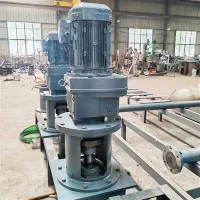
What is the heat transfer performance of a chemical agitator?
As a dedicated supplier of chemical agitators, I've had the privilege of delving deep into the intricacies of these essential pieces of equipment. One of the most critical aspects that often comes under scrutiny is the heat transfer performance of chemical agitators. In this blog, we'll explore what heat transfer performance means in the context of chemical agitators, the factors that influence it, and how our products are designed to optimize this crucial function.

Understanding Heat Transfer in Chemical Agitators
Heat transfer is the process of thermal energy exchange between a system and its surroundings or between different parts of the same system. In the case of chemical agitators, heat transfer plays a vital role in many industrial processes. For example, in chemical reactions, maintaining the right temperature is often essential for the reaction to proceed at the desired rate and yield the desired products. Agitators are used not only to mix the reactants but also to facilitate the transfer of heat within the reaction vessel.
There are three main modes of heat transfer: conduction, convection, and radiation. In chemical agitators, conduction and convection are the most relevant modes. Conduction occurs when heat is transferred through a solid material or between two solids in contact. In an agitator, conduction can happen between the agitator shaft and the impeller, or between the vessel wall and the contents inside. Convection, on the other hand, involves the transfer of heat by the movement of a fluid. This is where the agitator's mixing action comes into play. By creating fluid motion, the agitator enhances convection, which in turn improves heat transfer efficiency.
Factors Influencing Heat Transfer Performance
Several factors can influence the heat transfer performance of a chemical agitator. Understanding these factors is crucial for designing and selecting the right agitator for a specific application.
1. Agitator Design
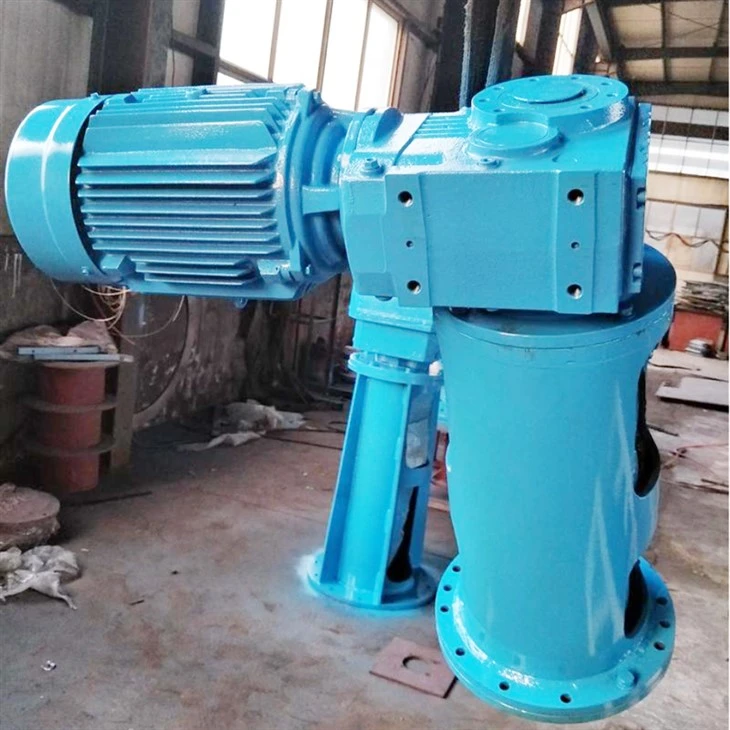
The design of the agitator, including the type of impeller, its size, and the number of blades, can significantly affect heat transfer. Different impeller designs create different flow patterns within the vessel, which in turn impact convection. For example, a Propeller Agitator is known for creating a high-velocity axial flow, which can be effective for promoting heat transfer in low-viscosity fluids. On the other hand, a side-entry agitator, such as the Side Entry Agitator or Side-entry Stirring Device, is often used in large tanks and can create a strong radial flow, which can enhance heat transfer in certain applications.
2. Fluid Properties
The properties of the fluid being agitated, such as its viscosity, density, and thermal conductivity, also play a crucial role in heat transfer. High-viscosity fluids tend to have lower heat transfer coefficients because they are more resistant to flow, which reduces convection. In contrast, low-viscosity fluids can flow more easily, allowing for better heat transfer. The density of the fluid affects the buoyancy forces, which can influence the natural convection within the vessel. Additionally, the thermal conductivity of the fluid determines how well it can conduct heat, which is important for conduction-based heat transfer.
3. Vessel Geometry
The shape and size of the vessel can impact heat transfer. A tall and narrow vessel may have different flow patterns compared to a short and wide one. The presence of baffles inside the vessel can also enhance heat transfer by promoting turbulence and improving fluid mixing. Baffles disrupt the rotational flow of the fluid, creating more complex flow patterns that increase the contact between the fluid and the vessel wall, thereby improving heat transfer.
4. Operating Conditions
The operating conditions, such as the agitation speed, temperature, and pressure, can affect heat transfer performance. Increasing the agitation speed generally increases the fluid velocity, which enhances convection and improves heat transfer. However, there is a limit to how much the agitation speed can be increased, as excessive speed can lead to energy waste and mechanical issues. The temperature difference between the fluid and the heat source or sink also affects the rate of heat transfer. A larger temperature difference generally results in a higher heat transfer rate.
Optimizing Heat Transfer Performance in Our Chemical Agitators
At our company, we understand the importance of heat transfer performance in chemical processes. That's why we've invested heavily in research and development to design agitators that can optimize this crucial function.
1. Advanced Impeller Designs
We offer a wide range of impeller designs, each tailored to specific applications and fluid properties. Our engineers use computational fluid dynamics (CFD) simulations to analyze the flow patterns created by different impellers and optimize their design for maximum heat transfer efficiency. For example, our propeller agitators are designed with precision to create a uniform axial flow, ensuring that heat is evenly distributed throughout the fluid. Our side-entry agitators are engineered to create a strong radial flow, which is ideal for large tanks where efficient heat transfer is essential.
2. Customization
We recognize that every application is unique, and that's why we offer customized agitator solutions. Our team of experts works closely with our customers to understand their specific requirements, including the fluid properties, vessel geometry, and operating conditions. Based on this information, we can design and manufacture agitators that are optimized for their particular heat transfer needs. Whether it's a small-scale laboratory application or a large industrial process, we have the expertise to provide the right solution.
3. High-Quality Materials
The materials used in the construction of our agitators are carefully selected to ensure optimal heat transfer performance. We use materials with high thermal conductivity, such as stainless steel, which can effectively conduct heat between the agitator and the fluid. Additionally, our materials are corrosion-resistant, ensuring the longevity and reliability of our agitators in harsh chemical environments.
4. Energy Efficiency
We are committed to providing energy-efficient agitators that not only optimize heat transfer but also reduce operating costs. Our agitators are designed to operate at the most efficient speed and power consumption, minimizing energy waste. By using advanced motor technologies and intelligent control systems, we can ensure that our agitators are always operating at their peak performance while consuming the least amount of energy.
Conclusion
The heat transfer performance of a chemical agitator is a critical factor in many industrial processes. By understanding the factors that influence heat transfer and optimizing the design and operation of the agitator, we can ensure efficient and effective heat transfer, leading to improved process performance and product quality.
As a leading supplier of chemical agitators, we are dedicated to providing our customers with the highest quality products and services. Our team of experts is always available to assist you in selecting the right agitator for your specific application and to provide technical support and advice. If you're interested in learning more about our chemical agitators or discussing your heat transfer requirements, we encourage you to contact us for a consultation. We look forward to the opportunity to work with you and help you achieve your process goals.
References
- Incropera, F. P., & DeWitt, D. P. (2002). Fundamentals of Heat and Mass Transfer. John Wiley & Sons.
- Perry, R. H., & Green, D. W. (1997). Perry's Chemical Engineers' Handbook. McGraw-Hill.
- Paul, E. L., Atiemo-Obeng, V. A., & Kresta, S. M. (2004). Handbook of Industrial Mixing: Science and Practice. John Wiley & Sons.