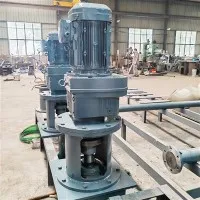
As a supplier of side entry mixers, I've encountered numerous inquiries regarding the heat dissipation methods of these essential industrial devices. Side entry mixers are widely used in various industries, including chemical processing, food and beverage, and wastewater treatment, where they play a crucial role in ensuring efficient mixing and blending processes. Understanding the heat dissipation methods of side entry mixers is vital for maintaining their performance, longevity, and overall reliability.
The Importance of Heat Dissipation in Side Entry Mixers
Before delving into the specific heat dissipation methods, it's essential to understand why heat dissipation is so important for side entry mixers. During operation, side entry mixers generate heat due to the mechanical friction between moving parts and the electrical resistance within the motor. If this heat is not effectively dissipated, it can lead to several issues, including:
- Reduced Efficiency: Excessive heat can cause the motor to overheat, leading to a decrease in efficiency and increased energy consumption.
- Premature Wear and Tear: High temperatures can accelerate the wear and tear of components, such as bearings and seals, reducing the lifespan of the mixer.
- Safety Risks: Overheating can pose a safety risk, potentially leading to electrical malfunctions, fires, or explosions in certain environments.
Therefore, implementing effective heat dissipation methods is crucial for ensuring the optimal performance and safety of side entry mixers.
Common Heat Dissipation Methods for Side Entry Mixers
There are several heat dissipation methods commonly used in side entry mixers, each with its own advantages and limitations. The choice of heat dissipation method depends on various factors, including the application, operating conditions, and design of the mixer. Here are some of the most common heat dissipation methods:
Natural Convection
Natural convection is the simplest and most basic heat dissipation method. It relies on the natural movement of air to carry away heat from the mixer. As the air around the mixer heats up, it rises, creating a natural airflow that helps to dissipate heat. This method is suitable for low-power side entry mixers operating in well-ventilated environments.


However, natural convection has its limitations. It is relatively slow and may not be sufficient for high-power mixers or mixers operating in enclosed spaces. In such cases, additional heat dissipation methods may be required.
Forced Air Cooling
Forced air cooling involves using a fan or blower to increase the airflow around the mixer, enhancing the heat dissipation process. The fan blows air over the motor and other heat-generating components, carrying away the heat more efficiently than natural convection.
Forced air cooling is more effective than natural convection and can be used for a wider range of side entry mixers, including high-power models. It is also relatively inexpensive and easy to implement. However, it does require a power source for the fan or blower, which can increase energy consumption.
Liquid Cooling
Liquid cooling is a more advanced heat dissipation method that uses a liquid coolant, such as water or a coolant fluid, to absorb and carry away heat from the mixer. The coolant is circulated through a cooling system, which typically includes a radiator or heat exchanger to transfer the heat from the coolant to the surrounding environment.
Liquid cooling is highly effective and can provide superior heat dissipation compared to natural convection and forced air cooling. It is particularly suitable for high-power side entry mixers or mixers operating in high-temperature environments. However, it is more complex and expensive to implement than other heat dissipation methods, requiring additional components such as pumps, hoses, and radiators.
Heat Sinks
Heat sinks are passive heat dissipation devices that are designed to increase the surface area of the heat-generating components, allowing for more efficient heat transfer to the surrounding air. They are typically made of materials with high thermal conductivity, such as aluminum or copper, and are attached to the motor or other heat-generating components.
Heat sinks can be used in conjunction with other heat dissipation methods, such as natural convection or forced air cooling, to enhance the overall heat dissipation performance. They are relatively inexpensive and easy to install, making them a popular choice for many side entry mixers.
Factors Affecting Heat Dissipation in Side Entry Mixers
In addition to the heat dissipation method, several other factors can affect the heat dissipation performance of side entry mixers. These factors include:
- Operating Conditions: The operating conditions, such as the ambient temperature, humidity, and airflow, can have a significant impact on the heat dissipation performance of the mixer. High ambient temperatures or low airflow can reduce the effectiveness of the heat dissipation method, leading to increased temperatures and potential issues.
- Mixer Design: The design of the side entry mixer, including the size and shape of the motor, the location of the heat-generating components, and the ventilation system, can also affect the heat dissipation performance. A well-designed mixer with proper ventilation and heat dissipation features can help to ensure efficient heat transfer and prevent overheating.
- Maintenance: Regular maintenance is essential for ensuring the optimal performance of the side entry mixer and its heat dissipation system. This includes cleaning the mixer, checking the cooling system for leaks or blockages, and replacing worn or damaged components as needed.
Conclusion
In conclusion, effective heat dissipation is crucial for the optimal performance, longevity, and safety of side entry mixers. There are several heat dissipation methods available, each with its own advantages and limitations. The choice of heat dissipation method depends on various factors, including the application, operating conditions, and design of the mixer.
As a supplier of side entry mixers, we understand the importance of providing high-quality products with reliable heat dissipation systems. Our side entry mixers are designed and manufactured to meet the highest standards of performance and reliability, incorporating advanced heat dissipation technologies to ensure efficient operation in a wide range of applications.
If you are interested in learning more about our side entry mixers or need assistance in selecting the right heat dissipation method for your application, please feel free to [contact us for procurement discussions]. We have a team of experienced professionals who can provide you with the information and support you need to make an informed decision.
References
- Perry, R. H., & Green, D. W. (Eds.). (2008). Perry's Chemical Engineers' Handbook. McGraw-Hill.
- Shigley, J. E., Mischke, C. R., & Budynas, R. G. (2004). Mechanical Engineering Design. McGraw-Hill.
- Incropera, F. P., & DeWitt, D. P. (2002). Introduction to Heat Transfer. Wiley.