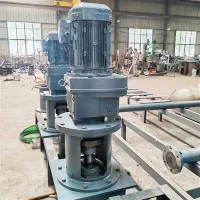
What is the fatigue life of a screw jack system? That's a question I get a lot as a supplier of screw jack systems. In this blog post, I'm gonna break down what fatigue life means for these systems, what factors can affect it, and how you can make it last longer.
First off, let's talk about what fatigue life is. Simply put, the fatigue life of a screw jack system is the amount of time or the number of cycles it can handle before it starts to show signs of wear and tear that could lead to failure. It's like how many miles you can drive your car before the engine starts to give you trouble.
Now, there are a bunch of things that can affect the fatigue life of a screw jack system. One of the biggies is the load it has to carry. If you're using a screw jack to lift really heavy stuff all the time, it's gonna wear out faster than if it's just moving something light. Think of it like if you were constantly lifting a huge weight at the gym - your muscles would get tired a lot quicker than if you were just doing some light dumbbell exercises.
The speed at which the screw jack operates also plays a role. If it's running at a high speed for long periods, the stress on the components increases, and that can shorten its fatigue life. It's kind of like if you were running a race at full - tilt all the time. Your body would break down faster than if you were jogging at a more moderate pace.
Another factor is the environment where the screw jack is used. If it's in a dirty, dusty, or corrosive environment, the parts can get damaged more easily. For example, if there's a lot of sand in the air and it gets into the moving parts of the screw jack, it can act like sandpaper, wearing down the surfaces. And in a corrosive environment, like a place with a lot of salt water, the metal parts can start to rust, weakening the whole system.
Material quality is key too. High - quality materials are more resistant to fatigue. For instance, if the screw of the jack is made from a tough alloy, it can withstand more stress and last longer compared to a screw made from a lower - grade metal.
Maintenance also has a huge impact on the fatigue life of a screw jack system. Regular lubrication is essential. Just like you oil a machine to make it run smoothly, lubricating the moving parts of a screw jack reduces friction. When there's less friction, there's less wear and tear on the components. And don't forget about inspections. Checking for signs of damage, loose parts, or abnormal wear can help you catch problems early and prevent further damage.
Okay, so now that we know what affects fatigue life, how can we estimate it? Well, there are some formulas and methods out there, but it's not an exact science. Engineers usually use data from tests and real - world experience to make an educated guess. They look at things like the load, speed, and material properties, and then use mathematical models to predict how long the system will last under certain conditions.


But here's the deal - every application is different. Maybe you're using a screw jack in a manufacturing plant to lift heavy machinery, or perhaps you're using it in a small DIY project. The conditions and requirements can vary widely. That's why, as a supplier, I always recommend having a detailed discussion about your specific needs.
We offer a range of screw jack systems, each designed with different capacities and features to suit various applications. For example, our Mini Electric Screw Jack is great for small - scale projects where space is limited and the load is relatively light. It's compact and efficient, but don't let its size fool you - it's built to last.
If you need something a bit more heavy - duty, our JTB Electric Screw Jack might be the way to go. It can handle larger loads and is designed for more demanding industrial applications. And for those who need a balance between size and capacity, our Small Electric Screw Jack provides a great option.
In order to get the best fatigue life out of your screw jack system, it's important to choose the right one for your job. A system that's over - capacity might cost you more upfront, but it's likely to last longer and require less maintenance in the long run. On the other hand, using an under - capacity system can lead to premature failure and costly repairs.
We understand that making the right choice can be tricky. That's why our team of experts is here to help. Whether you're not sure about the load requirements, the operating conditions, or just need some general advice, we're just a call or an email away.
If you're in the market for a screw jack system, don't hesitate to reach out. We can work with you to understand your specific needs and recommend the best solution. We've got the knowledge and experience to make sure you get a system that not only meets your current requirements but also has a long fatigue life, saving you time and money in the process.
So, if you're interested in discussing your screw jack system needs, drop us a line. We're eager to start a conversation and help you find the perfect fit for your project.
References
- Machinery's Handbook: A comprehensive source of information on mechanical engineering topics, including screw jack design and fatigue analysis.
- Standards and guidelines from relevant industry associations for screw jack manufacturing and usage.