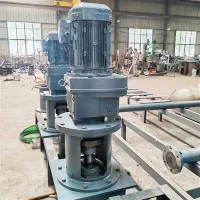
Misalignment in a worm gear reducer can have far - reaching and detrimental effects on the performance and longevity of the worm and gear components. As a supplier of worm gear reducers, I have witnessed firsthand the problems that misalignment can cause, and I'm here to shed light on this crucial issue.
Understanding Worm Gear Reducers
Before delving into the effects of misalignment, it's essential to understand the basic working principle of worm gear reducers. A worm gear reducer consists of a worm (a screw - like shaft) and a gear (a toothed wheel). The worm meshes with the gear, and when the worm rotates, it drives the gear, providing a high - reduction ratio in a compact design. Worm gear reducers are widely used in various industries, including manufacturing, automation, and conveyors, due to their ability to transmit power at right angles and their high torque capacity.
We offer a variety of worm gear reducers, such as the Cylindrical Worm Reducer, NMRV Series Worm Gear Reducer, and Worm Gear Speed Reducer. Each type has its own unique features and applications, but they all rely on the proper alignment of the worm and gear for optimal performance.
Types of Misalignment
There are several types of misalignment that can occur in a worm gear reducer:
- Parallel Misalignment: This happens when the axes of the worm and the gear are parallel but not in the correct position relative to each other. It can be either horizontal or vertical parallel misalignment.
- Angular Misalignment: Here, the axes of the worm and the gear are not parallel, creating an angle between them. This can be caused by improper installation or wear and tear on the mounting components.
- Combined Misalignment: As the name suggests, this is a combination of parallel and angular misalignment, which is often the most challenging to detect and correct.
Effects of Misalignment on the Worm and Gear
1. Uneven Load Distribution
One of the most significant effects of misalignment is uneven load distribution across the teeth of the worm and gear. In a properly aligned system, the load is evenly distributed over the contact area of the teeth, allowing for smooth operation and efficient power transmission. However, when misalignment occurs, the load is concentrated on a smaller area of the teeth. For example, in the case of angular misalignment, the teeth on one side of the gear may bear a much higher load than the teeth on the other side. This uneven load distribution leads to increased stress on the teeth, which can cause premature wear and failure.


2. Increased Friction and Heat Generation
Misalignment also increases the friction between the worm and the gear. When the teeth do not mesh properly due to misalignment, there is more sliding and rubbing action between them. This increased friction not only reduces the efficiency of the reducer but also generates a significant amount of heat. Excessive heat can cause the lubricant to break down, leading to further wear and tear on the components. Over time, the high temperatures can also cause thermal expansion of the worm and gear, which can exacerbate the misalignment problem and lead to even more severe damage.
3. Accelerated Wear and Tear
The combination of uneven load distribution and increased friction results in accelerated wear and tear on the worm and gear. The teeth may start to show signs of pitting, scoring, or even breakage. Pitting occurs when small pits or cavities form on the surface of the teeth due to the high contact stress. Scoring is the result of abrasive wear, where the metal on the teeth is gradually worn away. If left unaddressed, these wear patterns can progress to the point where the teeth are no longer able to transmit power effectively, and the entire reducer may need to be replaced.
4. Noise and Vibration
Misaligned worm and gear components often produce excessive noise and vibration during operation. The uneven meshing of the teeth causes irregular forces to be applied, which results in vibrations. These vibrations can be transmitted throughout the entire system, causing additional stress on other components and potentially leading to loose connections or damage to surrounding equipment. The noise generated by the misaligned gears can also be a nuisance in the workplace and may indicate a serious problem that needs to be addressed.
5. Reduced Efficiency
Efficiency is a critical factor in any power transmission system, and misalignment can significantly reduce the efficiency of a worm gear reducer. The increased friction and uneven load distribution mean that more energy is wasted in the form of heat and vibration, rather than being used to drive the load. This not only increases the operating costs but also limits the overall performance of the system. For example, a misaligned reducer may not be able to achieve the desired speed or torque output, which can affect the productivity of the machinery it is powering.
Detecting and Correcting Misalignment
Detecting misalignment early is crucial to prevent further damage to the worm and gear. There are several methods for detecting misalignment, including visual inspection, vibration analysis, and laser alignment tools. Visual inspection can reveal obvious signs of wear or damage on the teeth, which may indicate misalignment. Vibration analysis measures the vibrations produced by the reducer during operation and can detect abnormal patterns that may be caused by misalignment. Laser alignment tools are the most accurate method, as they can precisely measure the alignment of the worm and gear axes.
Once misalignment is detected, it needs to be corrected promptly. This may involve adjusting the mounting of the reducer, realigning the shafts, or replacing damaged components. In some cases, it may be necessary to seek the assistance of a professional technician to ensure that the alignment is done correctly.
Importance of Proper Installation and Maintenance
To avoid misalignment issues, proper installation and regular maintenance are essential. During installation, it is crucial to follow the manufacturer's guidelines carefully, ensuring that the reducer is mounted correctly and the shafts are aligned accurately. This may involve using alignment tools and checking the alignment at multiple points during the installation process.
Regular maintenance also plays a vital role in preventing misalignment. This includes checking the alignment periodically, inspecting the lubricant level and quality, and looking for signs of wear and tear on the worm and gear. By performing these maintenance tasks regularly, any potential misalignment issues can be detected and corrected before they cause significant damage.
Conclusion
Misalignment in a worm gear reducer can have a profound impact on the performance and longevity of the worm and gear components. It leads to uneven load distribution, increased friction and heat generation, accelerated wear and tear, noise and vibration, and reduced efficiency. As a supplier of worm gear reducers, we are committed to providing high - quality products and offering support to our customers in ensuring proper installation and maintenance.
If you are experiencing issues with misalignment in your worm gear reducer or are looking to purchase a new one, we encourage you to reach out to us for professional advice and solutions. Our team of experts can help you select the right reducer for your application and ensure that it is installed and maintained correctly to avoid misalignment problems. Contact us today to start a discussion about your specific needs and how we can assist you in achieving optimal performance from your worm gear reducer.
References
- Budynas, R. G., & Nisbett, J. K. (2011). Shigley's Mechanical Engineering Design. McGraw - Hill.
- Townsend, D. P. (1992). Dudley's Gear Handbook: Design, Manufacture, and Application. Marcel Dekker.
- Mabie, H. H., & Reinholtz, C. F. (1987). Mechanisms and Dynamics of Machinery. Wiley.