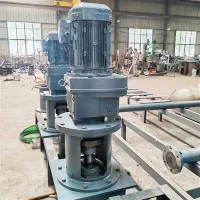
Speed reducers are crucial components in a wide range of industrial applications, from Biomass Pelletizing Machine to Wood Chip Straw Pellet Machine and Concentration Tank Reducer. As a supplier of speed reducers, I understand the importance of safety when using these devices. In this blog post, I will discuss the key safety considerations that users should keep in mind to ensure the proper and safe operation of speed reducers.
1. Installation Safety
The first step in ensuring the safe use of a speed reducer is proper installation. Incorrect installation can lead to premature wear, overheating, and even mechanical failure. Here are some installation safety tips:


- Follow Manufacturer's Instructions: Always refer to the manufacturer's installation manual for detailed instructions. The manual provides specific guidelines on mounting, alignment, and connection procedures. For example, some speed reducers require a certain level of flatness on the mounting surface to prevent vibration and misalignment.
- Proper Alignment: Misalignment between the motor and the speed reducer can cause excessive stress on the gears and bearings, leading to premature failure. Use precision alignment tools to ensure that the input and output shafts are perfectly aligned. Laser alignment systems are commonly used in industrial settings for accurate alignment.
- Secure Mounting: The speed reducer should be securely mounted to prevent movement during operation. Use appropriate bolts and fasteners, and ensure that they are tightened to the recommended torque values. Loose mounting can cause vibration, which not only affects the performance of the speed reducer but also poses a safety hazard.
2. Operating Environment
The operating environment plays a significant role in the safety and performance of speed reducers. Consider the following factors:
- Temperature: Extreme temperatures can affect the lubrication and mechanical properties of the speed reducer. High temperatures can cause the lubricant to break down, leading to increased friction and wear. On the other hand, low temperatures can make the lubricant too viscous, reducing its effectiveness. Ensure that the speed reducer is operated within the recommended temperature range. If necessary, use cooling or heating systems to maintain the optimal temperature.
- Humidity and Moisture: Moisture can cause corrosion and rust, which can damage the gears, bearings, and other components of the speed reducer. In humid environments, it is important to use a speed reducer with proper sealing to prevent moisture ingress. Additionally, regular inspections should be conducted to check for signs of corrosion and take appropriate measures to prevent further damage.
- Dust and Debris: Dust and debris can enter the speed reducer and cause abrasion and wear. In dusty environments, use protective covers and filters to prevent the entry of foreign particles. Regular cleaning of the speed reducer and its surroundings is also essential to maintain its performance and safety.
3. Lubrication
Proper lubrication is essential for the smooth operation and longevity of speed reducers. Here are some lubrication safety considerations:
- Use the Right Lubricant: Different speed reducers require different types of lubricants. Refer to the manufacturer's recommendations to select the appropriate lubricant based on factors such as operating temperature, load, and speed. Using the wrong lubricant can lead to poor performance and premature failure.
- Regular Lubrication Checks: Establish a regular lubrication maintenance schedule to ensure that the lubricant level is sufficient and that the lubricant is in good condition. Check for signs of contamination, such as the presence of metal particles or water, which can indicate internal wear or damage.
- Lubrication Quantity: Over - lubrication or under - lubrication can both cause problems. Over - lubrication can lead to excessive heat generation and increased energy consumption, while under - lubrication can result in increased friction and wear. Follow the manufacturer's guidelines for the correct lubrication quantity.
4. Maintenance and Inspection
Regular maintenance and inspection are crucial for the safe and reliable operation of speed reducers. Here are some key points:
- Scheduled Maintenance: Develop a comprehensive maintenance schedule that includes tasks such as lubricant changes, filter replacements, and component inspections. Adhere to the schedule to prevent unexpected breakdowns and ensure the long - term performance of the speed reducer.
- Visual Inspections: Conduct regular visual inspections of the speed reducer to check for signs of wear, damage, or leakage. Look for cracks in the housing, loose bolts, and abnormal noise or vibration during operation. Early detection of problems can prevent more serious failures and reduce the risk of accidents.
- Component Replacement: Replace worn or damaged components in a timely manner. Gears, bearings, and seals are common components that may need to be replaced over time. Use high - quality replacement parts to ensure the continued safety and performance of the speed reducer.
5. Operator Training
Proper operator training is essential to ensure the safe use of speed reducers. Operators should be trained on the following aspects:
- Operating Procedures: Train operators on the correct operating procedures for the speed reducer, including startup, shutdown, and normal operation. They should understand how to monitor the performance of the speed reducer and recognize any abnormal conditions.
- Safety Precautions: Educate operators on the safety precautions associated with the use of speed reducers, such as wearing appropriate personal protective equipment (PPE), avoiding contact with moving parts, and following lockout/tagout procedures during maintenance.
- Emergency Response: Provide training on emergency response procedures in case of a speed reducer failure or other unexpected events. Operators should know how to shut down the equipment safely and take appropriate measures to prevent further damage or injury.
6. Overload Protection
Overloading a speed reducer can cause serious damage and pose a safety risk. Here are some ways to protect against overload:
- Use Overload Protection Devices: Install overload protection devices, such as torque limiters or current sensors, to prevent the speed reducer from being overloaded. These devices can automatically shut down the equipment or reduce the load when an overload condition is detected.
- Proper Sizing: Ensure that the speed reducer is properly sized for the application. Consider factors such as the required torque, speed, and load when selecting a speed reducer. An undersized speed reducer is more likely to be overloaded, while an oversized speed reducer may be inefficient and costly.
7. Electrical Safety
If the speed reducer is powered by an electric motor, electrical safety is of utmost importance. Here are some electrical safety considerations:
- Proper Wiring: Ensure that the electrical wiring is properly installed and connected. Use appropriate wire sizes and follow electrical codes and standards. Loose or incorrect wiring can cause electrical shorts, which can lead to fires or electrical shocks.
- Grounding: Proper grounding is essential to prevent electrical shocks. The speed reducer and its associated electrical components should be grounded according to the electrical code requirements.
- Electrical Protection: Install electrical protection devices, such as circuit breakers and fuses, to protect the speed reducer and the electrical system from overcurrent and short - circuit conditions.
Conclusion
Safety is a top priority when using speed reducers. By following the safety considerations outlined in this blog post, users can ensure the proper and safe operation of their speed reducers, reduce the risk of accidents and breakdowns, and extend the service life of the equipment. As a speed reducer supplier, we are committed to providing high - quality products and professional advice to help our customers achieve optimal safety and performance. If you have any questions or need assistance with your speed reducer needs, please feel free to contact us for procurement and further discussion.
References
- Manufacturer's installation and operation manuals for speed reducers.
- Industrial standards and guidelines related to speed reducer safety, such as ISO standards.
- Technical literature on gear and bearing technology.