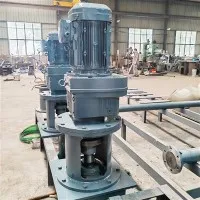
In the industrial landscape, agitators play a crucial role in various processes, from chemical mixing to food processing. As a supplier of agitators, I have had the opportunity to closely observe the market and understand the diverse motivations behind the actions of those who purchase and use these machines. This blog post aims to delve into the key factors that drive the decisions of agitator users and how these motivations shape the industry.
Efficiency and Productivity
One of the primary motivations behind the use of agitators is to improve efficiency and productivity in industrial processes. In many manufacturing operations, the proper mixing of substances is essential for achieving consistent product quality. Agitators help to ensure that all components are thoroughly blended, reducing the time and effort required for manual mixing. For example, in the chemical industry, Chemical Agitator are used to combine different chemicals in precise proportions, accelerating reaction times and increasing the overall output of the production line.
In the food and beverage industry, agitators are used to mix ingredients, emulsify liquids, and prevent sedimentation. This not only improves the quality of the final product but also allows for faster production cycles. By automating the mixing process, companies can reduce labor costs and increase the quantity of products they can produce in a given time frame.
Quality Control
Maintaining high product quality is another significant motivation for using agitators. In industries where the consistency of a product is critical, such as pharmaceuticals and cosmetics, precise mixing is essential. Agitators are designed to provide uniform mixing, ensuring that every batch of product meets the required specifications. This helps to minimize variations in product quality and reduces the risk of defects or recalls.
For instance, in the pharmaceutical industry, Top Entry Agitator are used to mix active ingredients with excipients in the production of tablets and capsules. The uniform distribution of these components is crucial for the effectiveness and safety of the medication. By using agitators, pharmaceutical companies can ensure that each dose of the drug contains the correct amount of active ingredient, providing patients with reliable treatment.
Cost Savings
Cost savings are a major consideration for businesses when investing in agitators. While the initial purchase price of an agitator can be significant, the long - term benefits often outweigh the costs. By improving efficiency and productivity, agitators can reduce the amount of raw materials wasted during the mixing process. For example, in the paint industry, proper mixing with an agitator ensures that pigments are evenly dispersed, reducing the need for additional paint to achieve the desired color and finish.
In addition, agitators can help to extend the lifespan of equipment by preventing the buildup of sediment and deposits. This reduces the frequency of maintenance and repair, saving both time and money. By choosing the right agitator for their specific needs, companies can optimize their operations and achieve significant cost savings over time.
Environmental Considerations
In recent years, environmental concerns have become an important motivation for the use of agitators. Many industries are under increasing pressure to reduce their environmental impact, and agitators can play a role in this effort. For example, in the wastewater treatment industry, Side Entry Tank Mixers are used to mix chemicals and aerate the water, improving the efficiency of the treatment process. This helps to reduce the amount of pollutants released into the environment.


In the chemical industry, agitators can be used to optimize reactions, reducing the amount of energy required and minimizing the production of waste by - products. By choosing energy - efficient agitators, companies can not only reduce their carbon footprint but also save on energy costs.
Innovation and Technology Advancements
The continuous advancement of agitator technology is also a driving force behind the actions of agitator users. Newer models of agitators offer improved features such as variable speed control, advanced mixing algorithms, and remote monitoring capabilities. These technological innovations allow for more precise and efficient mixing, as well as better control over the mixing process.
For example, some modern agitators are equipped with sensors that can monitor the temperature, viscosity, and other parameters of the mixture in real - time. This data can be used to adjust the agitator's speed and operation, ensuring optimal mixing conditions. As a result, companies are motivated to upgrade their existing agitators or invest in new, more advanced models to stay competitive in the market.
Regulatory Compliance
In many industries, compliance with regulations is a non - negotiable requirement. Agitators can help companies meet these regulatory standards. For example, in the food industry, there are strict regulations regarding the hygiene and safety of food products. Agitators are designed to be easy to clean and sanitize, reducing the risk of contamination.
In the chemical industry, regulations govern the handling and disposal of chemicals. Agitators can be used to ensure that chemicals are mixed and stored safely, preventing leaks and spills that could pose a risk to the environment and human health. By using agitators that meet regulatory requirements, companies can avoid costly fines and legal issues.
Adaptability to Different Processes
The ability of agitators to be adapted to different processes is another important motivation for their use. Different industries have unique mixing requirements, and agitators can be customized to meet these specific needs. For example, in the mining industry, agitators are used to mix ore with chemicals to extract valuable metals. These agitators need to be robust and capable of handling abrasive materials.
On the other hand, in the biotechnology industry, agitators are used to culture cells in bioreactors. These agitators need to provide gentle mixing to avoid damaging the cells. As a supplier, we offer a wide range of agitators that can be tailored to the specific requirements of different industries, allowing companies to find the perfect solution for their mixing needs.
Market Competition
In a highly competitive market, companies are constantly looking for ways to differentiate themselves from their competitors. Using high - quality agitators can give a company an edge by improving product quality, reducing costs, and increasing efficiency. By investing in the latest agitator technology, companies can produce better products at a lower cost, making them more attractive to customers.
For example, in the consumer goods industry, companies that can offer products with a more consistent quality and better performance are more likely to succeed. Agitators play a crucial role in achieving these goals, motivating companies to make strategic investments in their mixing equipment.
Conclusion
The motivations behind the actions of agitator users are diverse and complex, ranging from efficiency and quality control to environmental concerns and regulatory compliance. As a supplier of agitators, we understand the importance of these factors and strive to provide our customers with the best possible solutions. Our range of Side Entry Tank Mixers, Chemical Agitator, and Top Entry Agitator are designed to meet the specific needs of different industries, helping our customers to achieve their goals.
If you are interested in learning more about our agitators or would like to discuss your specific mixing requirements, we encourage you to reach out to us for a detailed consultation. Our team of experts is ready to assist you in finding the perfect agitator solution for your business.
References
- "Industrial Mixing: Science and Practice" by Edward L. Paul, Victor A. Atiemo - Obeng, and Suzanne M. Kresta.
- "Agitator Design Handbook" by various industry experts.
- Industry reports from market research firms specializing in the agitator industry.