

Bevel gear jacks are essential mechanical devices used in various industries for lifting, lowering, and positioning heavy loads. As a reputable bevel gear jack supplier, I have encountered numerous issues with these products over the years. In this blog post, I will discuss the common failures of bevel gear jacks and provide practical solutions to address them.
Common Failures of Bevel Gear Jacks
1. Gear Wear
One of the most prevalent issues with bevel gear jacks is gear wear. Over time, the constant meshing of the bevel gears can cause the teeth to wear down. This wear can be accelerated by factors such as improper lubrication, overloading, or the presence of contaminants in the gearbox. When the gears wear, the efficiency of the jack decreases, and it may become difficult to operate. In severe cases, the gears may break, leading to a complete failure of the jack.
2. Lubrication Problems
Lubrication is crucial for the smooth operation of bevel gear jacks. Insufficient lubrication can cause increased friction between the gears, leading to overheating and premature wear. On the other hand, using the wrong type of lubricant or allowing the lubricant to become contaminated can also cause problems. Contaminated lubricant may contain abrasive particles that can damage the gears and other components of the jack.
3. Screw Thread Damage
The screw thread in a bevel gear jack is responsible for converting the rotational motion of the gears into linear motion. Damage to the screw thread can occur due to overloading, improper alignment, or corrosion. A damaged screw thread can cause the jack to operate erratically or fail to lift the load properly.
4. Bearing Failure
Bearings are used in bevel gear jacks to support the rotating components and reduce friction. Bearing failure can occur due to factors such as excessive load, lack of lubrication, or contamination. When a bearing fails, it can cause noise, vibration, and increased wear on other components of the jack.
5. Misalignment
Misalignment of the bevel gears or the screw can cause significant problems in a bevel gear jack. Misalignment can occur during installation or due to external forces acting on the jack. When the components are misaligned, the gears may not mesh properly, leading to increased wear, noise, and reduced efficiency.
Solutions to Common Failures
1. Gear Wear
- Regular Inspection: Conduct regular visual inspections of the gears to detect signs of wear early. Look for signs such as pitting, scoring, or excessive tooth wear.
- Proper Lubrication: Ensure that the gears are properly lubricated at all times. Use a high - quality lubricant recommended by the manufacturer and follow the recommended lubrication schedule.
- Load Management: Avoid overloading the bevel gear jack. Refer to the manufacturer's load capacity specifications and ensure that the load being lifted is within the recommended limits.
2. Lubrication Problems
- Use the Right Lubricant: Select a lubricant that is specifically designed for bevel gear jacks. Consider factors such as the operating temperature, load, and speed of the jack when choosing a lubricant.
- Regular Lubricant Changes: Follow the manufacturer's recommendations for lubricant change intervals. Regularly changing the lubricant helps to remove contaminants and ensure optimal performance.
- Contamination Prevention: Keep the gearbox clean and sealed to prevent contaminants from entering. Use appropriate seals and gaskets and avoid operating the jack in dirty or dusty environments.
3. Screw Thread Damage
- Proper Installation: Ensure that the screw is properly installed and aligned during the installation process. Follow the manufacturer's installation instructions carefully.
- Load Distribution: Distribute the load evenly on the screw to prevent excessive stress on the threads. Use appropriate load - spreading devices if necessary.
- Corrosion Protection: If the jack is used in a corrosive environment, apply a corrosion - resistant coating to the screw thread. Regularly inspect the screw for signs of corrosion and take appropriate measures to prevent further damage.
4. Bearing Failure
- Proper Lubrication: Bearings require proper lubrication to operate smoothly. Follow the manufacturer's lubrication recommendations for the bearings.
- Load Monitoring: Monitor the load on the jack to ensure that the bearings are not overloaded. If the load exceeds the bearing's capacity, consider upgrading the bearings or reducing the load.
- Regular Inspection: Regularly inspect the bearings for signs of wear, such as noise, vibration, or play. Replace the bearings at the first sign of failure.
5. Misalignment
- Precise Installation: During installation, use precision alignment tools to ensure that the bevel gears and the screw are properly aligned. Follow the manufacturer's alignment specifications.
- Regular Checks: Periodically check the alignment of the components during the operation of the jack. If misalignment is detected, make the necessary adjustments promptly.
Our Product Range
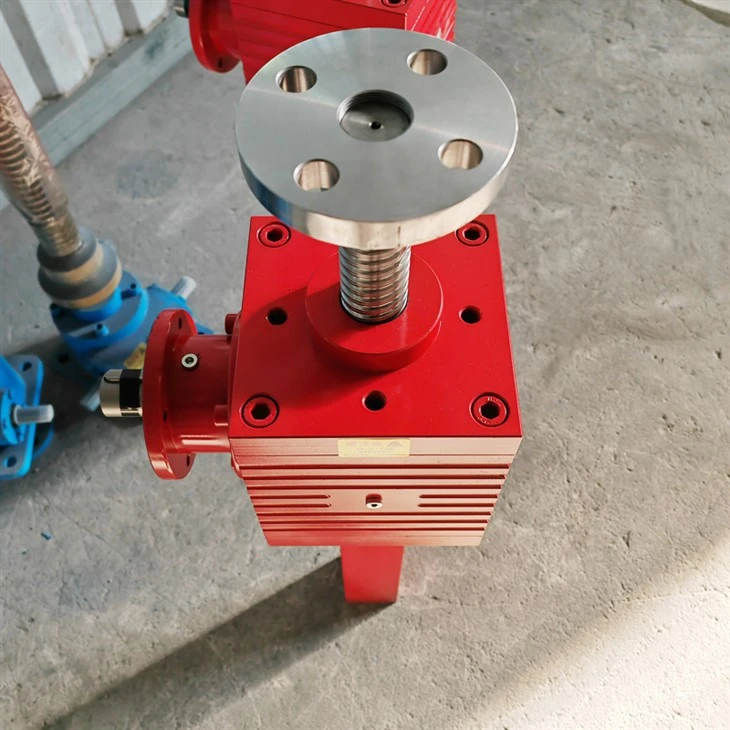
As a bevel gear jack supplier, we offer a wide range of high - quality bevel gear jacks to meet the diverse needs of our customers. Our product range includes Bevel Gear Ball Screw Jack, Bevel Gear Screw Jack, and Bevel Gear Machine Rotating Screw Jack. These products are designed and manufactured to the highest standards, ensuring reliable performance and long service life.

Contact Us for Procurement
If you are in the market for bevel gear jacks or need further assistance with the maintenance and troubleshooting of your existing jacks, we are here to help. Our team of experts can provide you with professional advice and support to ensure that you get the most out of your bevel gear jacks. Contact us today to discuss your requirements and start a procurement negotiation.
References
- Machinery's Handbook, 31st Edition
- Industrial Machinery Maintenance Manual, 5th Edition


