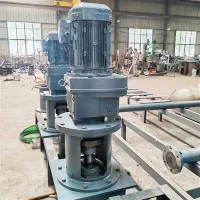
Hey there! I'm a supplier of Ball Screw Elevators, and I know that sometimes these nifty machines can throw a few curveballs. But don't worry, I'm here to walk you through how to troubleshoot a ball screw elevator. Let's dive right in!
Understanding the Basics
First off, a ball screw elevator, like the ones you can check out Ball Screw Elevator, is a device that uses a ball screw mechanism to convert rotational motion into linear motion. It's widely used in various industries for lifting, lowering, and positioning applications. But when things go wrong, it can be a real headache.
Common Issues and Solutions
1. No Movement
One of the most common problems is when the elevator just won't move. This could be due to several reasons.
- Power Supply: Check if the power is properly connected. A loose or damaged power cable can prevent the elevator from operating. Make sure the power switch is on and that there are no blown fuses.
- Motor Problems: The motor might be the culprit. Listen for any strange noises coming from the motor. If it's making a humming sound but not moving, it could be overloaded or have a mechanical issue. Check the motor's wiring and connections. Sometimes, a simple reset can solve the problem.
- Mechanical Blockage: There could be something blocking the movement of the ball screw. Inspect the elevator for any debris, such as dirt, dust, or foreign objects. Remove any obstructions carefully.
2. Erratic Movement
If the elevator is moving in an unpredictable manner, here's what you can do.


- Lubrication: Insufficient lubrication can cause the ball screw to move unevenly. Check the lubrication levels and make sure the ball screw is properly lubricated. Use the recommended lubricant for your specific elevator model.
- Belt or Chain Tension: If your elevator uses a belt or chain drive, check the tension. A loose or too - tight belt or chain can lead to erratic movement. Adjust the tension according to the manufacturer's instructions.
- Sensor Malfunction: Some ball screw elevators are equipped with sensors to control the movement. A faulty sensor can cause the elevator to behave erratically. Check the sensors for any damage or loose connections. You may need to replace the sensor if it's not working properly.
3. Excessive Noise
Unusual noises can be a sign of a problem.
- Worn - Out Components: Over time, the ball bearings, nuts, or screws can wear out, causing noise. Inspect these components for signs of wear and tear. If you notice any damage, replace the worn - out parts.
- Misalignment: Misaligned components can also generate noise. Check the alignment of the ball screw, motor, and other parts. Use a level and other alignment tools to ensure everything is properly aligned.
- Loose Fasteners: Loose bolts, nuts, or screws can vibrate and create noise. Go through the elevator and tighten all the fasteners.
4. Overheating
Overheating is a serious issue that needs to be addressed immediately.
- Overloading: If the elevator is carrying a load that exceeds its capacity, it can overheat. Check the load and make sure it's within the rated capacity of the elevator.
- Poor Ventilation: Insufficient ventilation can cause the motor and other components to overheat. Make sure the elevator has adequate ventilation. Clean any air vents to ensure proper airflow.
- Electrical Problems: Electrical issues, such as short circuits or high - resistance connections, can also lead to overheating. Check the electrical system for any signs of damage or malfunction.
Advanced Troubleshooting
If the basic troubleshooting steps don't solve the problem, you may need to dig deeper.
- Diagnostic Tools: Use diagnostic tools, such as multimeters and oscilloscopes, to check the electrical parameters of the elevator. These tools can help you identify any electrical problems that are not visible to the naked eye.
- Software Issues: Some modern ball screw elevators are controlled by software. If you suspect a software issue, check for any error messages on the control panel. You may need to update the software or perform a factory reset.
Preventive Maintenance
Prevention is always better than cure. Here are some tips for preventive maintenance.
- Regular Inspections: Conduct regular inspections of the elevator to check for any signs of wear, damage, or loose components. This can help you catch problems early and prevent major breakdowns.
- Lubrication Schedule: Follow a regular lubrication schedule. Proper lubrication not only ensures smooth operation but also extends the lifespan of the elevator.
- Load Management: Always operate the elevator within its rated capacity. Overloading can cause premature wear and tear and increase the risk of breakdowns.
Specialized Elevator Models
We also offer specialized models like the High Load Stainless Steel Screw Jack and High Performance Screw Jack. These models may have specific troubleshooting requirements. For example, the high - load stainless steel screw jack is designed for heavy - duty applications, so it's important to pay extra attention to the load capacity and the integrity of the stainless - steel components. The high - performance screw jack, on the other hand, may have more advanced control systems, so understanding the software and sensor functions is crucial.
Conclusion
Troubleshooting a ball screw elevator can seem daunting at first, but with a systematic approach, you can identify and solve most problems. Remember to always follow safety procedures when working on the elevator. If you're still having trouble after trying all the troubleshooting steps, don't hesitate to reach out to us.
As a leading supplier of ball screw elevators, we're here to support you. Whether you need replacement parts, technical advice, or want to discuss a new purchase, we're just a message away. Contact us for all your ball screw elevator needs, and let's work together to keep your operations running smoothly.
References
- Manufacturer's manuals for ball screw elevators
- Industry standards and best practices for elevator maintenance and troubleshooting