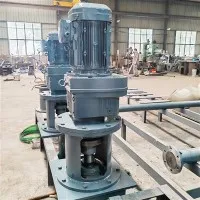
Hey there! I'm a supplier of speed reducers, and I've seen my fair share of damaged ones over the years. In this blog, I'll walk you through how to repair a damaged speed reducer. Whether you're a DIY enthusiast or a professional mechanic, these tips should come in handy.
Step 1: Identify the Problem
The first thing you need to do is figure out what's wrong with the speed reducer. There are a few common issues that can cause problems:
- Worn Gears: Over time, the gears in a speed reducer can wear down, causing noise, vibration, and reduced efficiency. You might hear a grinding or whining sound when the speed reducer is running.
- Leaking Seals: Seals are used to keep the lubricant inside the speed reducer and prevent dirt and debris from getting in. If a seal is damaged or worn, it can leak oil, which can lead to overheating and other problems.
- Bearing Failure: Bearings support the rotating shafts in the speed reducer. If a bearing fails, it can cause excessive noise, vibration, and even shaft damage.
- Misalignment: If the speed reducer is not properly aligned with the motor or the driven equipment, it can cause uneven wear on the gears and bearings, leading to premature failure.
To identify the problem, you'll need to do a visual inspection of the speed reducer. Look for signs of oil leaks, damaged gears, or loose parts. You can also listen for unusual noises or vibrations while the speed reducer is running. If you're not sure what's wrong, it might be a good idea to consult a professional.
Step 2: Gather the Tools and Parts
Once you've identified the problem, you'll need to gather the tools and parts you'll need for the repair. Here are some of the tools you might need:
- Socket Set: You'll need a socket set to remove and install bolts and nuts.
- Wrenches: A set of wrenches will also come in handy for tightening and loosening bolts.
- Screwdrivers: You'll need screwdrivers to remove and install screws.
- Pliers: Pliers can be used to grip and pull wires or other small parts.
- Lubricant: You'll need to use lubricant to lubricate the gears and bearings after the repair.
- Sealant: If you're replacing a seal, you'll need to use sealant to prevent leaks.
You'll also need to order the parts you'll need for the repair. If you're replacing a gear or a bearing, make sure you get the right part for your speed reducer. You can usually find the part number on the speed reducer or in the manufacturer's manual.
Step 3: Disassemble the Speed Reducer
Before you can start the repair, you'll need to disassemble the speed reducer. Here are the general steps for disassembling a speed reducer:
- Remove the Cover: Use a socket set or a wrench to remove the bolts that hold the cover in place. Carefully remove the cover and set it aside.
- Drain the Oil: If there's oil in the speed reducer, you'll need to drain it before you can continue. Place a drain pan under the speed reducer and remove the drain plug. Let the oil drain out completely.
- Remove the Gears and Bearings: Use a socket set or a wrench to remove the bolts that hold the gears and bearings in place. Carefully remove the gears and bearings and set them aside.
- Inspect the Parts: Once you've removed the gears and bearings, inspect them for damage. Look for signs of wear, cracks, or other damage. If a part is damaged, you'll need to replace it.
Step 4: Repair or Replace the Damaged Parts
Once you've identified the damaged parts, you'll need to repair or replace them. Here are some common repairs and replacements:
- Replacing a Gear: If a gear is worn or damaged, you'll need to replace it. Make sure you get the right gear for your speed reducer. You can usually find the gear number on the speed reducer or in the manufacturer's manual.
- Replacing a Bearing: If a bearing is worn or damaged, you'll need to replace it. Make sure you get the right bearing for your speed reducer. You can usually find the bearing number on the speed reducer or in the manufacturer's manual.
- Replacing a Seal: If a seal is damaged or worn, you'll need to replace it. Use sealant to prevent leaks.
- Repairing a Shaft: If a shaft is damaged, you might be able to repair it by welding or machining. However, if the damage is severe, you'll need to replace the shaft.
Step 5: Reassemble the Speed Reducer
Once you've repaired or replaced the damaged parts, you'll need to reassemble the speed reducer. Here are the general steps for reassembling a speed reducer:
- Install the Gears and Bearings: Use a socket set or a wrench to install the gears and bearings. Make sure they're properly aligned and tightened.
- Install the Cover: Use a socket set or a wrench to install the bolts that hold the cover in place. Make sure the cover is properly aligned and tightened.
- Fill the Oil: Once the speed reducer is reassembled, you'll need to fill it with oil. Use the recommended type and amount of oil for your speed reducer. You can usually find this information in the manufacturer's manual.
Step 6: Test the Speed Reducer
After you've reassembled the speed reducer, you'll need to test it to make sure it's working properly. Here are the general steps for testing a speed reducer:
- Connect the Speed Reducer: Connect the speed reducer to the motor and the driven equipment. Make sure the speed reducer is properly aligned and tightened.
- Turn on the Motor: Turn on the motor and let the speed reducer run for a few minutes. Listen for any unusual noises or vibrations.
- Check the Oil Level: Check the oil level in the speed reducer. If the oil level is low, add more oil.
- Inspect the Speed Reducer: After the speed reducer has been running for a few minutes, turn off the motor and inspect the speed reducer for leaks or other problems.
If the speed reducer is working properly, you're done! If you're still having problems, you might need to consult a professional.
Conclusion
Repairing a damaged speed reducer can be a challenging task, but it's definitely doable if you have the right tools and knowledge. By following these steps, you should be able to repair your speed reducer and get it back up and running in no time.


If you're in the market for a new speed reducer or need parts for your existing one, we're here to help. We're a leading supplier of speed reducers, and we offer a wide range of products to meet your needs. Check out our Stainless Steel Mixing Tank, Wood Chip Straw Pellet Machine, and Biomass Wood Pellet Machine for more information.
If you have any questions or need help with your speed reducer, don't hesitate to contact us. We're always happy to help!
References
- Manufacturer's Manuals
- Industry Publications
- Online Forums and Communities