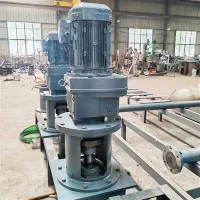
As a leading supplier of Ball Screw Elevators, I understand the importance of proper maintenance to ensure the longevity and optimal performance of these critical pieces of equipment. In this blog post, I'll share some essential tips on how to maintain a ball screw elevator effectively.
Understanding the Basics of a Ball Screw Elevator
Before delving into maintenance, it's crucial to have a basic understanding of what a ball screw elevator is. A ball screw elevator is a mechanical device that converts rotational motion into linear motion. It consists of a screw shaft, a nut with recirculating ball bearings, and a housing. The ball bearings reduce friction between the screw and the nut, allowing for smooth and efficient movement. This design makes ball screw elevators ideal for applications requiring high precision, such as in industrial automation, robotics, and machine tools.
Regular Inspection
Regular inspection is the cornerstone of ball screw elevator maintenance. It allows you to identify potential issues before they escalate into major problems. Here are some key areas to focus on during inspections:
Visual Inspection
- Check for Wear and Tear: Examine the screw shaft and the nut for signs of wear, such as scratches, grooves, or pitting. These can indicate that the ball bearings are not functioning properly or that there is excessive load on the elevator.
- Inspect the Ball Bearings: Look for any signs of damage or contamination on the ball bearings. Damaged bearings can cause uneven movement and increase friction, leading to premature failure of the elevator.
- Examine the Housing: Check the housing for cracks, dents, or other signs of damage. A damaged housing can compromise the structural integrity of the elevator and affect its performance.
Lubrication Inspection
- Check the Lubricant Level: Ensure that the ball screw elevator is properly lubricated. Insufficient lubrication can increase friction and wear, while over - lubrication can attract dirt and debris. Refer to the manufacturer's guidelines for the correct type and amount of lubricant to use.
- Inspect the Lubrication System: If the elevator has a lubrication system, check for any leaks or blockages. A malfunctioning lubrication system can lead to inadequate lubrication, which can damage the ball screw and bearings.
Alignment Inspection
- Verify the Alignment: Make sure that the ball screw elevator is properly aligned with the load and the driving mechanism. Misalignment can cause uneven stress on the components, leading to premature wear and failure. Use alignment tools to check and adjust the alignment as needed.
Cleaning
Regular cleaning is essential to prevent the accumulation of dirt, dust, and debris, which can cause damage to the ball screw elevator. Here's how to clean a ball screw elevator properly:
Surface Cleaning
- Use a Soft Brush or Cloth: Gently brush or wipe the exterior of the elevator to remove loose dirt and dust. Avoid using abrasive materials that can scratch the surface.
- Clean the Screw Shaft and Nut: Use a clean, lint - free cloth to wipe the screw shaft and the nut. If there is stubborn dirt or grease, you can use a mild cleaning agent recommended by the manufacturer.
Internal Cleaning
- Flush the Lubrication System: If the elevator has a lubrication system, follow the manufacturer's instructions to flush the system periodically. This helps to remove any contaminants that may have accumulated in the system.
- Clean the Ball Bearings: In some cases, it may be necessary to clean the ball bearings. However, this should be done carefully to avoid damaging the bearings. Use a cleaning solution recommended by the manufacturer and dry the bearings thoroughly before reassembling the elevator.
Lubrication
Proper lubrication is crucial for the smooth operation and longevity of a ball screw elevator. Here are some guidelines for lubricating a ball screw elevator:


Select the Right Lubricant
- Consider the Application: The type of lubricant you choose depends on the application of the elevator. For high - speed applications, a lubricant with low viscosity is recommended, while for high - load applications, a lubricant with high viscosity may be more suitable.
- Follow the Manufacturer's Recommendations: Always refer to the manufacturer's guidelines for the correct type of lubricant to use. Using the wrong lubricant can cause damage to the components and affect the performance of the elevator.
Lubrication Frequency
- Establish a Lubrication Schedule: Based on the operating conditions and the manufacturer's recommendations, establish a regular lubrication schedule. For example, in a high - use environment, the elevator may need to be lubricated more frequently than in a low - use environment.
- Monitor the Lubricant Condition: Regularly check the condition of the lubricant. If the lubricant appears dirty or contaminated, it should be replaced immediately.
Tightening and Adjustment
Over time, the fasteners and components of a ball screw elevator may become loose due to vibration and normal operation. Regular tightening and adjustment are necessary to ensure the safety and performance of the elevator.
Tighten the Fasteners
- Check the Bolts and Nuts: Use a torque wrench to check and tighten the bolts and nuts on the elevator periodically. Make sure to follow the manufacturer's recommended torque values to avoid over - tightening or under - tightening.
- Inspect the Couplings and Connections: Check the couplings and connections between the elevator and the driving mechanism. Ensure that they are tight and secure to prevent any slippage or misalignment.
Adjust the Preload
- Understand the Preload Concept: Preload is the initial force applied to the ball screw and the nut to eliminate clearance and improve the rigidity and accuracy of the elevator. Over time, the preload may change due to wear and other factors.
- Adjust the Preload as Needed: Use the appropriate tools and techniques to adjust the preload according to the manufacturer's instructions. This helps to maintain the optimal performance of the elevator.
Replacement of Worn Components
Despite regular maintenance, some components of the ball screw elevator will eventually wear out and need to be replaced. Here are some signs that indicate it's time to replace a component:
Excessive Wear
- Visible Damage: If you notice significant wear, such as deep grooves or cracks on the screw shaft, nut, or ball bearings, it's time to replace the component.
- Poor Performance: If the elevator is experiencing issues such as increased noise, vibration, or reduced accuracy, it may be due to worn components.
Age and Usage
- Follow the Manufacturer's Recommendations: The manufacturer usually provides guidelines on the expected lifespan of the components based on the usage and operating conditions. Replace the components according to these recommendations to prevent unexpected failures.
Conclusion
Maintaining a ball screw elevator is essential to ensure its reliable performance and longevity. By following the tips outlined in this blog post, you can keep your ball screw elevator in top condition. At our company, we are committed to providing high - quality ball screw elevators and excellent after - sales service. If you are interested in our Ball Screw Elevator, High Quality Ball Screw Jack, or JWB Series Ball Screw Jack, please contact us for more information and to initiate a procurement discussion.
References
- Manufacturer's manuals for ball screw elevators
- Industry standards and best practices for mechanical equipment maintenance