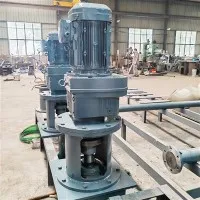
Improving the stability of a bevel gear jack during lifting is crucial for ensuring safe and efficient operations. As a supplier of bevel gear jacks, I understand the significance of this issue and have gained valuable insights through years of experience in the industry. In this blog post, I will share some practical tips and strategies on how to enhance the stability of bevel gear jacks during the lifting process.
Understanding the Basics of Bevel Gear Jacks
Before delving into the methods of improving stability, it's essential to have a basic understanding of bevel gear jacks. Bevel gear jacks are mechanical devices used for lifting heavy loads. They operate on the principle of converting rotational motion into linear motion through a bevel gear system. There are different types of bevel gear jacks available in the market, such as Bevel Gear Machine Rotating Screw Jack, Bevel Gear Ball Screw Jack, and Bevel Gear Screw Jack. Each type has its own unique features and applications, but they all share the common goal of providing reliable lifting solutions.
Factors Affecting the Stability of Bevel Gear Jacks
Several factors can influence the stability of bevel gear jacks during lifting. Understanding these factors is the first step towards improving stability.
Load Distribution
Uneven load distribution is one of the primary causes of instability in bevel gear jacks. When the load is not evenly distributed across the jack, it can cause the jack to tilt or tip over during lifting. To ensure proper load distribution, it's important to place the load directly over the center of the jack's lifting platform. Additionally, using load-spreading devices such as plates or pads can help distribute the load more evenly.
Base Stability
The stability of the jack's base is another critical factor. A weak or unstable base can lead to excessive movement or shifting of the jack during lifting, increasing the risk of accidents. To improve base stability, choose a jack with a wide and sturdy base. The base should be made of high-quality materials and have a sufficient surface area to provide a stable foundation. Additionally, ensure that the base is placed on a flat and level surface. If the surface is uneven, use shims or leveling devices to adjust the base and ensure a stable setup.
Gear Quality and Maintenance
The quality of the bevel gears used in the jack plays a significant role in its stability. High-quality gears are more durable and less likely to experience wear and tear, which can affect the smooth operation of the jack. Regular maintenance of the gears is also essential to ensure optimal performance. This includes lubricating the gears regularly to reduce friction and prevent overheating. Inspect the gears for signs of damage or wear, such as cracks, chips, or excessive play. If any issues are detected, replace the damaged gears immediately to avoid further problems.
Screw and Nut Assembly
The screw and nut assembly is another important component of the bevel gear jack. A loose or worn screw and nut can cause the jack to lose its stability during lifting. To ensure the stability of the screw and nut assembly, make sure they are properly tightened and adjusted. Check the threads for signs of damage or wear, and replace them if necessary. Additionally, use high-quality screws and nuts that are designed to withstand the load and stress of the lifting operation.
Strategies for Improving Stability
Based on the factors mentioned above, here are some strategies that can be implemented to improve the stability of bevel gear jacks during lifting.


Pre - Lift Inspection
Before using the bevel gear jack, conduct a thorough pre - lift inspection. Check the base for any signs of damage or instability, such as cracks or bent legs. Inspect the gears, screw, and nut assembly for wear and tear. Ensure that all the components are properly lubricated and tightened. This pre - lift inspection can help identify any potential issues and prevent accidents during the lifting process.
Proper Installation
Proper installation of the bevel gear jack is crucial for its stability. Follow the manufacturer's instructions carefully when installing the jack. Make sure the base is securely attached to the surface and that all the connections are tight. If the jack is being used in a multi - jack system, ensure that all the jacks are properly aligned and synchronized to prevent uneven load distribution.
Use of Stabilizing Accessories
There are several stabilizing accessories available that can enhance the stability of bevel gear jacks. For example, outriggers can be added to the base of the jack to increase its footprint and provide additional support. Anti - vibration pads can also be used to reduce the movement and vibration of the jack during lifting. These accessories can significantly improve the stability of the jack, especially when lifting heavy or bulky loads.
Operator Training
Proper operator training is essential for ensuring the safe and stable operation of bevel gear jacks. Operators should be trained on how to correctly use the jack, including how to load and unload the jack safely, how to operate the controls, and how to perform pre - lift and post - lift inspections. They should also be aware of the potential hazards associated with using the jack and how to prevent accidents. By providing comprehensive training to operators, the risk of instability and accidents can be significantly reduced.
Monitoring and Feedback
During the lifting process, it's important to monitor the performance of the bevel gear jack. Use sensors or monitoring devices to measure parameters such as load, displacement, and vibration. This data can provide valuable feedback on the stability of the jack and help identify any potential issues early on. If any abnormal readings are detected, stop the lifting operation immediately and investigate the cause.
Conclusion
Improving the stability of bevel gear jacks during lifting is a multi - faceted process that requires attention to various factors, including load distribution, base stability, gear quality, and operator training. By implementing the strategies outlined in this blog post, you can enhance the stability of your bevel gear jacks and ensure safe and efficient lifting operations.
As a bevel gear jack supplier, we are committed to providing high - quality products and professional advice to our customers. If you are interested in purchasing bevel gear jacks or have any questions about improving their stability, we encourage you to contact us for more information. Our team of experts is ready to assist you in finding the best solutions for your lifting needs.
References
- Mechanical Engineering Handbook, various editions
- Manufacturer's manuals for bevel gear jacks
- Industry standards and guidelines for lifting equipment safety