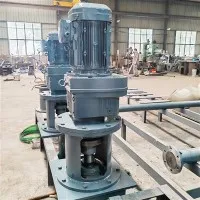
As a supplier of Cubic Screw Jacks, I understand the challenges that come with ensuring the smooth operation of these devices in low - temperature environments. In this blog post, I'll share some key strategies and considerations to help you maintain the performance of your cubic screw jacks even when the mercury drops.
Understanding the Impact of Low Temperatures on Cubic Screw Jacks
Low temperatures can have a significant impact on the mechanical and electrical components of cubic screw jacks. One of the most obvious effects is the change in the physical properties of materials. For example, metals become more brittle at low temperatures, which increases the risk of cracking or breaking under stress. Lubricants also thicken, reducing their ability to provide effective lubrication between moving parts. This can lead to increased friction, wear, and ultimately, a decrease in the overall efficiency of the screw jack.
In addition to these mechanical issues, low temperatures can also affect the electrical components of electric screw jacks. Batteries may have reduced capacity, and electrical motors may experience increased resistance, leading to decreased power output. These factors can make it difficult for the screw jack to operate smoothly and may even cause it to fail prematurely.
Selecting the Right Materials
The first step in ensuring the smooth operation of a cubic screw jack in a low - temperature environment is to select the right materials. When it comes to the structural components of the screw jack, materials with good low - temperature toughness are essential. Stainless steel is an excellent choice as it retains its strength and ductility at low temperatures. You can explore our Stainless Steel Screw Jack which is specifically designed to withstand harsh environmental conditions, including low temperatures.
For the lubricants used in the screw jack, it's crucial to choose ones that are formulated for low - temperature applications. These lubricants have a lower viscosity at low temperatures, ensuring that they can still flow freely and provide adequate lubrication. Consult with lubricant manufacturers to find the best product for your specific operating conditions.
Proper Installation and Maintenance
Proper installation is key to the long - term performance of a cubic screw jack, especially in a low - temperature environment. Make sure that the screw jack is installed on a stable and level surface to prevent any uneven stress on the components. During installation, pay close attention to the alignment of the screw and the nut, as misalignment can lead to increased friction and premature wear.
Regular maintenance is also essential. In low - temperature environments, it's important to inspect the screw jack more frequently for signs of wear, damage, or corrosion. Check the lubrication levels regularly and replenish as needed. Additionally, keep the screw jack clean to prevent the build - up of ice, snow, or other debris that could interfere with its operation.
Thermal Management
Thermal management is another critical aspect of ensuring the smooth operation of a cubic screw jack in a low - temperature environment. One way to manage the temperature is to use insulation. Insulating the screw jack can help to retain heat and prevent the components from getting too cold. There are various types of insulation materials available, such as foam or fiberglass, which can be easily applied to the screw jack.
For electric screw jacks, you can also consider using heating elements. These elements can be installed near the critical components, such as the motor or the control unit, to keep them at an optimal operating temperature. Our JTB Electric Screw Jack can be equipped with optional heating systems to ensure reliable performance in cold conditions.
Monitoring and Control
Implementing a monitoring and control system can help you detect any potential issues with the cubic screw jack before they become major problems. Temperature sensors can be installed to monitor the temperature of the critical components. If the temperature drops below a certain threshold, an alarm can be triggered, allowing you to take corrective action.
Speed sensors can also be used to monitor the operation of the screw jack. Any significant changes in speed may indicate a problem, such as increased friction or a mechanical failure. By continuously monitoring these parameters, you can ensure that the screw jack is operating within its normal range and take preventive measures to avoid downtime.
Training and Operator Awareness
Finally, it's important to train your operators on the proper use and maintenance of cubic screw jacks in low - temperature environments. Operators should be aware of the potential risks associated with low temperatures and know how to recognize the signs of a problem. They should also be trained on how to perform basic maintenance tasks, such as checking the lubrication levels and inspecting for damage.
By providing your operators with the necessary knowledge and skills, you can ensure that they handle the screw jacks correctly and contribute to their smooth operation.
Conclusion
Ensuring the smooth operation of a cubic screw jack in a low - temperature environment requires a comprehensive approach. From selecting the right materials and proper installation to thermal management, monitoring, and operator training, every aspect plays a crucial role. As a leading supplier of Cubic Screw Jack, we are committed to providing high - quality products and solutions to meet your needs in challenging environments.
If you are interested in learning more about our cubic screw jacks or have any questions regarding their operation in low - temperature environments, please don't hesitate to contact us for further discussion and potential procurement. We look forward to working with you to find the best solutions for your applications.


References
- "Mechanical Engineering Handbook: Materials and Mechanical Design" by Myer Kutz.
- "Lubrication Fundamentals" by Bernard W. Nachtigal.
- Technical documents provided by screw jack and lubricant manufacturers.