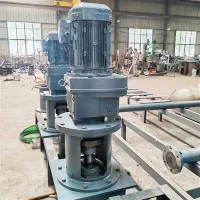
As a professional bevel gear jack supplier, I understand the importance of accurately adjusting the position of a bevel gear jack in various industrial applications. In this blog post, I will share some practical methods and tips on how to achieve precise position adjustment of bevel gear jacks.


Understanding Bevel Gear Jacks
Before diving into the adjustment methods, it's essential to have a basic understanding of bevel gear jacks. Bevel gear jacks are mechanical devices used to lift, lower, or position heavy loads with high precision. They consist of a bevel gear mechanism that converts rotational motion into linear motion, allowing for controlled movement of the load. There are different types of bevel gear jacks available, such as Bevel Gear Screw Jack, Bevel Gear Machine Screw Jack, and Bevel Gear Ball Screw Jack, each with its own unique features and advantages.
Pre - adjustment Preparations
- Inspection: Before making any adjustments, thoroughly inspect the bevel gear jack. Check for any signs of damage, wear, or misalignment in the gears, screws, and other components. Ensure that all fasteners are tightened properly to prevent any movement during operation.
- Cleaning: Clean the bevel gear jack to remove any dirt, debris, or lubricant residues. A clean jack will operate more smoothly and accurately. Use a suitable cleaning agent and a soft brush to clean the surfaces of the gears and screws.
- Lubrication: Apply the appropriate lubricant to the gears and screws as recommended by the manufacturer. Proper lubrication reduces friction, wear, and noise, and helps to ensure smooth and efficient operation of the bevel gear jack.
Methods for Accurate Position Adjustment
1. Manual Adjustment
- Using a Handwheel: Most bevel gear jacks are equipped with a handwheel. To adjust the position, simply turn the handwheel clockwise or counter - clockwise. The direction of rotation determines whether the jack will lift or lower the load. When making small adjustments, turn the handwheel slowly and carefully to achieve the desired position.
- Marking and Measuring: Mark the initial position of the load or the jack's screw. Use a measuring tool such as a ruler or a caliper to measure the distance of movement. This will help you to accurately control the amount of adjustment. For example, if you need to raise the load by a specific height, measure the distance on the screw and turn the handwheel until the desired height is reached.
2. Motor - driven Adjustment
- Variable Frequency Drives (VFDs): If the bevel gear jack is driven by an electric motor, a VFD can be used to control the speed and direction of the motor. By adjusting the frequency of the VFD, you can precisely control the rotational speed of the motor, which in turn controls the linear movement of the jack. This method allows for very accurate and smooth position adjustment, especially in applications where high precision is required.
- Encoder Feedback: An encoder can be installed on the motor shaft to provide feedback on the rotational position of the motor. The encoder sends signals to a control system, which can then accurately calculate the linear position of the jack. The control system can compare the actual position with the desired position and make corrections as needed. This closed - loop control system ensures high - precision position adjustment.
3. Hydraulic or Pneumatic Adjustment
- Hydraulic Cylinders: In some cases, bevel gear jacks can be integrated with hydraulic cylinders. The hydraulic system can be used to provide the force for movement, and the flow rate and pressure of the hydraulic fluid can be adjusted to control the speed and position of the jack. Hydraulic systems offer high force capabilities and can be precisely controlled using valves and sensors.
- Pneumatic Actuators: Pneumatic actuators can also be used to assist in the position adjustment of bevel gear jacks. Similar to hydraulic systems, the pressure and flow of compressed air can be regulated to control the movement of the jack. Pneumatic systems are relatively simple and cost - effective, but they may have slightly lower precision compared to hydraulic systems.
Tips for Ensuring Accuracy
- Repeatability Testing: After making an adjustment, test the repeatability of the position. Lower the load and then raise it back to the same position multiple times. If there are significant variations in the position, re - check the adjustment and make any necessary corrections.
- Environmental Considerations: The environment in which the bevel gear jack operates can affect its accuracy. Temperature, humidity, and vibration can all have an impact on the performance of the jack. Try to minimize the influence of these factors. For example, if the temperature is very high or low, use appropriate materials and lubricants that can withstand the temperature range.
- Calibration: Regularly calibrate the bevel gear jack to ensure its accuracy. Calibration involves comparing the actual position of the jack with a known standard. If the jack is found to be out of calibration, adjust it according to the calibration results.
Troubleshooting Common Adjustment Issues
- Inconsistent Movement: If the jack moves inconsistently, it may be due to uneven lubrication, worn gears, or a loose connection. Check the lubrication level and quality, inspect the gears for wear, and tighten all connections.
- Difficulty in Turning the Handwheel: This could be caused by a lack of lubrication, a jammed gear, or an over - tightened screw. Lubricate the gears and screws, check for any foreign objects in the gears, and adjust the screw if necessary.
- Over - adjustment or Under - adjustment: If you find that you are constantly over - adjusting or under - adjusting the position, review your adjustment method. Make sure you are using the correct measuring tools and that your control system is functioning properly.
Conclusion
Accurately adjusting the position of a bevel gear jack is crucial for the success of many industrial applications. Whether you are using manual, motor - driven, hydraulic, or pneumatic methods, following the proper procedures and taking the necessary precautions will help you to achieve high - precision position adjustment. As a bevel gear jack supplier, we are committed to providing high - quality products and technical support to our customers. If you have any questions or need further assistance in adjusting the position of bevel gear jacks, or if you are interested in purchasing our bevel gear jacks, please feel free to contact us for procurement and negotiation.
References
- Machinery's Handbook, Industrial Press Inc.
- Engineering Design of Bevel Gear Systems, John Wiley & Sons.
- Hydraulic and Pneumatic Systems: Design and Application, McGraw - Hill Education.