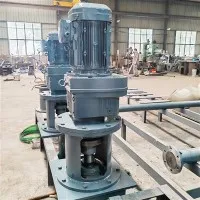
As a seasoned supplier of bevel gear jacks, I often encounter inquiries regarding the power source requirements for these versatile mechanical devices. Bevel gear jacks are widely used in various industries for lifting, lowering, and positioning heavy loads with precision. Understanding the special requirements for their power sources is crucial for ensuring optimal performance, safety, and longevity. In this blog post, I will delve into the key considerations when selecting a power source for a bevel gear jack.
Types of Bevel Gear Jacks
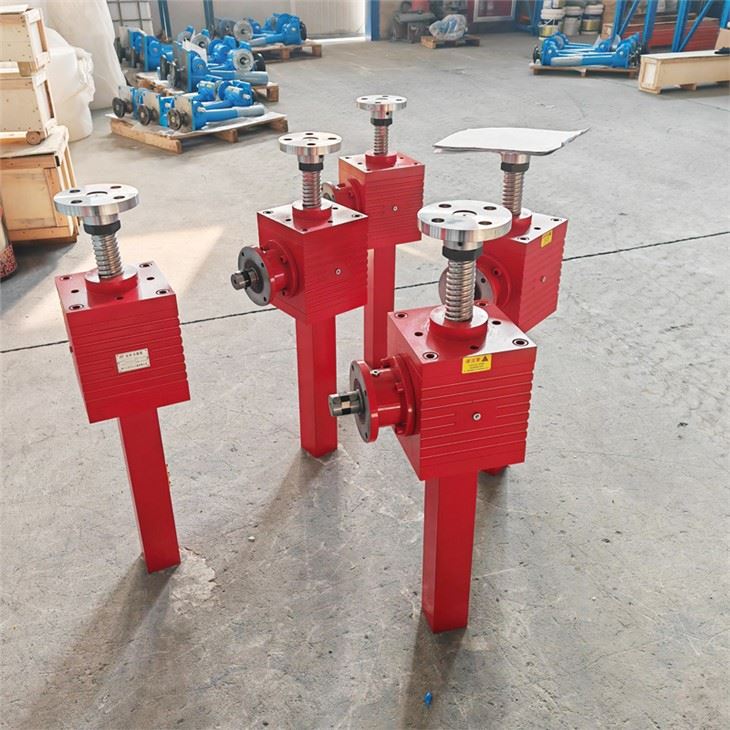
Before discussing the power source requirements, it's essential to understand the different types of bevel gear jacks available in the market. There are primarily two types: Bevel Gear Screw Jack and Bevel Gear Ball Screw Jack.
Bevel gear screw jacks use a screw mechanism to convert rotational motion into linear motion. They are known for their simplicity, durability, and ability to handle heavy loads. On the other hand, bevel gear ball screw jacks utilize a ball screw system, which offers higher efficiency, smoother operation, and greater precision compared to screw jacks. Bevel Gear Machine Rotating Screw Jack is a specific type that combines the features of bevel gears and rotating screws for unique applications.
Power Source Options
Bevel gear jacks can be powered by various sources, each with its own advantages and limitations. The most common power sources include manual, electric, hydraulic, and pneumatic.
Manual Power
Manual power is the simplest and most cost - effective option for bevel gear jacks. It involves using a handwheel or a crank to rotate the input shaft of the jack. Manual operation is suitable for applications where the load is relatively light, the adjustment frequency is low, and precision is not extremely critical. For example, in small workshops or home projects, a manual bevel gear jack can be used to lift small machinery or adjust the height of workbenches.
However, manual power has its drawbacks. It requires physical effort from the operator, which can be tiring for repetitive or heavy - load applications. Also, the speed of operation is limited by the operator's strength and endurance, making it unsuitable for applications that require rapid adjustments.

Electric Power
Electric power is one of the most popular choices for bevel gear jacks. Electric motors offer several advantages, such as high power output, precise control, and the ability to automate the operation. Electrically powered bevel gear jacks can be easily integrated into control systems, allowing for synchronized movement of multiple jacks.
When using an electric power source, several factors need to be considered. First, the voltage and frequency of the power supply must match the requirements of the electric motor. Most industrial electric motors operate at standard voltages such as 110V, 220V, or 440V, and frequencies of 50Hz or 60Hz. Second, the motor's power rating should be selected based on the load capacity and the required speed of the bevel gear jack. An under - powered motor may not be able to lift the load, while an over - powered motor can lead to unnecessary energy consumption and increased costs.
Hydraulic Power
Hydraulic power is suitable for applications that require high force and smooth operation. Hydraulic systems use a hydraulic pump to generate pressure, which is then transmitted to the bevel gear jack through hydraulic cylinders. Hydraulic bevel gear jacks can handle extremely heavy loads and provide precise control over the lifting and lowering process.
One of the main requirements for a hydraulic power source is the quality of the hydraulic fluid. The fluid must have the appropriate viscosity, lubricity, and anti - wear properties to ensure the proper functioning of the hydraulic system. Additionally, the hydraulic pump and valves need to be properly maintained to prevent leaks and ensure consistent performance.
Pneumatic Power
Pneumatic power is another option for bevel gear jacks. Pneumatic systems use compressed air to drive the jack. They are relatively clean, lightweight, and easy to install. Pneumatic bevel gear jacks are often used in applications where explosion - proof or corrosion - resistant requirements are high, such as in the chemical or food processing industries.
The main consideration for a pneumatic power source is the air pressure and flow rate. The air compressor must be able to provide sufficient pressure and flow to operate the bevel gear jack effectively. Also, the pneumatic system should be equipped with filters and regulators to ensure the quality of the compressed air and prevent damage to the jack.
Special Requirements for Different Applications
The power source requirements for bevel gear jacks can vary depending on the specific application.
High - Precision Applications
In applications that require high precision, such as in the semiconductor manufacturing or aerospace industries, electric or hydraulic power sources are often preferred. Electric motors can be controlled with high accuracy using servo or stepper motor controllers, allowing for precise positioning of the bevel gear jack. Hydraulic systems can also provide excellent precision through the use of proportional valves and feedback control.
Heavy - Load Applications
For heavy - load applications, such as in bridge construction or shipbuilding, hydraulic or electric power sources are typically used. Hydraulic systems can generate extremely high forces, making them suitable for lifting large structures. Electric motors with high power ratings can also handle heavy loads, especially when used in combination with appropriate gearboxes.
Hazardous Environments
In hazardous environments, such as mines or oil refineries, special power sources may be required. Pneumatic power is often a good choice in these situations because it is explosion - proof and does not generate sparks. In some cases, intrinsically safe electric motors can also be used, but they need to meet strict safety standards.
Conclusion
Selecting the right power source for a bevel gear jack is crucial for ensuring its optimal performance and longevity. Each power source has its own advantages and limitations, and the choice depends on factors such as the load capacity, required precision, speed of operation, and the application environment.
As a supplier of bevel gear jacks, we have extensive experience in helping our customers choose the most suitable power source for their specific needs. Whether you need a manual, electric, hydraulic, or pneumatic bevel gear jack, we can provide you with high - quality products and professional advice.
If you are interested in purchasing bevel gear jacks or have any questions about power source requirements, please feel free to contact us for further discussion. We look forward to working with you to meet your industrial needs.
References
- Machinery's Handbook, 31st Edition, Industrial Press Inc.
- Handbook of Pneumatic Controls, Parker Hannifin Corporation
- Hydraulic Systems Design and Application, Rexroth Bosch Group