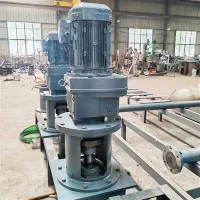
A top entry agitator is a crucial piece of equipment in various industries, used for mixing, blending, and agitating liquids, gases, and solids in large tanks or vessels. As a top entry agitator supplier, I understand the importance of using the right materials to ensure the durability, efficiency, and safety of these agitators. In this blog post, I will explore the materials commonly used to make a top entry agitator and their properties.
1. Shaft Materials
The shaft is the central component of a top entry agitator, transferring the torque from the motor to the impeller. Therefore, it needs to be strong, rigid, and resistant to corrosion and fatigue.
Stainless Steel
Stainless steel is one of the most popular materials for agitator shafts due to its excellent corrosion resistance, high strength, and good machinability. It contains chromium, which forms a passive oxide layer on the surface, protecting the steel from rust and corrosion. Different grades of stainless steel are available, such as 304 and 316. Grade 316 stainless steel, which contains molybdenum, offers better corrosion resistance in harsh environments, including those with high chloride concentrations.
Carbon Steel
Carbon steel is a cost - effective option for shaft construction. It has high strength and good toughness, making it suitable for heavy - duty applications. However, it is more prone to corrosion compared to stainless steel. To protect carbon steel shafts, they are often coated with a protective layer, such as epoxy or zinc. This coating acts as a barrier between the steel and the corrosive environment.
Alloy Steel
Alloy steel can be used when high strength and specific mechanical properties are required. By adding elements such as nickel, chromium, and manganese, the strength, hardness, and toughness of the steel can be enhanced. Alloy steel shafts are commonly used in applications where the agitator is subject to high - torque loads and severe operating conditions.
2. Impeller Materials
The impeller is responsible for generating the flow and mixing action within the tank. It needs to be made of materials that can withstand the forces exerted during operation and resist wear and corrosion.
Stainless Steel
Similar to the shaft, stainless steel is widely used for impellers. Its corrosion resistance makes it suitable for applications in industries such as food and beverage, pharmaceuticals, and chemical processing. The smooth surface of stainless steel also helps to prevent the build - up of materials on the impeller, ensuring efficient mixing.
Fiberglass - Reinforced Plastic (FRP)
FRP impellers are lightweight, corrosion - resistant, and have good chemical resistance. They are often used in applications where the agitator is exposed to corrosive chemicals or in environments where weight is a concern. FRP impellers can be molded into complex shapes, allowing for optimized mixing performance.
Cast Iron
Cast iron impellers are known for their high wear resistance and strength. They are commonly used in applications where the agitator is mixing abrasive materials or in heavy - duty industrial processes. However, cast iron is more prone to corrosion compared to stainless steel, so proper coatings or linings may be required.
3. Gearbox and Motor Housing Materials
The gearbox and motor housing protect the internal components of the agitator and provide support for the shaft and impeller.
Cast Iron
Cast iron is a common material for gearbox and motor housings due to its high strength, good vibration damping properties, and excellent heat dissipation. It can withstand the heavy loads and stresses associated with the operation of the agitator.
Aluminum
Aluminum is a lightweight alternative to cast iron. It has good corrosion resistance and is easy to machine. Aluminum housings are often used in applications where weight reduction is important, such as in portable or small - scale agitators.
4. Seal Materials
Seals are essential to prevent leakage of the process fluid from the tank and to protect the internal components of the agitator from contamination.
Viton
Viton is a synthetic rubber with excellent resistance to high temperatures, oils, fuels, and many chemicals. It is commonly used in seals for top entry agitators in chemical processing, oil and gas, and automotive industries.
EPDM
Ethylene - propylene - diene monomer (EPDM) is a versatile rubber material with good resistance to water, steam, and many mild chemicals. It is often used in seals for applications in the food and beverage, water treatment, and HVAC industries.
Teflon (PTFE)
Polytetrafluoroethylene (PTFE), commonly known as Teflon, has excellent chemical resistance and a low coefficient of friction. It is used in seals where high - performance sealing is required, especially in applications involving aggressive chemicals or high - temperature fluids.
5. Bearing Materials
Bearings support the shaft and allow it to rotate smoothly. They need to be made of materials that can withstand the radial and axial loads and have low friction.


Ball Bearings
Ball bearings are made of steel balls and raceways. They are commonly used in top entry agitators due to their low friction and high - speed capabilities. The steel used in ball bearings is usually high - quality chrome steel, which has good hardness and wear resistance.
Sleeve Bearings
Sleeve bearings, also known as bushings, are made of materials such as bronze, brass, or polymer. They are suitable for applications with lower speeds and heavier loads. Bronze sleeve bearings have good wear resistance and can operate in lubricated or non - lubricated conditions.
6. Structural Frame Materials
The structural frame provides support for the entire agitator assembly and needs to be strong and stable.
Carbon Steel
Carbon steel frames are commonly used due to their high strength and low cost. They can be fabricated into various shapes and sizes to fit different tank configurations. To protect against corrosion, carbon steel frames are often painted or galvanized.
Stainless Steel
Stainless steel frames offer the advantage of corrosion resistance, making them suitable for applications in corrosive environments. They are more expensive than carbon steel frames but provide long - term durability.
In conclusion, the choice of materials for a top entry agitator depends on various factors, including the application requirements, the properties of the process fluid, the operating conditions, and the budget. As a top entry agitator supplier, we carefully select the materials for each component to ensure that our agitators meet the highest standards of quality, performance, and reliability.
If you are in need of a top entry agitator or have any questions about the materials used in their construction, please feel free to [initiate a contact with us for a detailed discussion and procurement negotiation]. We are committed to providing you with the best solutions for your mixing needs.
For more information on other types of mixers, you can visit our websites:
References
- Green, D. W., & Perry, R. H. (2007). Perry's Chemical Engineers' Handbook. McGraw - Hill.
- Diaz, R. (2019). Mixing in the Process Industries. Butterworth - Heinemann.
- Myers, R. J. (2012). Handbook of Chemical Engineering Calculations. McGraw - Hill.