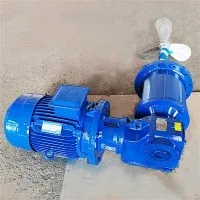
Installing a chemical agitator in a hazardous area is no walk in the park. As a chemical agitator supplier, I've seen firsthand the challenges and the importance of getting it right. In this blog, I'll share some tips and steps on how to safely and effectively install a chemical agitator in a hazardous area.
Understanding the Hazardous Area
First things first, you need to understand the nature of the hazardous area. Hazardous areas are classified based on the likelihood of the presence of flammable gases, vapors, or dust. These classifications help in determining the appropriate safety measures and equipment requirements. For instance, areas with a high probability of flammable substances require more stringent safety features on the agitator.
There are different types of chemical agitators that might be suitable for various applications in hazardous areas. For example, the Desulfurization Agitator is great for desulfurization processes, which are often carried out in industrial settings where there could be potential hazards. The Paddle Agitator is another option, useful for gentle mixing in certain chemical reactions. And if you're dealing with dissolving processes, the Dissolving Kettle Agitator might be your go - to choice.
Pre - installation Checks
Before you even start the installation process, there are a bunch of checks you need to do.
Equipment Inspection
Inspect the agitator thoroughly. Check for any physical damage during shipping. Make sure all the components are present and in good condition. Look at the motor, shaft, impellers, and any control systems. A damaged component can not only lead to poor performance but also pose a safety risk in a hazardous area.
Site Assessment
The site where you'll install the agitator is crucial. Check the floor for stability. It should be able to support the weight of the agitator and any associated equipment. Also, look at the space around the installation area. There should be enough room for maintenance and emergency access. Ensure that there are no sources of ignition nearby, and that the ventilation in the area is adequate to disperse any potentially flammable gases or dust.
Electrical System Review
If the agitator is electrically powered, review the electrical system. The electrical connections need to be suitable for the hazardous area classification. This might involve using explosion - proof electrical components. Check the voltage requirements of the agitator and make sure the power supply can meet them.
Installation Steps
Once you've completed the pre - installation checks, it's time to start the actual installation.
Mounting the Agitator
First, mount the agitator on the vessel or tank. Use the appropriate mounting hardware provided with the agitator. Make sure it is level and securely fastened. A wobbly agitator can cause uneven mixing and might even damage the vessel over time.
Shaft and Impeller Installation
Install the shaft and impellers carefully. Align the shaft properly to avoid any misalignment, which can lead to excessive vibration and premature wear of the components. Tighten all the bolts and connections according to the manufacturer's specifications.
Electrical and Control System Installation
Connect the electrical wires following the wiring diagram provided. If there are any control systems, install them and configure them correctly. Test the control systems to ensure they are functioning as expected. This includes setting the speed, direction, and any other parameters of the agitator.
Sealing and Gasketing
Proper sealing is essential in a hazardous area. Use high - quality gaskets and seals to prevent any leakage of chemicals. Leakage can not only contaminate the area but also create a fire or explosion hazard if the chemicals are flammable.
Post - installation Testing
After the installation is complete, you need to do some testing.
Functionality Test
Run the agitator at a low speed first to check its functionality. Listen for any unusual noises, which could indicate a problem with the installation. Check the rotation of the impellers and make sure they are mixing the contents of the vessel as intended.
Safety System Test
Test all the safety systems associated with the agitator. This includes emergency stop buttons, over - temperature sensors, and any other safety features. Make sure they are working properly and can be easily accessed in case of an emergency.
Leak Test
Conduct a leak test to ensure there are no leaks in the system. Check all the connections, seals, and the vessel itself. Even a small leak can be a big problem in a hazardous area.
Maintenance and Monitoring
Once the agitator is up and running, regular maintenance and monitoring are a must.
Regular Inspections
Schedule regular inspections of the agitator. Check the components for wear and tear, and replace any parts that are showing signs of damage. This can prevent breakdowns and ensure the long - term safety and performance of the agitator.
Lubrication
If there are any moving parts that require lubrication, make sure to do it according to the manufacturer's recommendations. Proper lubrication reduces friction and extends the life of the components.


Monitoring of Operating Conditions
Keep an eye on the operating conditions of the agitator, such as temperature, speed, and power consumption. Any significant changes in these parameters could indicate a problem that needs to be addressed.
Conclusion
Installing a chemical agitator in a hazardous area is a complex process, but by following these steps, you can ensure a safe and effective installation. As a chemical agitator supplier, I'm here to help you every step of the way. Whether you need advice on choosing the right agitator for your hazardous area, or assistance with the installation process, don't hesitate to reach out. Contact us for more information and to start a procurement discussion. We're committed to providing you with high - quality agitators and the support you need to keep your operations running smoothly.
References
- Industrial Safety Handbook for Chemical Processing Plants
- Agitator Manufacturer's Installation and Operation Manuals