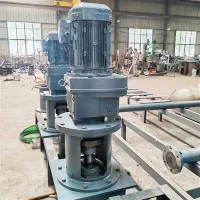
Side entry mixers are a crucial piece of equipment in various industries, from chemical processing to wastewater treatment. They're designed to be installed on the side of a tank, and they can efficiently mix large volumes of liquids or slurries. One of the most important components of a side entry mixer is the impeller. The impeller is the part that actually does the mixing, creating the flow patterns that move the contents of the tank around. So, what kind of impellers are used in side entry mixers? Let's dive in and take a closer look.
Propeller Impellers
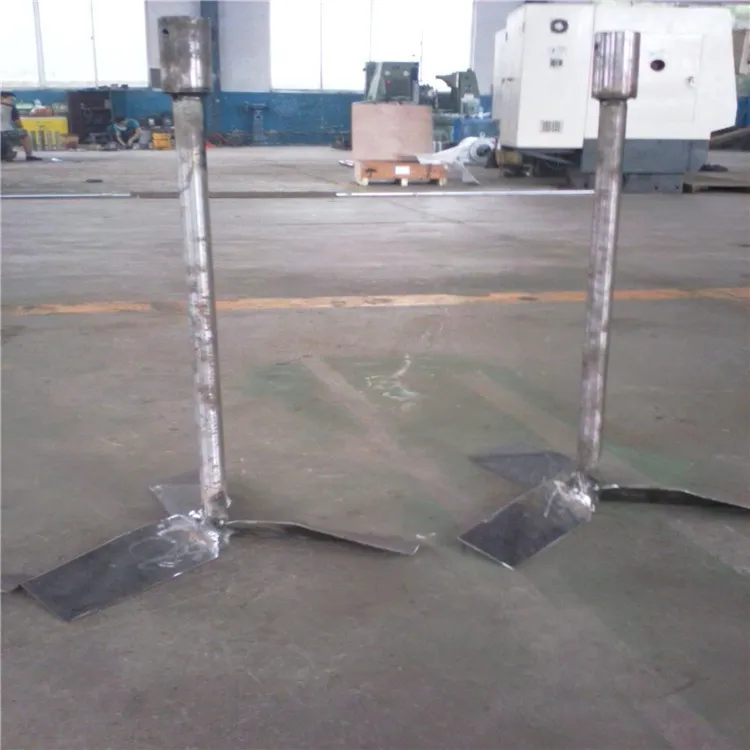
Propeller impellers are one of the most common types used in side entry mixers. They're simple in design, usually consisting of three or four blades attached to a central hub. These impellers work by creating a high-velocity axial flow, which means the fluid is pushed in a straight line along the axis of the impeller.
The advantage of propeller impellers is that they're highly efficient at creating a lot of flow with relatively low power consumption. This makes them ideal for applications where you need to mix large volumes of low-viscosity fluids, like water or thin chemicals. For example, in a water treatment plant, propeller impellers can quickly and effectively mix chemicals into the water to disinfect it or adjust its pH levels.
If you're interested in learning more about propeller impellers, you can check out this Propeller Agitator page. It has more detailed information about how these impellers work and their applications.
Paddle Impellers
Paddle impellers are another type that you'll often see in side entry mixers. They have flat, rectangular blades that are attached to the hub at a right angle. Unlike propeller impellers, paddle impellers create a mainly radial flow, which means the fluid is pushed outwards from the center of the impeller.
Paddle impellers are great for applications where you need to gently mix fluids or solids in a tank. They're often used in industries like food and beverage, where you don't want to damage delicate ingredients. For instance, in a brewery, paddle impellers can be used to mix the wort (unfermented beer) without over-agitating it and causing excessive foaming.
Turbine Impellers
Turbine impellers are a bit more complex than propeller or paddle impellers. They come in different shapes and sizes, but they generally have multiple blades that are curved or angled. Turbine impellers can create both axial and radial flow, depending on their design.
There are two main types of turbine impellers: open turbines and closed turbines. Open turbines are more commonly used in side entry mixers. They're effective at creating a high degree of turbulence, which is great for mixing high-viscosity fluids or for applications where you need to disperse solids evenly in a liquid. For example, in a chemical reactor, a turbine impeller can ensure that all the reactants are thoroughly mixed, leading to a more efficient chemical reaction.
If you're involved in chemical processing, you might want to check out this Chemical Reactor Agitator page. It provides more in-depth information about how turbine impellers are used in chemical reactors.
Anchor Impellers
Anchor impellers are designed with a shape that resembles an anchor. They have a large, flat blade that runs along the bottom and sides of the tank. Anchor impellers are mainly used for mixing highly viscous fluids or for applications where you need to prevent the formation of a stagnant layer at the bottom of the tank.
In industries like paint manufacturing, where the paint has a high viscosity, anchor impellers can ensure that the pigments and other additives are evenly distributed throughout the paint. They also help to scrape the sides and bottom of the tank, preventing the build-up of material and ensuring a consistent product.
Choosing the Right Impeller for Your Side Entry Mixer
When it comes to choosing the right impeller for your side entry mixer, there are several factors to consider. The viscosity of the fluid you're mixing is one of the most important factors. As we've seen, propeller impellers are great for low-viscosity fluids, while turbine and anchor impellers are better suited for high-viscosity fluids.
The size and shape of the tank also matter. A larger tank might require an impeller that can create a more widespread flow pattern, like a propeller or turbine impeller. The type of process you're using the mixer for is another factor. For example, if you're doing a chemical reaction, you'll need an impeller that can ensure thorough mixing of the reactants.
At our company, we've been in the side entry mixer business for a long time. We've helped countless customers choose the right impellers for their specific applications. Whether you're in the chemical industry, food and beverage, or wastewater treatment, we have the expertise to find the perfect impeller for your side entry mixer.
Applications in Different Industries
Side entry mixers with different impellers are used in a wide range of industries. In the chemical industry, as mentioned earlier, they're used for mixing reactants in chemical reactors, dispersing additives in polymers, and blending different chemicals. The ability to choose the right impeller ensures that the chemical processes are efficient and the products are of high quality.
In the food and beverage industry, side entry mixers are used for mixing ingredients in large tanks. For example, in a dairy plant, they can be used to mix milk with flavors and stabilizers. The gentle mixing provided by paddle impellers is crucial to maintain the quality and taste of the products.
In the wastewater treatment industry, side entry mixers are used to mix chemicals with the wastewater to remove pollutants. Propeller impellers are often used here because they can quickly and effectively mix the chemicals with the large volumes of water.

Customization and Maintenance
One of the great things about side entry mixers is that they can be customized to fit your specific needs. We can design and manufacture impellers with different sizes, shapes, and materials to meet your requirements. For example, if you're dealing with corrosive chemicals, we can use stainless steel or other corrosion-resistant materials for the impeller.
Maintenance is also an important aspect of using side entry mixers. Regular inspection and cleaning of the impellers can ensure their optimal performance. We can provide you with guidelines on how to maintain your side entry mixer and its impellers to extend their lifespan.
Why Choose Our Side Entry Mixers and Impellers
We're not just another side entry mixer supplier. We have a team of experts who understand the ins and outs of impellers and side entry mixers. We use state-of-the-art manufacturing techniques to produce high-quality impellers that are durable and efficient.
Our commitment to customer satisfaction means that we'll work closely with you to understand your needs and provide you with the best solutions. Whether you need a single side entry mixer or a whole system for your plant, we've got you covered.
If you're in the market for a side entry mixer or need to replace the impellers in your existing mixer, don't hesitate to get in touch with us. We're here to help you make the right choice and ensure that your mixing processes run smoothly.
In addition to the common types of impellers we've discussed, there are also some specialized impellers that can be used in side entry mixers for specific applications. For example, in some industries where you need to mix slurries with a high concentration of solids, a Stainless Steel Sewage Mixer with a specialized impeller might be the best option. These impellers are designed to handle the abrasive nature of the solids and prevent clogging.
So, if you're looking for a side entry mixer and need advice on the right impeller, or if you have any questions about our products, feel free to reach out. We're always happy to have a chat and help you find the perfect solution for your mixing needs.
References
- Perry, R. H., & Green, D. W. (1997). Perry's Chemical Engineers' Handbook. McGraw-Hill.
- Coulson, J. M., & Richardson, J. F. (1999). Chemical Engineering Volume 1 - Fluid Flow, Heat Transfer and Mass Transfer. Butterworth-Heinemann.