

Hey there! As a supplier of Side Entry Mixers, I often get asked about the starting torque of these nifty machines. So, let's dive right in and break it down.
First off, what exactly is starting torque? Well, think of it as the muscle power needed to get the mixer up and running. When you hit that start button, the motor has to overcome a whole bunch of resistance to get the impeller spinning. This resistance comes from a few different places.
One major factor is the viscosity of the fluid you're mixing. If you're dealing with a thick, gooey substance like honey or heavy oil, it's going to take a lot more force to get the mixer moving compared to a thin liquid like water. It's like trying to stir a bowl of molasses versus a glass of lemonade – way more effort needed for the molasses!
Another thing that affects starting torque is the size and design of the impeller. A larger impeller has more surface area, which means it has to push through more fluid. This creates more resistance, so the motor needs to have enough oomph to turn it. And different impeller designs can also impact the starting torque. For example, a pitched blade impeller might require more torque to start compared to a flat blade impeller because of the way it interacts with the fluid.
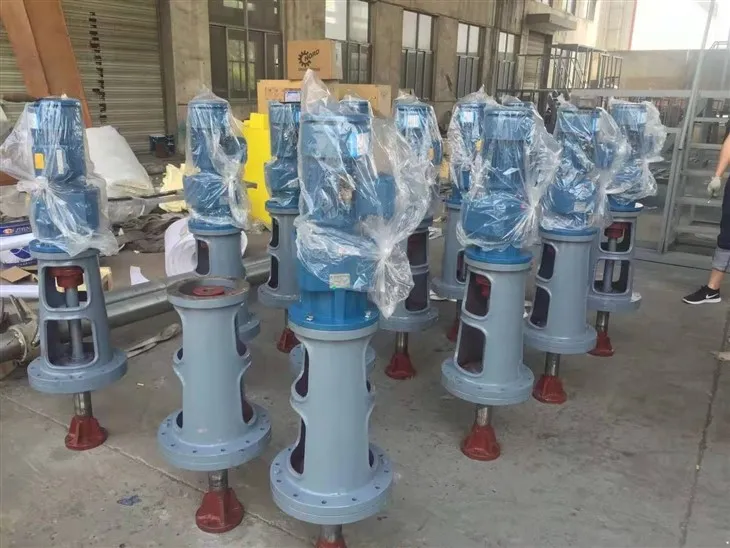

The shape and size of the mixing tank also play a role. If the tank is small and the impeller is close to the walls, there's less room for the fluid to move around. This can increase the resistance and make it harder for the mixer to start. On the other hand, a large tank with plenty of space allows the fluid to flow more freely, reducing the starting torque requirements.
Now, why is starting torque so important? Well, if your mixer doesn't have enough starting torque, it might not be able to get going at all. Or, it could struggle to reach its full operating speed, which can lead to inefficient mixing. This can be a real problem in industrial applications where you need to mix large volumes of fluid quickly and evenly.
As a Side Entry Mixer supplier, we understand the importance of getting the starting torque right. That's why we offer a range of mixers with different motor sizes and impeller designs to suit various applications. Whether you're mixing thin liquids in a small tank or thick slurries in a large industrial vessel, we've got you covered.
Let's talk about some of the applications where Side Entry Mixers are commonly used. One of the most popular uses is in the oil and gas industry. In oil storage tanks, Side Entry Mixers are used to prevent the settling of solids and to keep the oil well-mixed. The starting torque is crucial in these applications because the oil can be quite viscous, especially at lower temperatures.
Another common application is in the chemical industry. Chemical processes often require precise mixing of different substances, and Side Entry Mixers are a great choice for this. They can be used in reactors, storage tanks, and other vessels to ensure that the chemicals are thoroughly mixed. Again, the starting torque needs to be sufficient to handle the specific viscosity and volume of the chemicals being mixed.
If you're in the market for a Side Entry Mixer, it's important to consider the starting torque requirements of your application. You can always reach out to us, and our team of experts can help you choose the right mixer for your needs. We have a wide range of products, including Vertical Turbine Agitator, Sewage Treatment Mixer, and Submersible Mixer.
When you're evaluating different mixers, make sure to look at the manufacturer's specifications for starting torque. This will give you an idea of whether the mixer is suitable for your application. And don't be afraid to ask questions! Our sales team is always happy to provide more information and answer any concerns you might have.
In conclusion, the starting torque of Side Entry Mixers is a critical factor that can have a big impact on their performance. By understanding the factors that affect starting torque and choosing the right mixer for your application, you can ensure efficient and effective mixing. If you're interested in learning more about our Side Entry Mixers or need help selecting the right one for your project, don't hesitate to get in touch. We're here to help you make the best choice for your mixing needs.
References
- Chemical Engineering Handbook
- Mixing Technology Textbooks
- Industry Standards and Guidelines for Mixing Equipment


