

Hey there! As a cycloidal reducer supplier, I often get asked about the power transmission efficiency of these nifty pieces of machinery. So, let's dive right in and break it down.
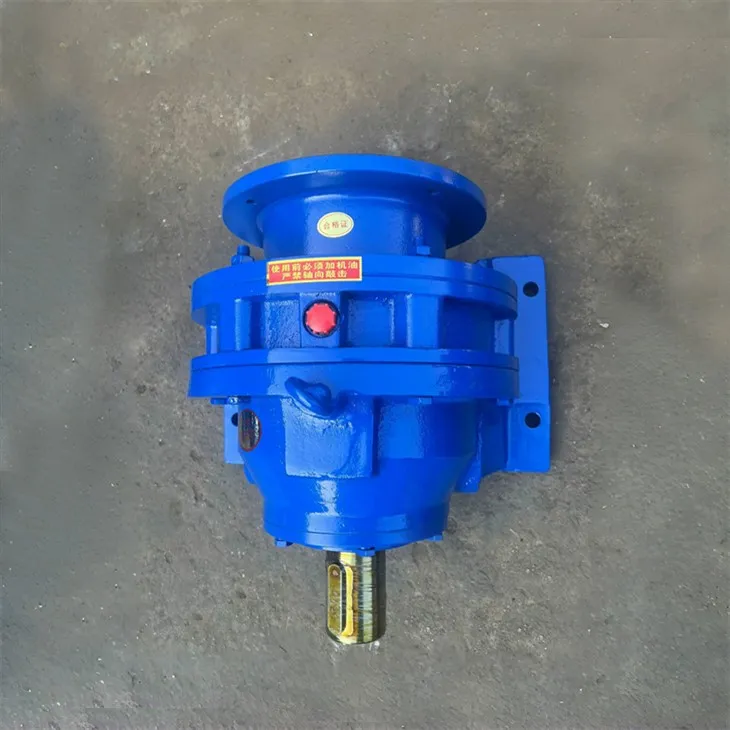
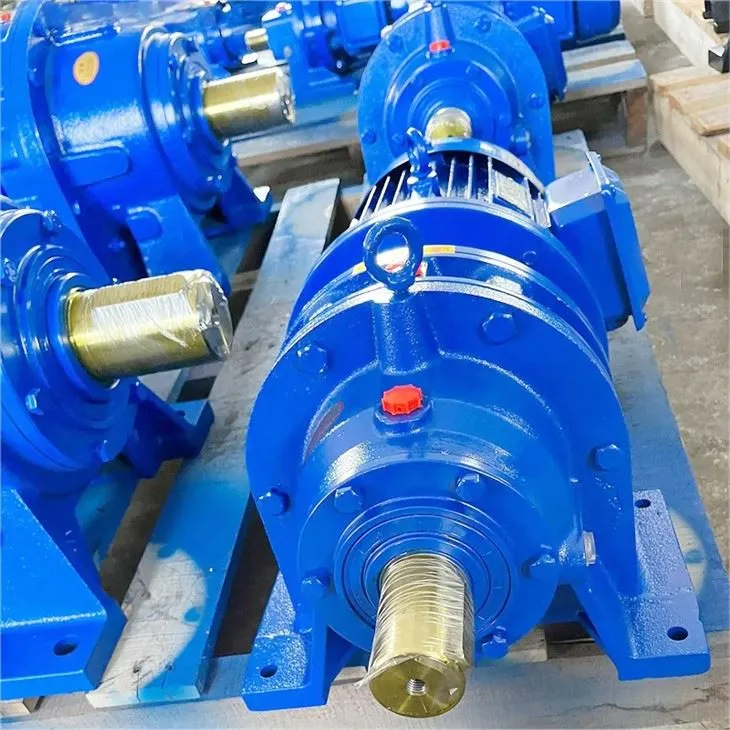
First off, what the heck is a cycloidal reducer? Well, it's a type of speed reducer that uses a unique cycloidal motion principle. Unlike some other reducers, it can achieve high reduction ratios in a compact design. There are different types out there, like the Cycloidal Pin Wheel Reducer, the Planetary Cycloidal Gear Speed Reducer, and the XWD Series Cycloidal Gear Reducer. Each has its own features and applications, but they all share the basic concept of using cycloidal motion to reduce speed and increase torque.
Now, let's talk about power transmission efficiency. In simple terms, it's the ratio of the output power to the input power of a reducer. A high - efficiency reducer means less power is wasted as heat or other forms of energy loss, and more of the input power is actually transferred to the output shaft.
One of the key factors that affects the power transmission efficiency of a cycloidal reducer is the meshing characteristics of its components. The cycloidal disc and the pins or rollers that interact with it need to have a smooth and precise meshing. When this meshing is good, there's less friction, and thus less power loss. For example, if the cycloidal disc has a high - quality surface finish and the pins are accurately positioned, the energy transfer between them is more efficient.
Another factor is the lubrication. Proper lubrication is crucial for reducing friction and wear in a cycloidal reducer. A good lubricant forms a thin film between the moving parts, preventing direct metal - to - metal contact. This not only reduces friction but also helps in dissipating heat. If the lubrication is insufficient or the wrong type of lubricant is used, the friction will increase, and the power transmission efficiency will drop.
The load on the reducer also plays a big role. At light loads, the power transmission efficiency of a cycloidal reducer might be relatively low because a significant portion of the input power is used to overcome the internal friction of the moving parts. As the load increases, the efficiency usually improves up to a certain point. However, if the load is too high, it can cause excessive deformation of the components, leading to increased friction and a decrease in efficiency again.
The speed of operation is yet another factor. Generally, cycloidal reducers can maintain a relatively high efficiency over a wide range of speeds. But at extremely high speeds, there can be issues like increased centrifugal forces and aerodynamic drag, which can reduce the efficiency. On the other hand, at very low speeds, the start - up friction can be a problem, affecting the overall efficiency.
Let's take a look at some typical efficiency values. In well - designed and properly maintained cycloidal reducers, the power transmission efficiency can range from about 85% to 95%. This is actually quite good compared to some other types of reducers. For example, some worm gear reducers might have an efficiency in the range of 50% - 80%, depending on the design and operating conditions.
The high efficiency of cycloidal reducers makes them a popular choice in many applications. In industrial automation, they are used in conveyor systems, robotic arms, and packaging machinery. Their ability to handle high torques with relatively small sizes and high efficiency means that they can save energy and reduce operating costs in these applications. In the automotive industry, cycloidal reducers can be found in electric vehicles, especially in the drivetrains, where energy efficiency is of utmost importance.
So, how can we ensure that a cycloidal reducer maintains a high power transmission efficiency? First, during the manufacturing process, strict quality control measures should be in place. This includes accurate machining of the components, proper heat treatment to enhance their mechanical properties, and precise assembly. Second, regular maintenance is essential. This involves checking the lubricant level and quality, inspecting the components for wear and damage, and making any necessary adjustments.
If you're in the market for a cycloidal reducer, it's important to consider the power transmission efficiency along with other factors like the required reduction ratio, torque capacity, and size. You want a reducer that not only meets your performance requirements but also helps you save on energy costs in the long run.
As a cycloidal reducer supplier, we've put a lot of effort into improving the power transmission efficiency of our products. We use advanced manufacturing techniques to ensure the highest quality of our components, and we offer comprehensive after - sales support to help our customers maintain their reducers properly.
If you're interested in learning more about our cycloidal reducers or have any questions about power transmission efficiency, don't hesitate to reach out. Whether you're involved in an industrial project, an automotive application, or any other field that requires reliable speed reduction, we're here to help. We can provide you with detailed product information, technical specifications, and even customized solutions based on your specific needs. Let's have a chat and see how we can work together to meet your requirements.
In conclusion, the power transmission efficiency of a cycloidal reducer is influenced by many factors, including meshing characteristics, lubrication, load, and speed. By understanding these factors and taking appropriate measures, we can ensure that these reducers operate at a high level of efficiency. And if you're in the market for a cycloidal reducer, we're here to offer you the best products and support.
References
- "Mechanical Design Handbook"
- Industry research reports on cycloidal reducers


