

What is the maximum altitude at which an electric screw jack can be used?
As a supplier of electric screw jacks, we often receive inquiries about the performance and limitations of our products under various conditions. One question that comes up frequently is about the maximum altitude at which an electric screw jack can be used effectively. In this blog post, we will explore the factors that affect the altitude performance of electric screw jacks and attempt to provide a clear answer to this important question.
Understanding the Basics of Electric Screw Jacks
Before delving into the altitude issue, it's essential to understand how electric screw jacks work. Electric screw jacks are mechanical devices used to convert rotational motion into linear motion. They consist of a screw, a nut, and a housing. The screw is driven by an electric motor, which causes the nut to move along the screw, resulting in linear displacement. This simple yet effective mechanism makes electric screw jacks popular in various applications, such as industrial automation, automotive, and construction.
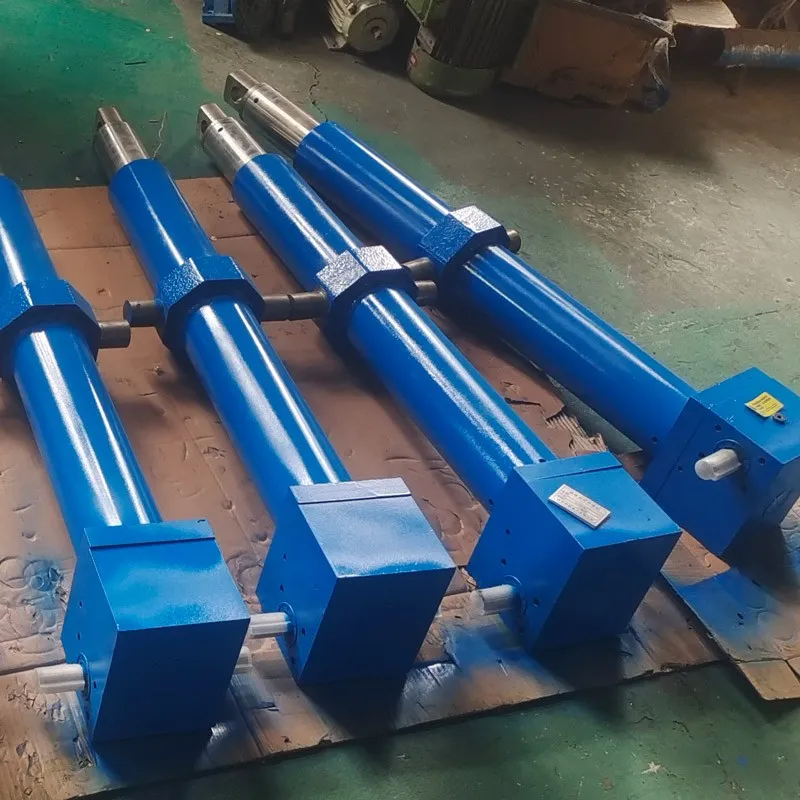
We offer a range of electric screw jacks, including the Cubic Screw Jack, Screw Jack System, and JTB Electric Screw Jack. Each of these products is designed to meet different load capacities and performance requirements.
Factors Affecting Altitude Performance
Several factors come into play when considering the maximum altitude at which an electric screw jack can operate. These factors can be broadly categorized into three main areas: environmental factors, electrical factors, and mechanical factors.
Environmental Factors
- Air Density: As altitude increases, air density decreases. This reduction in air density can affect the cooling of the electric motor. Electric motors generate heat during operation, and the surrounding air helps dissipate this heat. At higher altitudes, the thinner air is less effective at carrying away heat, which can cause the motor to overheat. Overheating can lead to a decrease in motor efficiency and, in extreme cases, motor failure.
- Temperature: Temperature also varies with altitude. Generally, the temperature drops as altitude increases. Cold temperatures can affect the lubricants used in the screw jack. Lubricants become more viscous in cold conditions, which can increase friction and wear in the moving parts of the screw jack. Additionally, low temperatures can affect the performance of the electrical components, such as reducing battery performance if the electric screw jack is battery-powered.
- Humidity and Weather Conditions: High altitudes are often associated with harsher weather conditions, including high humidity, snow, and strong winds. Moisture can cause corrosion of the metal parts of the screw jack, while snow and ice can accumulate on the jack, affecting its operation. Strong winds can also put additional stress on the screw jack, especially if it is used in an exposed location.
Electrical Factors
- Voltage Drop: At higher altitudes, the electrical resistance of the conductors can increase due to the lower air density. This can result in a voltage drop between the power source and the electric motor of the screw jack. A significant voltage drop can cause the motor to operate at a lower speed or with reduced torque, affecting the performance of the screw jack.
- Electrical Insulation: The decrease in air density at high altitudes can also affect the electrical insulation properties of the motor and other electrical components. In extreme cases, electrical arcing can occur, which can damage the components and pose a safety hazard.
Mechanical Factors
- Load Capacity: The load capacity of a screw jack can be affected by altitude. The reduced air density can lead to a decrease in the lubrication efficiency of the moving parts, which can increase friction. This increased friction can reduce the overall load capacity of the screw jack. Additionally, the changes in temperature and humidity can affect the mechanical properties of the materials used in the screw jack, such as the strength and durability of the screws and nuts.
- Vibration and Stability: High - altitude locations may be more prone to seismic activity or strong winds, which can cause vibrations. These vibrations can affect the stability of the screw jack and its ability to maintain accurate positioning. Vibration can also lead to increased wear and tear on the moving parts, reducing the lifespan of the screw jack.
Determining the Maximum Altitude
There is no one - size - fits - all answer to the question of the maximum altitude at which an electric screw jack can be used. The maximum altitude depends on several factors, including the specific model of the screw jack, the environmental conditions at the site, and the application requirements.
For our standard electric screw jacks, we generally recommend not using them at altitudes above 2000 meters (6562 feet) under normal operating conditions. However, for applications where the environmental conditions are well - controlled, such as in an enclosed industrial setting at high altitudes, the safe operating altitude may be higher.
In cases where the screw jack needs to be used at higher altitudes, several modifications can be made to improve its performance. For example, a more powerful cooling system can be installed to counteract the reduced cooling effect of the thin air. Special lubricants can be used that are designed to perform well in cold temperatures. Additionally, the electrical system can be upgraded to compensate for the voltage drop and improve the electrical insulation.
Case Studies
Let's look at a few case studies to illustrate the impact of altitude on electric screw jack performance.
Case Study 1: A Construction Project at High Altitude
A construction project was underway in a mountainous region at an altitude of approximately 3000 meters (9843 feet). The contractor initially used a standard electric screw jack for lifting heavy building materials. However, they soon noticed that the motor was overheating and the screw jack was not able to lift the full load capacity. After consulting with us, we recommended a modified screw jack with a more powerful cooling system and high - performance lubricants. The modified screw jack was able to operate effectively at the high altitude, improving the efficiency of the construction project.
Case Study 2: Industrial Automation in a High - Altitude Factory
An industrial factory located at an altitude of 2500 meters (8202 feet) was using electric screw jacks in its automation system. The voltage drop in the electrical system was causing the screw jacks to operate at a slower speed. We helped the factory upgrade its electrical system by installing larger conductors and voltage regulators. This modification improved the performance of the screw jacks, ensuring that the automation system could operate smoothly.
Contact Us for Your Electric Screw Jack Needs
If you are considering using an electric screw jack in a high - altitude application, or if you have any questions about the performance of our products under specific conditions, we are here to help. Our team of experts can provide you with detailed information and guidance on selecting the right electric screw jack for your project. We can also offer customization options to ensure that our products meet your unique requirements.
Whether you are interested in the Cubic Screw Jack, Screw Jack System, or JTB Electric Screw Jack, we can work with you to find the best solution. Contact us today to start the conversation about your electric screw jack procurement.

References
- "Mechanical Design Handbook", by Robert C. Juvinall and Kurt M. Marshek
- "Electric Motors and Drives: Fundamentals, Types and Applications", by Austin Hughes and Bill Drury


