

As a supplier of cycloidal reducers, I've received numerous inquiries about the suitability of our products in chemical - processing environments. This blog aims to explore the potential of cycloidal reducers in such challenging settings, considering various factors such as chemical resistance, durability, and performance.
Understanding Cycloidal Reducers
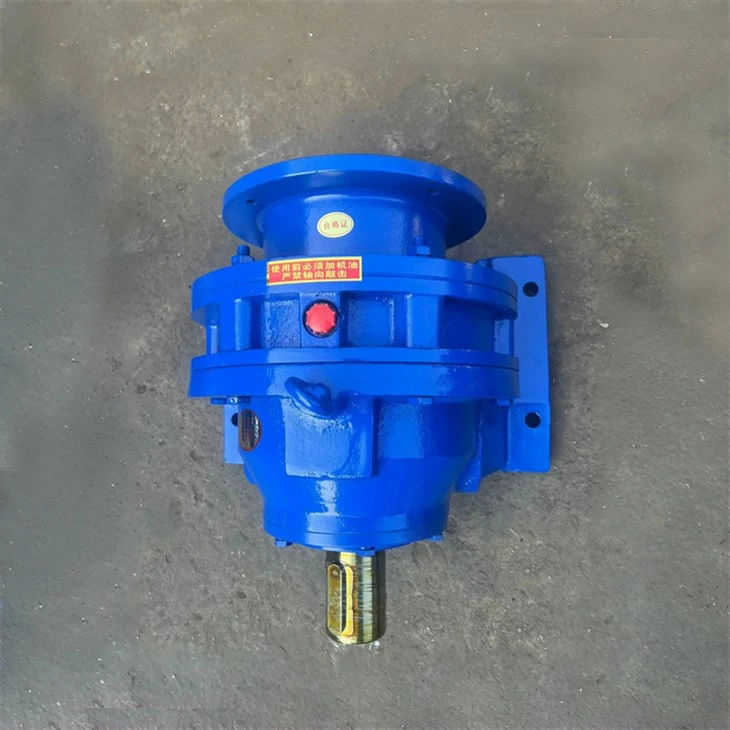
Before delving into their application in chemical - processing environments, let's first understand what cycloidal reducers are. A cycloidal reducer is a type of speed - reducing device that operates on the principle of cycloidal motion. It consists of a cycloidal disc, input shaft, output shaft, and a series of pins or rollers. The unique design of cycloidal reducers offers several advantages, including high torque capacity, compact size, and smooth operation.
There are different types of cycloidal reducers available in the market, such as the Planetary Cycloidal Reducer, Planetary Cycloidal Gear Speed Reducer, and Cycloidal Pin Gear Speed Reducer. Each type has its own characteristics and is suitable for different applications.
Chemical - Processing Environments: Challenges and Requirements
Chemical - processing environments are characterized by the presence of various chemicals, high temperatures, and sometimes high pressures. These conditions pose significant challenges to the equipment used in these settings.
Chemical Resistance
Chemicals used in the chemical - processing industry can be highly corrosive. Acids, alkalis, solvents, and other reactive substances can attack the materials of the reducer, leading to corrosion, pitting, and ultimately, failure of the equipment. Therefore, the materials used in the construction of the cycloidal reducer must have excellent chemical resistance.
Temperature and Pressure
Many chemical - processing operations involve high temperatures and pressures. High temperatures can cause thermal expansion, which may affect the clearances within the reducer and lead to increased wear and tear. High pressures can also put additional stress on the components of the reducer.
Hygiene and Cleanliness
In some chemical - processing applications, especially those related to food, pharmaceuticals, or cosmetics, hygiene and cleanliness are of utmost importance. The reducer should be easy to clean and resistant to the build - up of contaminants.
Suitability of Cycloidal Reducers in Chemical - Processing Environments
Chemical Resistance
One of the key factors in determining the suitability of a cycloidal reducer in a chemical - processing environment is its chemical resistance. Our cycloidal reducers are available with a variety of material options. For example, some components can be made of stainless steel, which offers good resistance to many common chemicals. Special coatings can also be applied to further enhance the chemical resistance of the reducer.
However, it's important to note that the chemical resistance of the reducer depends on the specific chemicals it will be exposed to. Different chemicals have different levels of corrosiveness, and a thorough analysis of the chemical environment is necessary before selecting a cycloidal reducer.
Durability and Reliability
Cycloidal reducers are known for their durability and reliability. Their unique design distributes the load evenly across multiple contact points, reducing the stress on individual components. This makes them less prone to wear and tear, even in demanding environments.
In chemical - processing environments, where the equipment may be subject to continuous operation and harsh conditions, the durability of the cycloidal reducer is a significant advantage. It can help reduce downtime and maintenance costs, ensuring the smooth operation of the chemical - processing plant.
Performance
The performance of a cycloidal reducer is also crucial in chemical - processing applications. These reducers offer high torque transmission capabilities, which are often required in chemical - processing equipment such as mixers, pumps, and conveyors.
They also provide smooth and precise speed control, which is essential for maintaining the quality and consistency of the chemical - processing operations. The low backlash of cycloidal reducers ensures accurate positioning and reduces the risk of over - or under - mixing of chemicals.
Case Studies
To illustrate the effectiveness of cycloidal reducers in chemical - processing environments, let's look at some real - world case studies.
Case Study 1: Chemical Mixing
A chemical manufacturing company was using a traditional gear reducer in their chemical mixing process. The reducer was experiencing frequent breakdowns due to the corrosive nature of the chemicals and the high torque requirements of the mixer. After switching to our cycloidal reducer, the company noticed a significant improvement in the reliability of the mixing process. The stainless - steel components of the cycloidal reducer were able to withstand the corrosive chemicals, and the high - torque capacity ensured smooth and efficient mixing.
Case Study 2: Pumping Application
In a chemical pumping application, a cycloidal reducer was installed to drive a pump. The pump needed to operate continuously at a constant speed to maintain the flow of chemicals. The cycloidal reducer's smooth operation and precise speed control helped to ensure a stable flow rate, improving the overall efficiency of the chemical - pumping system.
Considerations for Selection
When selecting a cycloidal reducer for a chemical - processing environment, the following considerations should be taken into account:
Chemical Compatibility
As mentioned earlier, a detailed analysis of the chemical environment is necessary. The reducer should be compatible with all the chemicals it will come into contact with. Consult with our technical experts to determine the most suitable material and coating options for your specific application.
Temperature and Pressure Ratings
Ensure that the cycloidal reducer has the appropriate temperature and pressure ratings for the chemical - processing operation. High - temperature and high - pressure applications may require special designs or materials.

Maintenance Requirements
Consider the maintenance requirements of the cycloidal reducer. Some reducers may require more frequent maintenance in a chemical - processing environment. Look for a reducer that is easy to maintain and has readily available spare parts.
Conclusion
In conclusion, cycloidal reducers can be a viable option for chemical - processing environments. Their chemical resistance, durability, reliability, and performance make them suitable for a wide range of chemical - processing applications. However, careful consideration of the specific chemical environment, temperature, pressure, and other factors is necessary before selecting a cycloidal reducer.
If you are in the chemical - processing industry and are looking for a reliable and efficient speed - reducing solution, we invite you to contact us for more information. Our team of experts can help you select the most suitable cycloidal reducer for your specific application and provide you with the support you need throughout the procurement and installation process.
References
- "Handbook of Chemical Engineering Equipment", John Wiley & Sons
- "Mechanical Design for Chemical Engineers", Cambridge University Press
- Industry reports on chemical - processing equipment and cycloidal reducers.


